
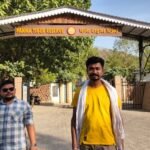

| Quick Facts: Tungnath Trek at a Glance Location: Chopta, Rudraprayag, Uttarakhand | Start Point: Chopta (2,680m) | Tungnath Temple: 3,680m | Chandrashila Summit: 4,000m | Trek Distance: 3.5 km (Chopta to Tungnath) + 1.5 km to Chandrashila | Difficulty: Easy to Moderate | Best Time: April-June, September-November | Duration: 1 day trek, 2-3 days total trip | Cost from Chandigarh: Rs 2,800 – 3,000 per person |
How It All Started: 17 Friends, One Mountain Dream
There are trips you plan, and then there are trips that plan you. Our Tungnath trek from Chandigarh was somewhere in between — months of group chats, shared spreadsheets, and excited voice notes from 17 people all trying to agree on dates. We were a beautiful chaos: college buddies from my university years mixed with colleagues from our SEO agency, each one bringing their own energy, snacks, and opinions on the best route.
I’m Kiran Lata, and I live in Zirakpur, just a stone’s throw from Chandigarh. I’ve been trekking for a few years now — Churdhar, Naina Devi, Vaishno Devi have all tested my legs and fed my soul. But Tungnath was different. This was the world’s highest Shiva temple, perched at 3,680 metres, and we were going as a proper crew of 17. Planning took months, with shared bookings for transport, stays, and activities- because when you travel in a group this size, smooth logistics are everything.
The Route: Chandigarh to Chopta via Devprayag (Overnight Drive)
We left Chandigarh at 8 PM in a booked tempo traveller, the kind that fits your entire friend group and all their overpacked bags. Our route took us through NH-344 past Ambala, then into Dehradun, and onwards through Devprayag, Rudraprayag, and Ukhimath before reaching Chopta base by early morning. It’s an overnight journey of roughly 400 km, and doing it by night means you arrive fresh and lose no trekking time.
| Pro Route Tip Always double-check your navigation. En route, we once took a wrong turn toward a different ‘Tungnath’ location and lost almost 2 extra hours. Use Google Maps and confirm with locals at Ukhimath that you are on the correct road to Chopta. |
Devprayag: The Spiritual Stop That Changed the Mood
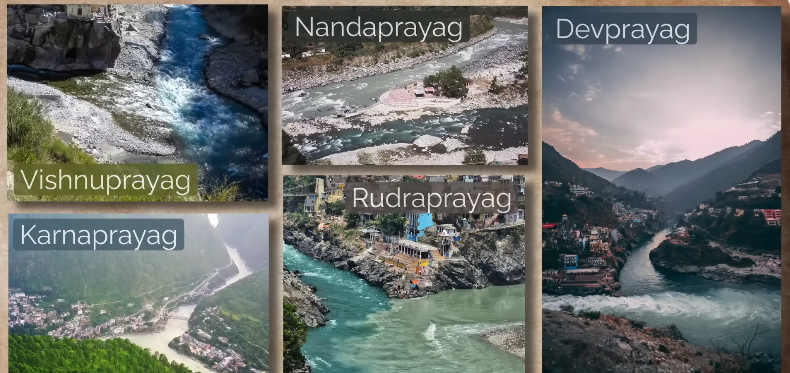
One of the most unexpectedly moving moments of our entire trip happened not at the summit, but at Devprayag — a small town about 4 hours from Rishikesh. This is where the white, rushing Alaknanda river meets the emerald-green Bhagirathi, and together they form the holy Ganga. We stopped here for about an hour, and it was worth every minute.
Standing at the sangam (confluence), watching two rivers of completely different colours blend into one, with pilgrims chanting and temple bells ringing in the background- it was the kind of moment that quietly washes away every bit of travel fatigue. We offered prayers, took photos, and soaked in the energy of the place. If you are driving from Chandigarh to Chopta, do not skip Devprayag. It sets a beautiful, spiritual tone for the entire trek ahead.
After Devprayag, the road winds dramatically alongside rushing rivers with valley views that kept all 17 of us glued to the windows. We also made a quick stop at Dhari Dev Temple, a hidden gem perched on a hillside with panoramic views and a serenely calming energy. The mountain roads are stunning but demanding – steep hairpin bends, narrow stretches, and sudden valley drops make for a thrilling drive, especially at dawn.
Arriving at Chopta: The ‘Mini Switzerland’ of Uttarakhand
We reached Chopta base in the early morning hours, just as the mountains were revealing themselves through the lifting mist. Chopta sits at around 2,680 metres and is known for its sweeping meadows and dense forests of oak, burans (rhododendron), and spruce. Even before the trek begins, the views make you feel like you’ve earned something just by arriving.
We stayed at a local hotel in Chopta at around Rs 1,800 per night. The accommodation is simple, clean, and functional – exactly what you need before an early morning trek. I’d recommend booking in advance, especially if you’re travelling in a larger group during May, as Chopta fills up quickly.
The Chopta to Tungnath Trek: Distance, Trail & What to Expect
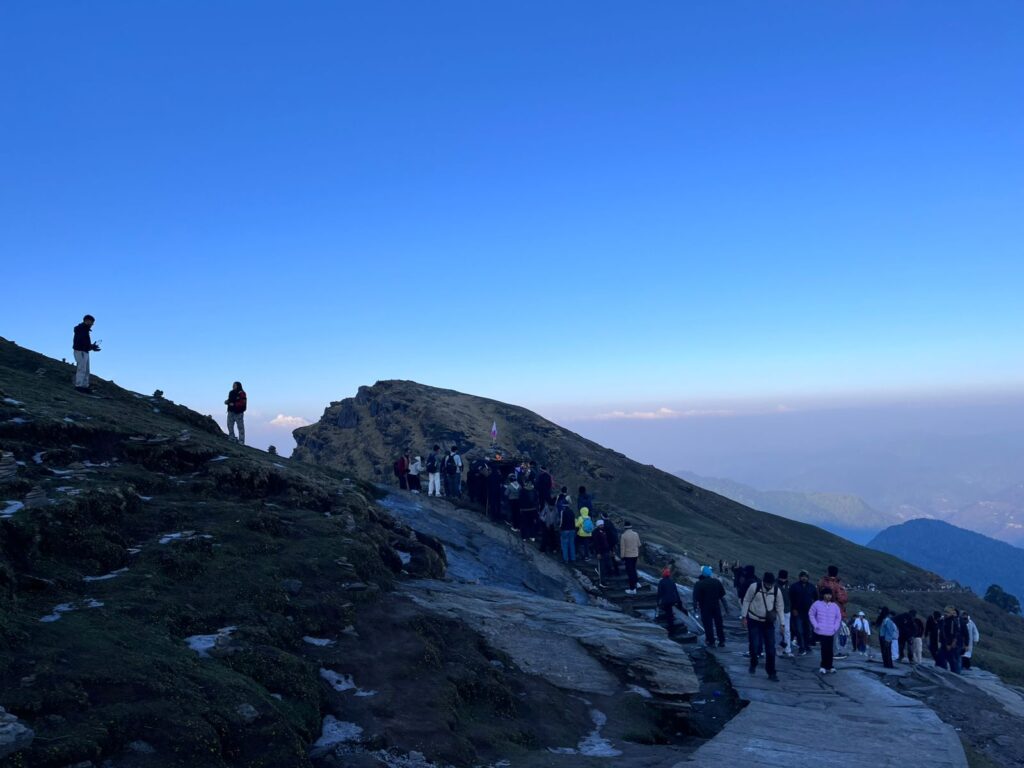
The Tungnath trek distance from Chopta is 3.5 km one way, gaining approximately 1,000 metres in altitude. The trail starts gently – a forested dirt path through dense rhododendron and oak woods that smells of earth and pine. But don’t let the beginning fool you.
After the midway point, the trail turns rocky and considerably steeper with loose stones and gravel that demand careful footing. Open alpine meadows start appearing, and with them come those epic, wide-angle Himalayan views that make every aching step feel completely worth it. When we did it in May, there was no snow on the main trail — just chilly, crisp winds and the kind of blue sky that doesn’t exist at lower altitudes.
Our group of 17 took about 2.5 to 3 hours to reach the temple. A reasonably fit person can do it in under 2 hours. Take your time, breathe, and stop often – both for rest and for the views.
| Trek Facts: Chopta to Tungnath Distance: 3.5 km one way | Altitude Gain: approx 1,000m | Time: 1.5 to 3 hours depending on fitness | Trail Type: Forested path turning rocky and open | Difficulty: Easy to Moderate | Footwear: Trekking shoes with ankle support strongly recommended |
Tungnath Temple: Where the Mountains Feel Holy
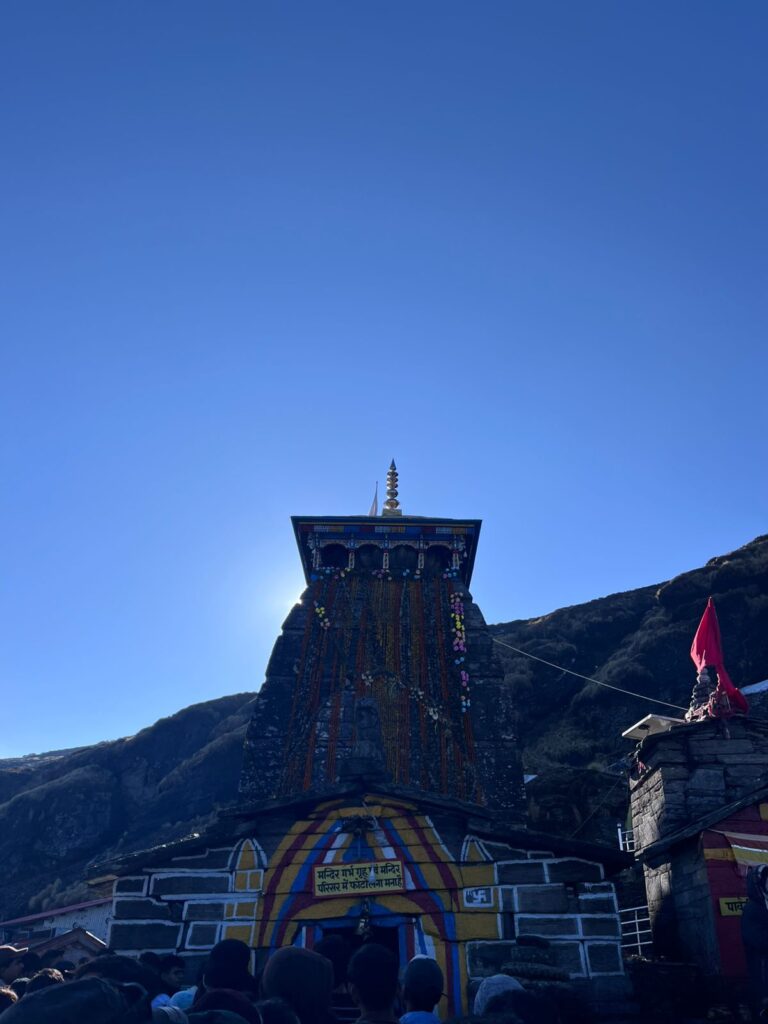
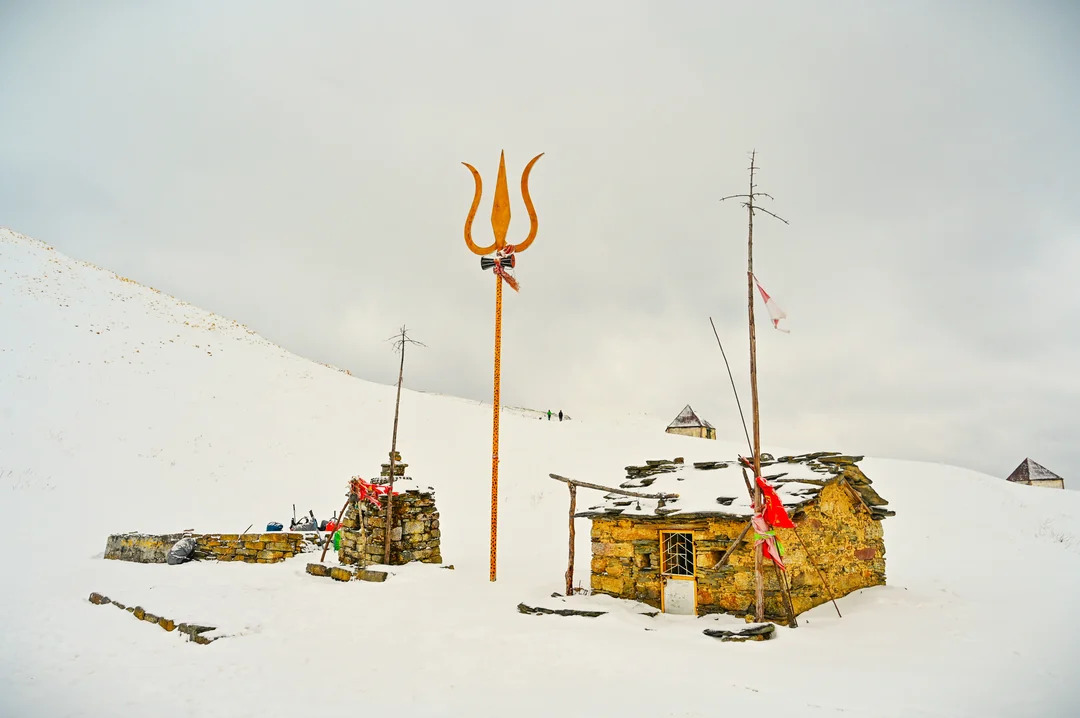
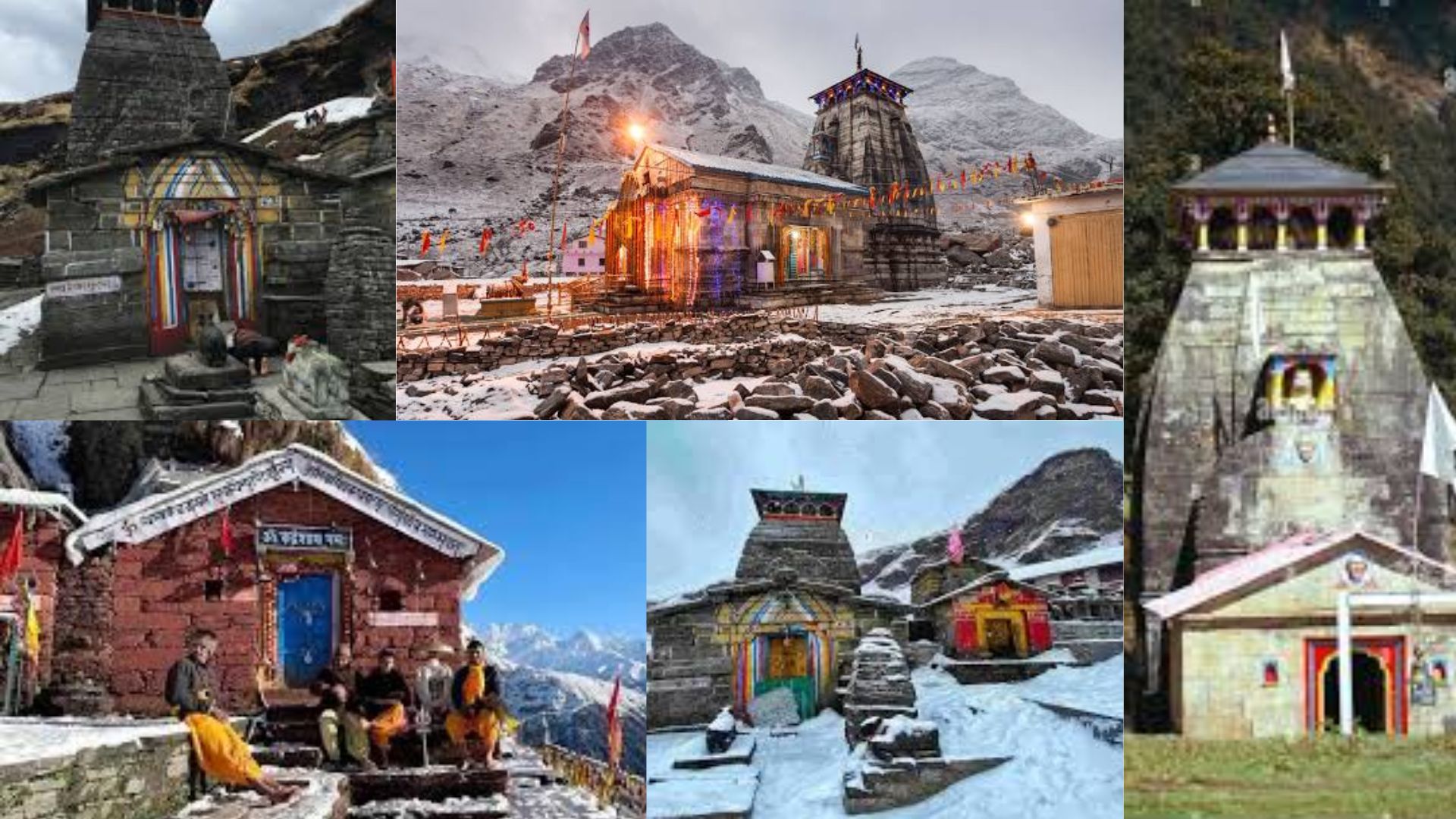
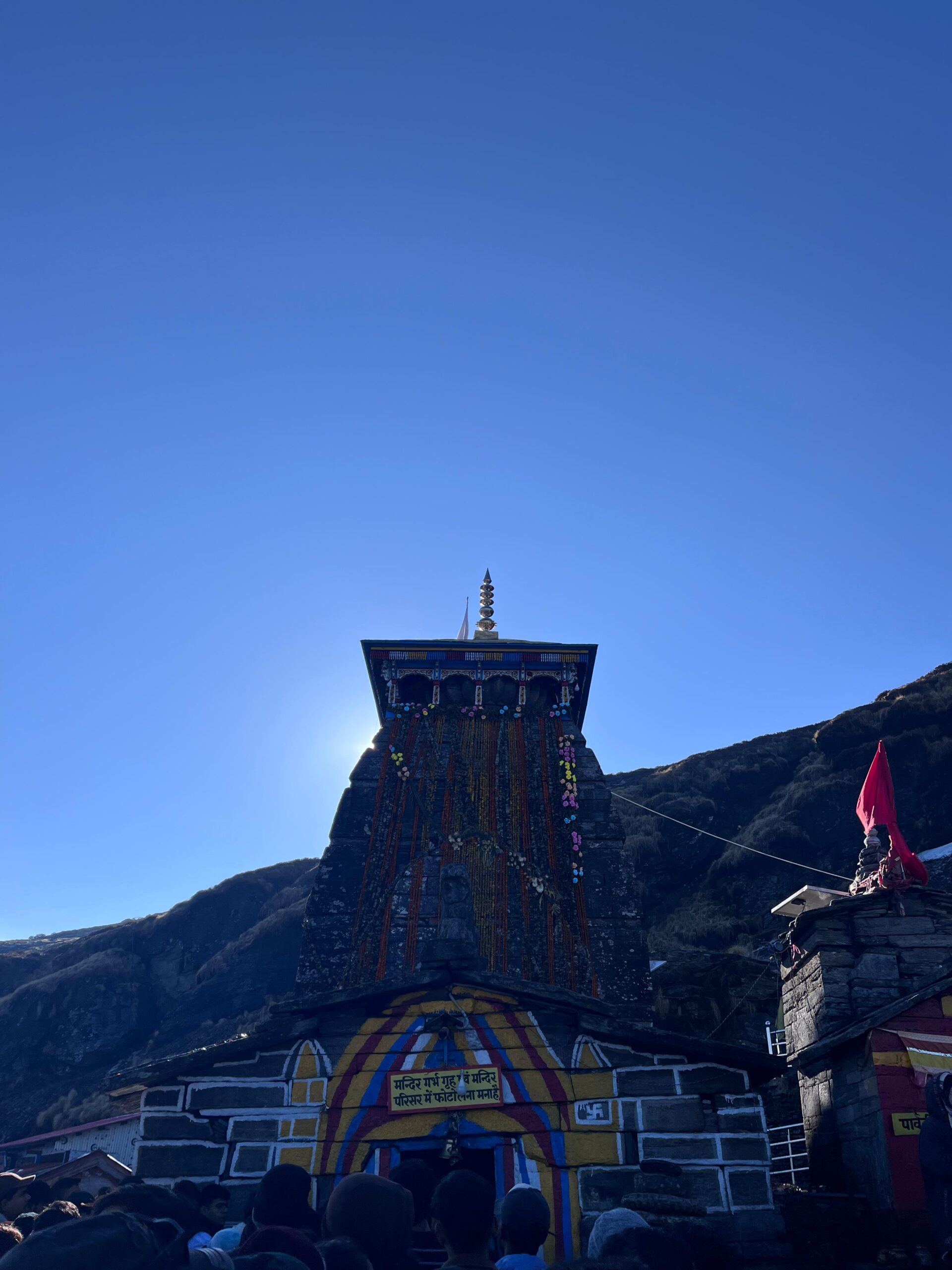
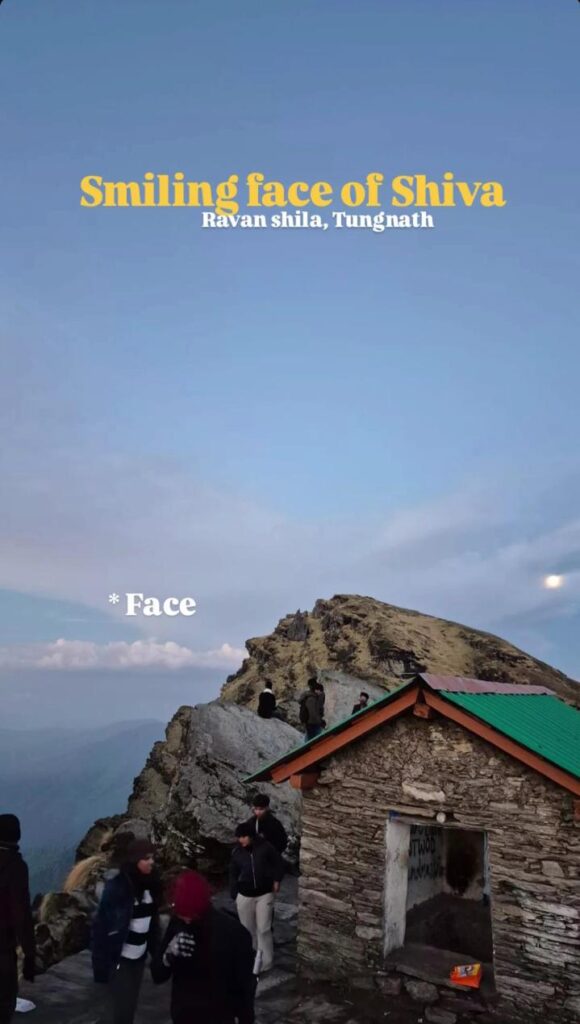
Seeing Tungnath Temple for the first time is a moment you will carry with you for years. After the effort of the climb, emerging from the trail to find these ancient stone shikharas standing quietly against a backdrop of snow-capped peaks – it genuinely felt like stepping into a divine postcard. This is the world’s highest Shiva temple at 3,680 metres, and it has been here for over a thousand years.
The temple itself is modest in size – a compact stone structure with a simple sanctum, surrounded by stark alpine meadows and prayer flags fluttering in the mountain wind. There are no trees up here, just raw Himalayan drama all around. The crowd when we visited was moderate – mostly pilgrims chanting mantras softly, creating an atmosphere of peaceful devotion. We went inside and offered prayers at the Shiva lingam, standing in a silence that felt rare and precious.
Chai, Maggi & Buransh Juice: The Trail’s Unexpected Delights
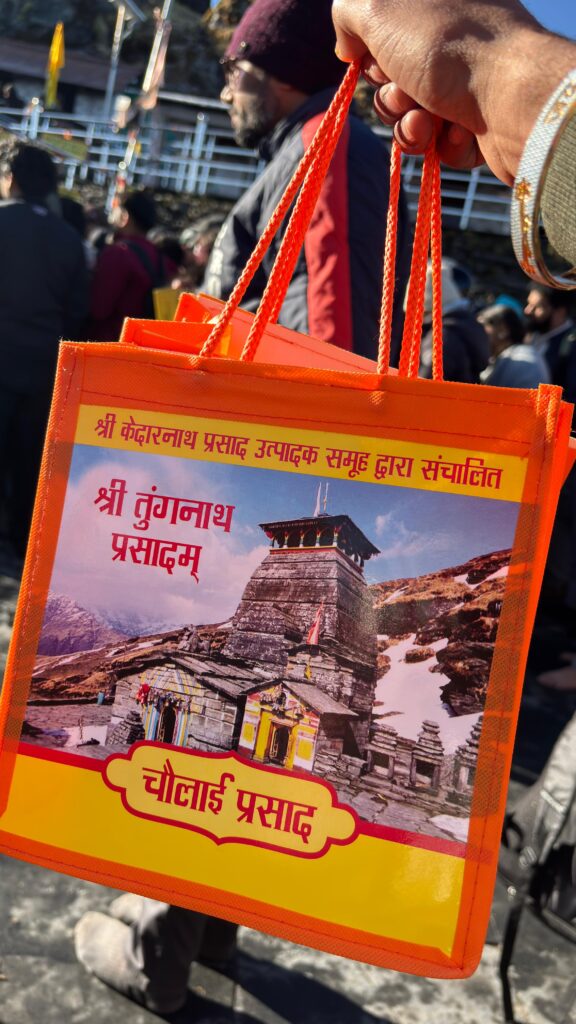
Just outside the temple, a row of small tea stalls and food dhabas makes one of the most welcome sights after a long climb. We had hot Maggi, thick parathas, steaming chai, and – my personal favourite – fresh Buransh (rhododendron flower) juice. It’s a bright pink drink, slightly sweet and tangy, made from the flowers of the very trees you walk through on the trail. It was one of those small, unexpected joys that somehow became a highlight of the whole trip.
Do not skip the food stalls near Tungnath. Sit down, rest your legs, eat something warm, and take in the view. You have earned it.
Chandrashila Summit: The View That Makes You Cry (Happily)
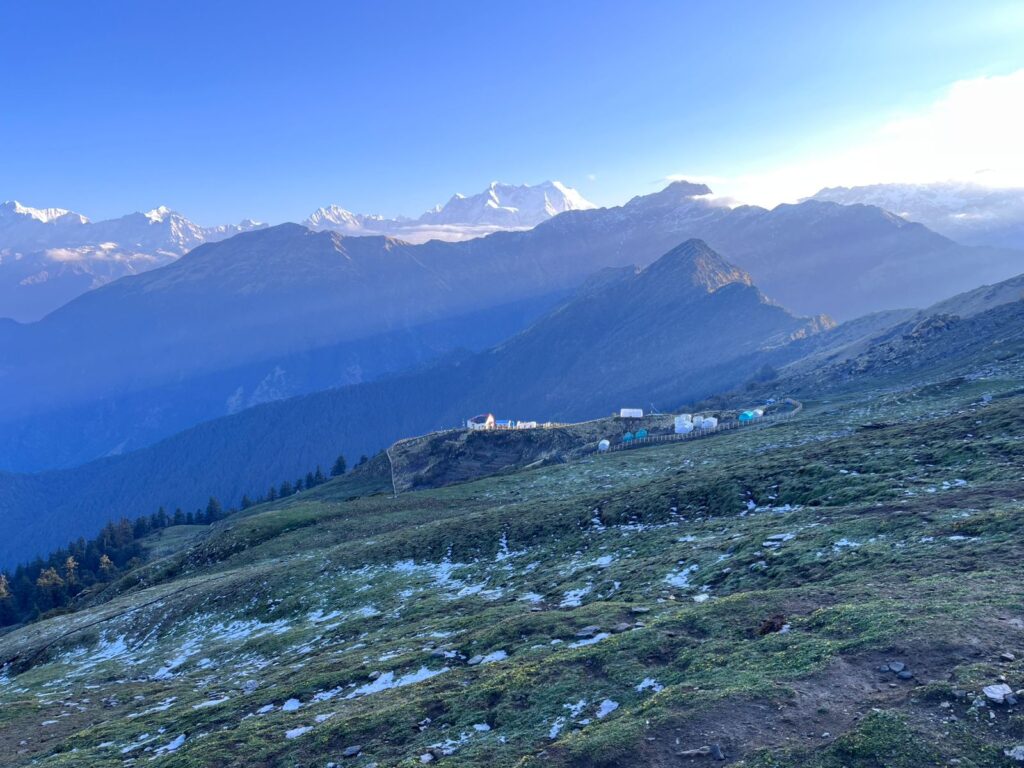
From Tungnath, the Chandrashila summit is 1.5 km further – a steeper, rockier climb that our group of 17 had to vote on. Twelve people chose to rest at Tungnath and begin the descent. Five of us kept going. And that 1.5 km changed everything.
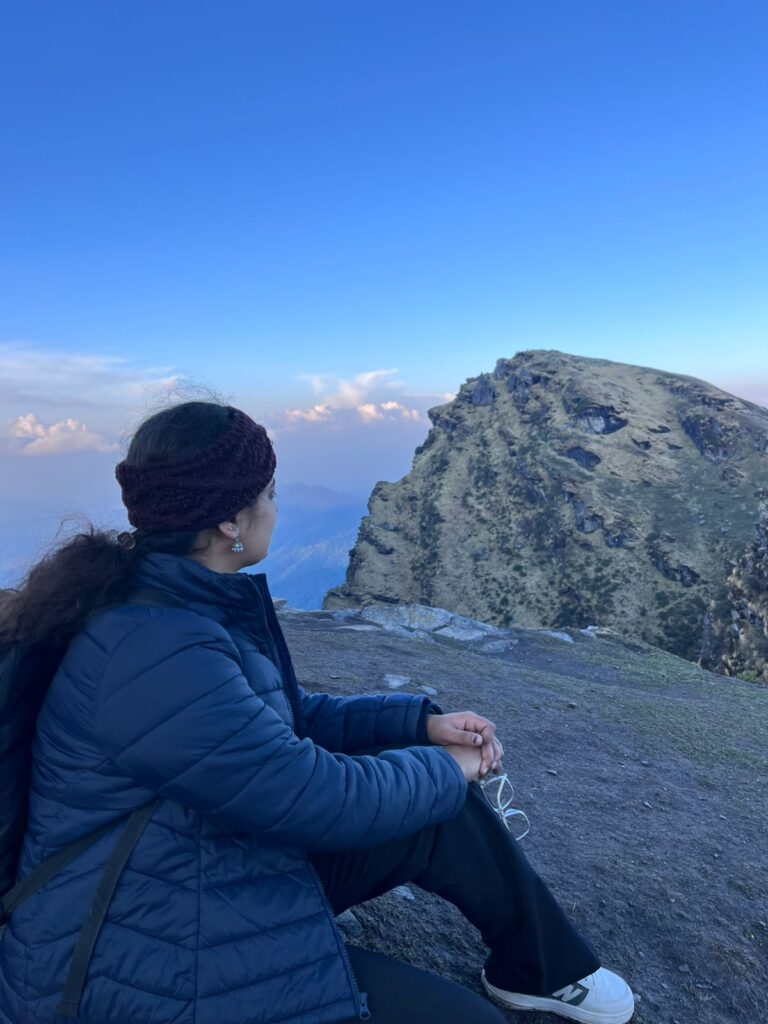
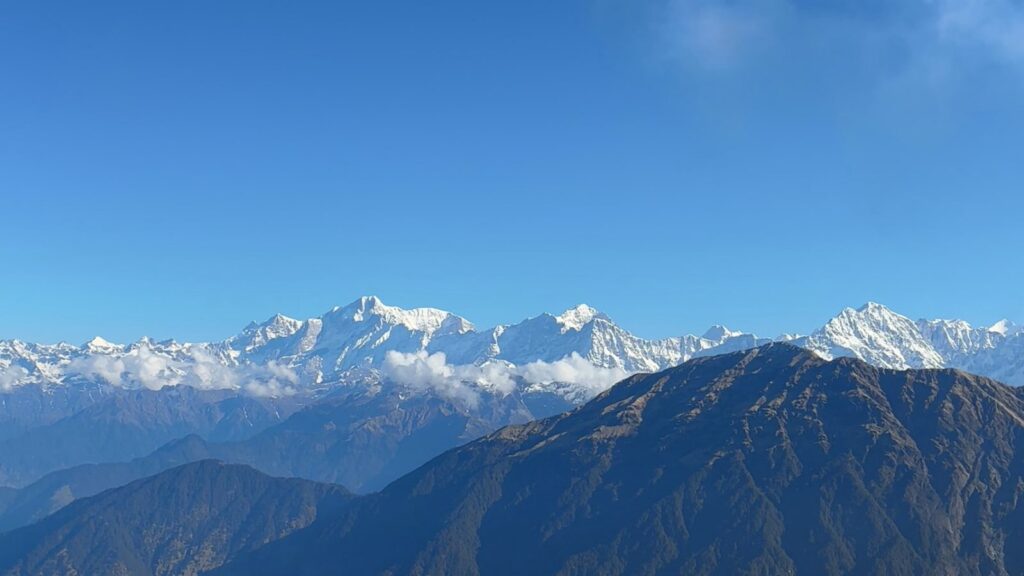
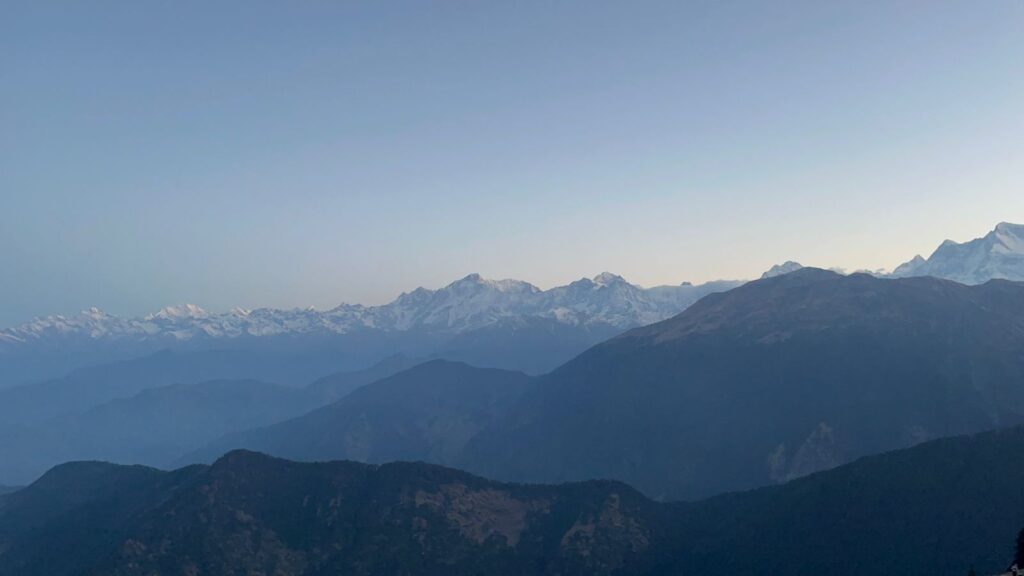
Reaching the Chandrashila summit felt surreal. There was a strong wind blowing, the kind that gets inside your jacket and reminds you exactly how high you are. And then the view. All around, as far as you could see, it was mountains and clouds and sky. Nanda Devi, Trishul, Chaukhamba, Kedarnath Dome – these legendary Himalayan peaks standing in a silent, magnificent row on the horizon. Snow-covered and glowing in the morning light. The buransh trees below, the trail we had climbed, and this immense, open sky above.
I have been asked many times what it felt like standing at the top. The closest I can get to an answer is this: peaceful. Not the quiet kind of peaceful, but the big kind – the kind that makes you feel very small and very grateful at exactly the same time.
| Chandrashila Trek Facts Distance from Tungnath: 1.5 km | Summit Altitude: approx 4,000m | Time: 45-60 minutes from Tungnath | Difficulty: Moderate to Challenging | What you can see: Nanda Devi, Trishul, Chaukhamba, Kedarnath Dome, Kedar Peak | Our tip: Go early – clouds often gather by mid-morning |
The Descent & Journey Back
We returned from Chandrashila to Tungnath, regrouped with our friends who had been resting, and began the descent together. The trail back to Chopta took about 1.5 to 2 hours. On the descent, take it slow – the rocky sections can be slippery, especially if there has been morning dew. Trekking poles help significantly with knee pressure on the downhill stretches.
We were back at Chopta base by around 9:00 AM, had a hearty breakfast, and began our return journey toward Chandigarh. One unexpected challenge: heavy traffic on the mountain roads added almost 3 to 4 hours to our return journey, which exhausted everyone considerably. Always check traffic and road conditions, especially on weekends and holidays when these routes are packed.
| Descent Tip Wear proper trekking shoes with ankle support. The rocky sections are steep on the way down. Carry a knee support bandage if you have weak knees – the downhill puts significant pressure on joints. Trekking poles are highly recommended. |
Best Time to Do the Tungnath Trek (From Someone Who Actually Went)
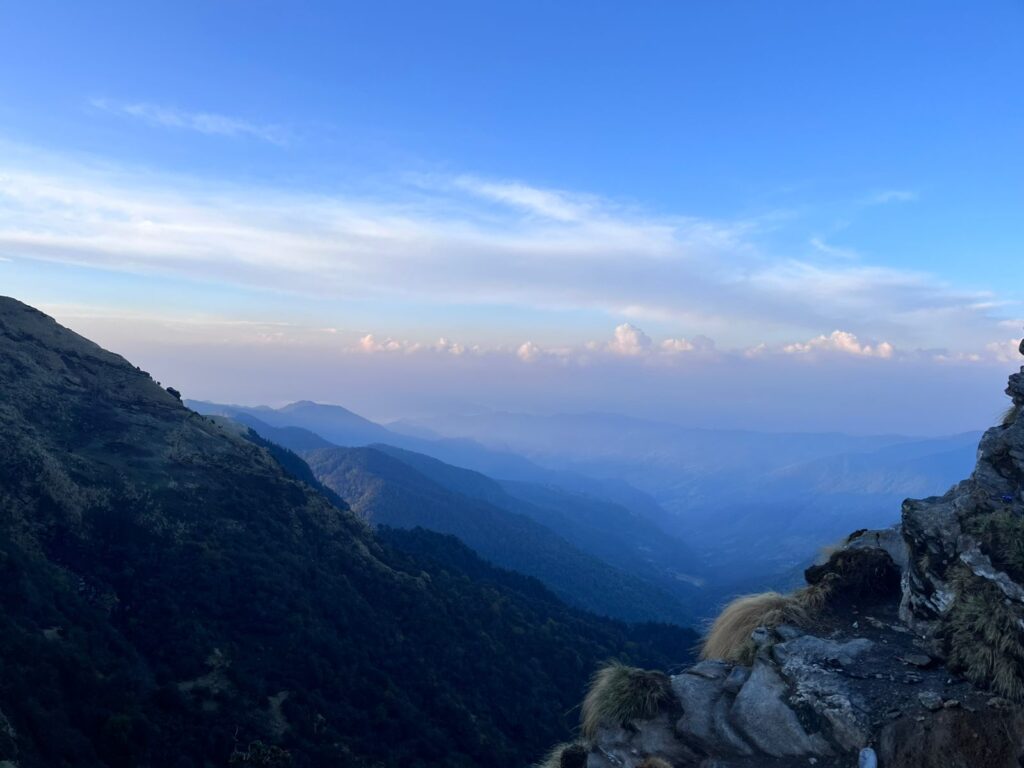
We trekked in May, and it was genuinely beautiful – pleasant weather, clear skies, the rhododendrons were still blooming along the trail, and the Himalayan views were sharp and spectacular. April and May are my personal recommendation for the Tungnath trek.
| Month | Conditions | Verdict |
| April – May | Rhododendrons blooming, pleasant 10-18C, clear views | BEST – Kiran recommends |
| June | Warming up, less crowd, still good visibility | Good |
| July – August | Heavy monsoon, slippery trail, poor visibility, landslide risk | AVOID |
| September – November | Post-monsoon clarity, fresh green, moderate cold | Very Good |
| December – March | Heavy snow, trail may be closed, temple closed Nov-April | Not recommended (temple closed) |
Other treks in Near chandigarh – Churdhar trek
Tungnath Trek Cost from Chandigarh: Our Actual Budget
One of the most searched questions about this trek is the cost. Here is our honest breakdown per person, from Chandigarh:
| Expense | Cost (per person, group of 17) | Notes |
| Tempo Traveller (shared) | Rs 700-900 | Chandigarh to Chopta and return, split 17 ways |
| Hotel in Chopta (1 night) | Rs 600-700 | Rs 1,800 room, shared 2-3 per room |
| Food (trail + meals) | Rs 500-600 | Dhaba meals + Maggi/chai on trail |
| Miscellaneous | Rs 200-300 | Entry, parking, tips, Buransh juice |
| TOTAL PER PERSON | Rs 2,800 – 3,000 | From Chandigarh, group of 17 |
Note: Costs will be higher if you travel as a smaller group (2-4 people), as the transport cost per head increases significantly. Solo travellers should consider joining a shared group tour from Rishikesh, which starts at Rs 3,500-5,000 with accommodation included.
What to Pack for the Tungnath Trek: From My Actual Bag
Even though this is an easy to moderate trek, the altitude and cold winds make packing smart very important. Here is what I carried:
- Warm layered clothing – a fleece mid-layer and a windproof jacket (non-negotiable even in May)
- Trekking shoes with ankle support (not sneakers – the rocky upper trail demands proper grip)
- Knee pain relief gel or a compression bandage for the descent
- Water bottle – at least 1.5 litres (refill at stalls near Chopta)
- Light snacks – energy bars, dry fruits, biscuits for the trail
- Sunscreen and sunglasses – the UV at high altitude is intense
- Power bank and fully charged phone for maps and photos
- A small backpack – keep it light, you will thank yourself on the steep sections
A Note for Women Trekking Tungnath in a Group
I felt completely safe on the Tungnath trek, both on the trail and in Chopta village. It is a well-trodden, spiritually significant route with a constant flow of pilgrims and trekkers, which means you are never truly isolated. That said, here are my honest tips for women planning this trip:
- Start the trek early – ideally by 5 or 6 AM – so you return to Chopta well before afternoon. This also gives you the best clear-sky views.
- Stay with your group throughout, especially on the upper sections toward Chandrashila.
- Keep your phone charged and have the hotel number or a local guide’s contact saved.
- Carry your own water and light snacks so you never feel dependent on reaching the next stall.
- Wear comfortable, layered clothing – nothing too restrictive. The trail involves a lot of stepping up.
The Honest Part: Our Best and Worst Moments
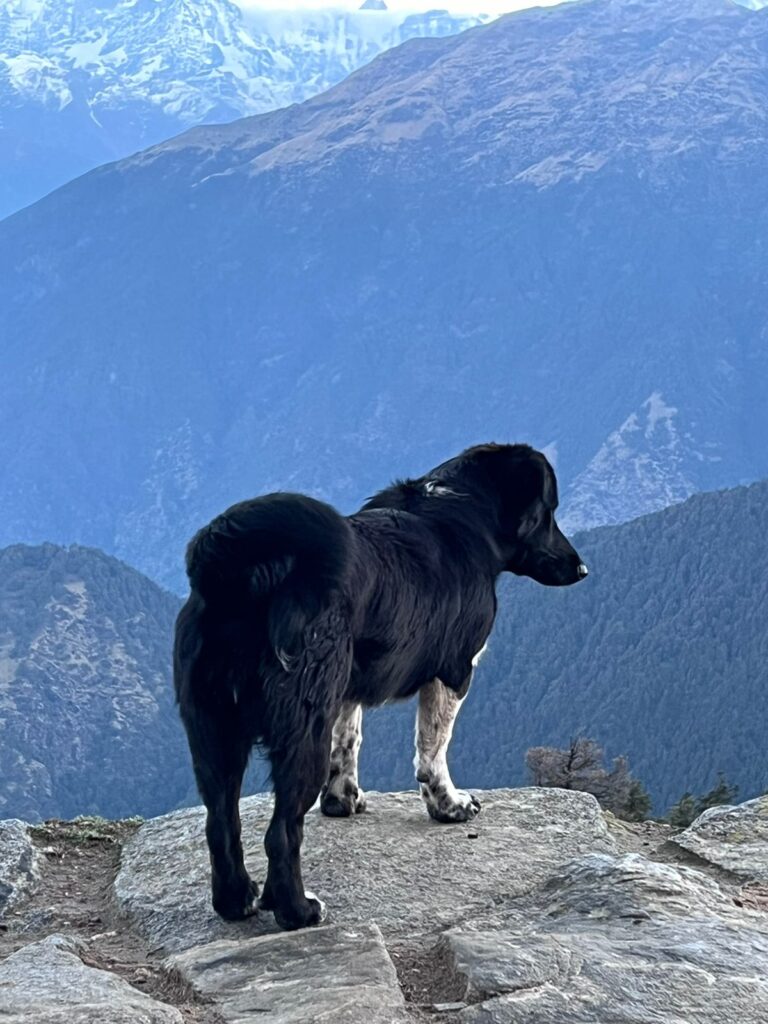
No travel story is complete without the real bits. Our worst moment? The traffic. On the return journey, we were stuck in mountain traffic for 3 to 4 hours, which drained everyone after an already physically demanding day. Several people in the group seriously considered turning back before we reached Chopta, and in that moment, we had to genuinely motivate each other to push on.
But our best moment? That is easier to answer. It was standing at the Chandrashila summit with those five brave souls who kept going – wind howling, clouds swirling, Nanda Devi and Chaukhamba watching over us – and knowing, deep in our bones, that we had made it.
Kiran’s One Piece of Advice Before You Go
| “Check the weather carefully before you start. Safety must always come first on a mountain trail. And whenever possible, go with someone who knows the route – it makes the whole journey easier, safer, and a hundred times more enjoyable.” – Kiran Lata |
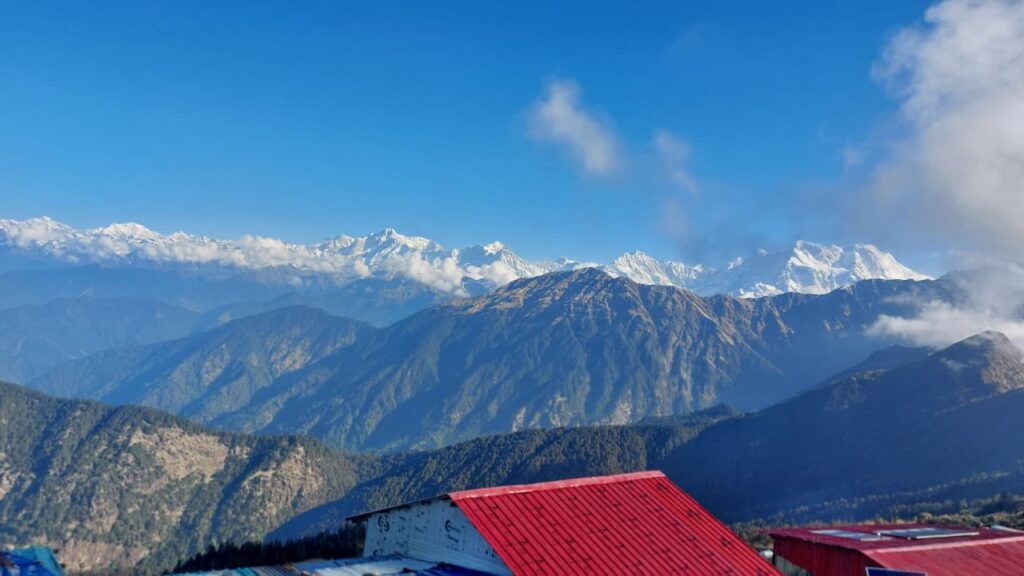
The Tungnath trek from Chandigarh is not just a trek. It is a road trip through sacred rivers, a walk through ancient forests, a prayer at the world’s highest Shiva temple, and on a good day – a view from a summit that reminds you why you started. Plan it, pack right, go with people you love, and let the mountains do the rest.
Frequently Asked Questions: Tungnath Trek
How far is the Tungnath trek from Chopta?
The Tungnath trek distance from Chopta is 3.5 km one way. The trek takes between 1.5 to 3 hours depending on your fitness level.
What is the height of Tungnath Temple?
Tungnath Temple is located at an altitude of 3,680 metres (12,073 feet) above sea level, making it the highest Shiva temple in the world.
How far is Chandrashila from Tungnath?
The distance from Tungnath to Chandrashila summit is approximately 1.5 km. It takes about 45 to 60 minutes from Tungnath Temple.
What is the total Tungnath trek distance?
The total trek distance is approximately 5 km one way (3.5 km Chopta to Tungnath + 1.5 km Tungnath to Chandrashila), or about 10 km for the full return.
What is the best time for Tungnath trek?
The best time for the Tungnath trek is April to June and September to November. May is particularly beautiful with blooming rhododendrons and clear Himalayan views. Avoid July and August due to heavy monsoon rains.
How much does the Tungnath trek cost from Chandigarh?
The Tungnath trek from Chandigarh costs approximately Rs 2,800 to Rs 3,000 per person for a group of 17, including transport (tempo traveller), accommodation at Chopta (1 night), food, and miscellaneous expenses.
Is Tungnath trek suitable for beginners?
Yes, the Chopta to Tungnath section is easy to moderate and suitable for beginners with reasonable fitness. The additional Chandrashila climb is steeper and recommended for those comfortable with a longer trek.
Is the Tungnath trek safe for women?
Yes, the Tungnath trek is considered safe for women, especially in a group. The trail is well-travelled with a regular presence of pilgrims and other trekkers. Starting early in the morning and staying with your group is recommended.
What is the Tungnath trek package from Rishikesh?
Tungnath trek packages from Rishikesh typically start from Rs 3,500 to Rs 5,000 per person for 2-3 days, including transport, accommodation, meals, and guide. Prices vary by operator and group size.
About the Author: I’m Kiran Lata, an SEO expert and digital marketing specialist based in Zirakpur, near Chandigarh. When I’m not building content strategies, I’m out chasing mountain trails. I’ve trekked Churdhar, Naina Devi, Vaishno Devi, and now Tungnath-Chandrashila. Trekking is not just a hobby for me – it’s the way I reset, breathe, and truly feel alive.