

“Just go for it! The views are mesmerizing, the landscape is stunning, and the journey will change you for the better.” – Traveller, April 2026
Some places don’t just test your legs – they test your soul. The Ali Bedni Bugyal trek in Uttarakhand is exactly that kind of place. Tucked deep in the Chamoli district of the Garhwal Himalayas, this trek takes you across two of India’s most breathtaking high-altitude meadows – Ali Bugyal at 11,000 ft and Bedni Bugyal at 12,500 ft – while revealing a world of snow-capped peaks, ancient temples, and golden grasslands that feel almost too beautiful to be real.
This guide is built around the real experience of a trekker who completed the trail in April 2026 – so every tip, every emotion, and every honest observation here comes straight from the ground.
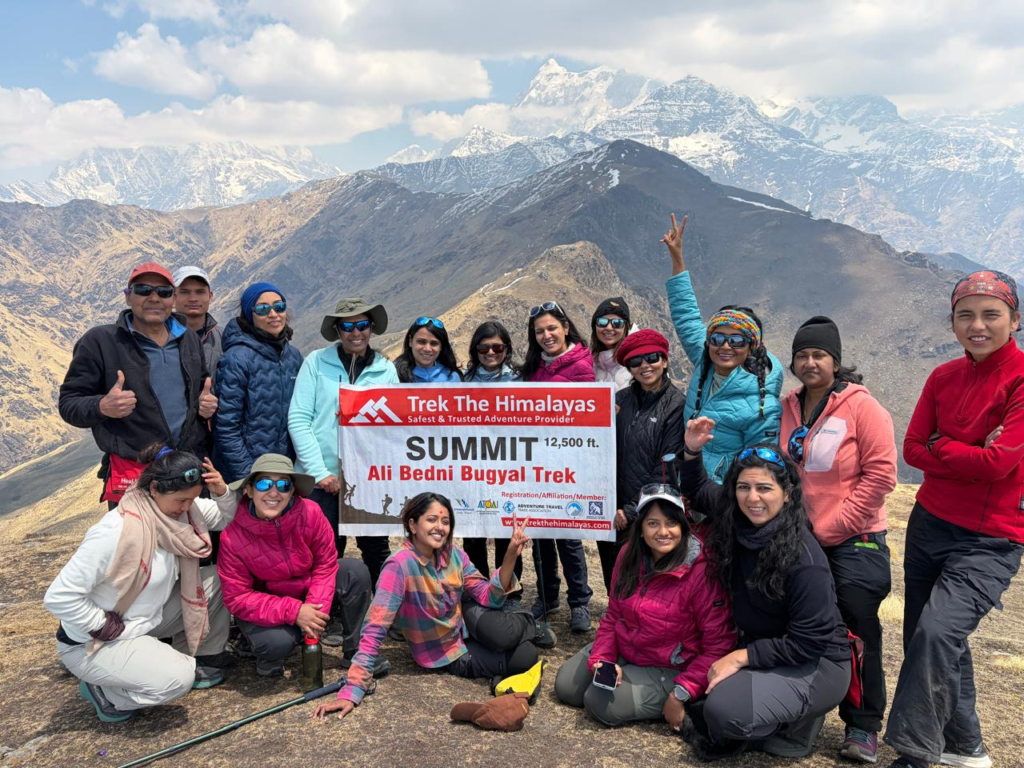
Quick Trek Stats at a Glance
| Detail | Info |
| Trek Name | Ali Bedni Bugyal Trek |
| Location | Chamoli District, Uttarakhand |
| Base Camp | Lohajung (7,800 ft) |
| Highest Point | Bedni Bugyal (12,500 ft) |
| Ali Bedni Bugyal Trek Distance | ~56 km (Lohajung to Lohajung) |
| Duration | 6 Days |
| Difficulty | Moderate |
| Best Time | April–June & September–November |
| Trek Start Point | Lohajung, Chamoli |
| Nearest City | Rishikesh / Dehradun |
Why Is Ali Bedni Bugyal So Famous?
If you’ve ever seen a photograph of a vast, rolling meadow with the Trishul and Nanda Ghunti peaks framed against a deep blue sky, there’s a good chance it was taken from Bedni Bugyal. This stretch of grassland is one of the largest high-altitude meadows in Asia, and that alone makes it legendary among trekkers.
But fame here isn’t just about visuals. Ali Bugyal and Bedni Bugyal are two distinct meadows that offer two completely different personalities on the same trail. Ali feels like endless, open grasslands stretching as far as the eye can see. Bedni, sitting higher, rewards you with dramatic panoramic views of some of the mightiest peaks in the Garhwal range – Trishul (7,120 m), Nanda Ghunti (6,309 m), Mrigthuni, and on clear days, even Chaukhamba.
The sacred Bedni Kund – a glacial lake at the edge of Bedni Bugyal – adds a spiritual dimension to the trek. It is deeply revered in Hindu tradition and forms part of the ancient Nanda Devi Raj Jat Yatra pilgrimage route, held once every 12 years. This is a trail that belongs as much to pilgrims as it does to trekkers.
The History and Mythology Behind Ali Bedni Bugyal
Long before Instagram discovered these meadows, the Ali Bedni Bugyal trail served as the sacred path for the Nanda Devi Raj Jat Yatra – a grand pilgrimage that has been taking place for centuries. Thousands of devotees walk this route barefoot as an offering to Goddess Nanda Devi, the presiding deity of the Kumaon and Garhwal Himalayas.
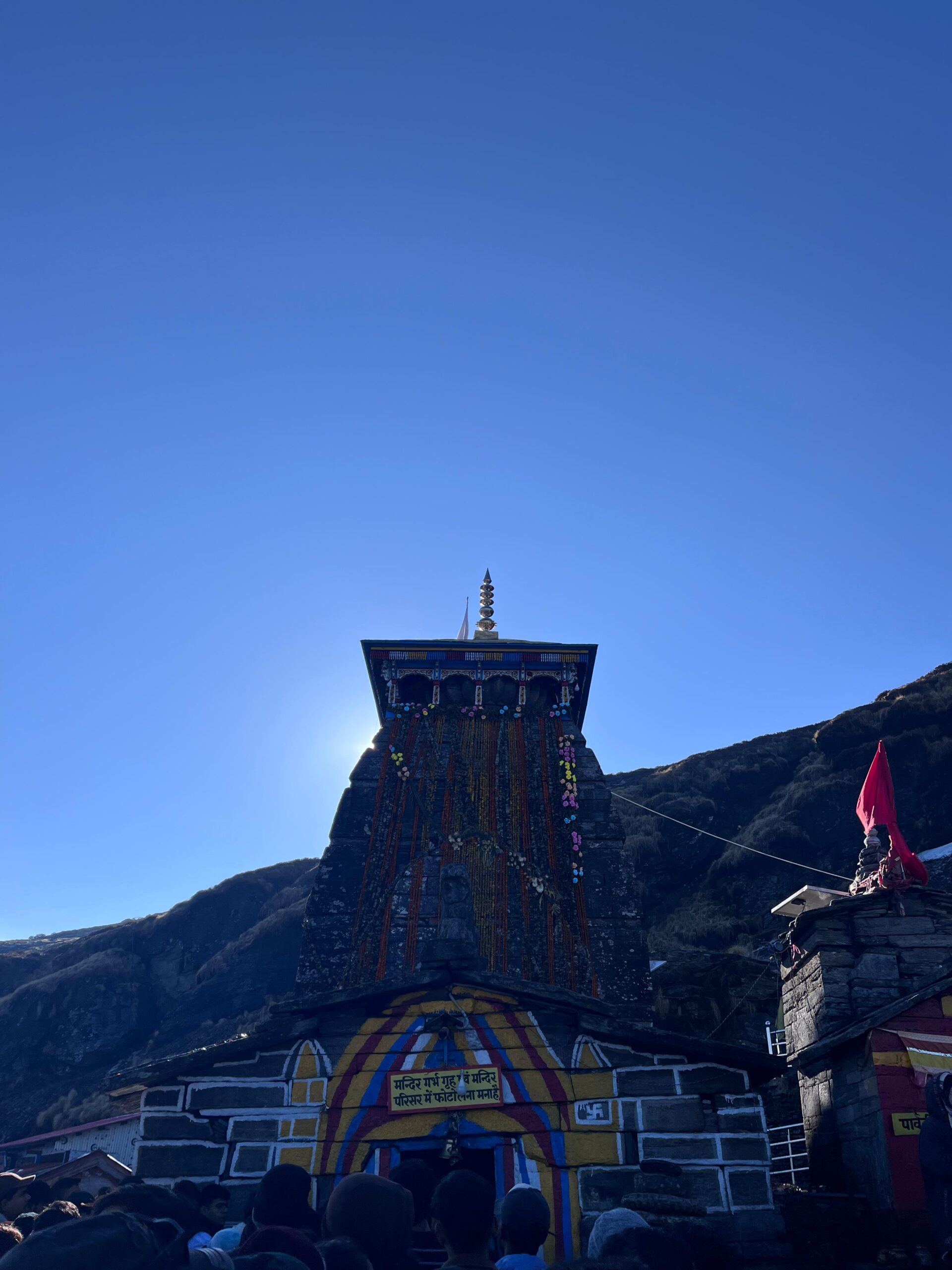
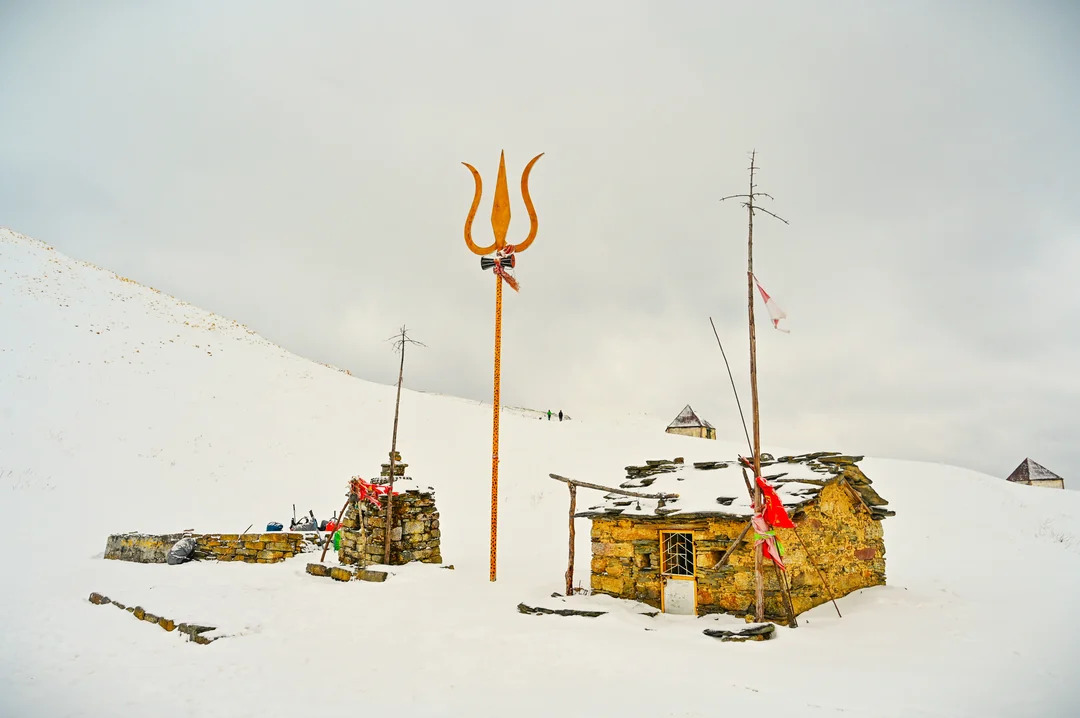
The Bedni Bugyal area also shelters the ancient Patharnachoni temple, dedicated to Goddess Nanda Devi, which stands as a silent guardian over the meadow. Shepherds from nearby villages have grazed their flocks in these meadows for generations – the bugyals (a Garhwali word for alpine meadows) are woven into the cultural and pastoral fabric of the region.
For a trekker, walking this land means walking in the footsteps of pilgrims, shepherds, and mountaineers – all of whom have looked up at the same peaks and felt the same wordless awe.
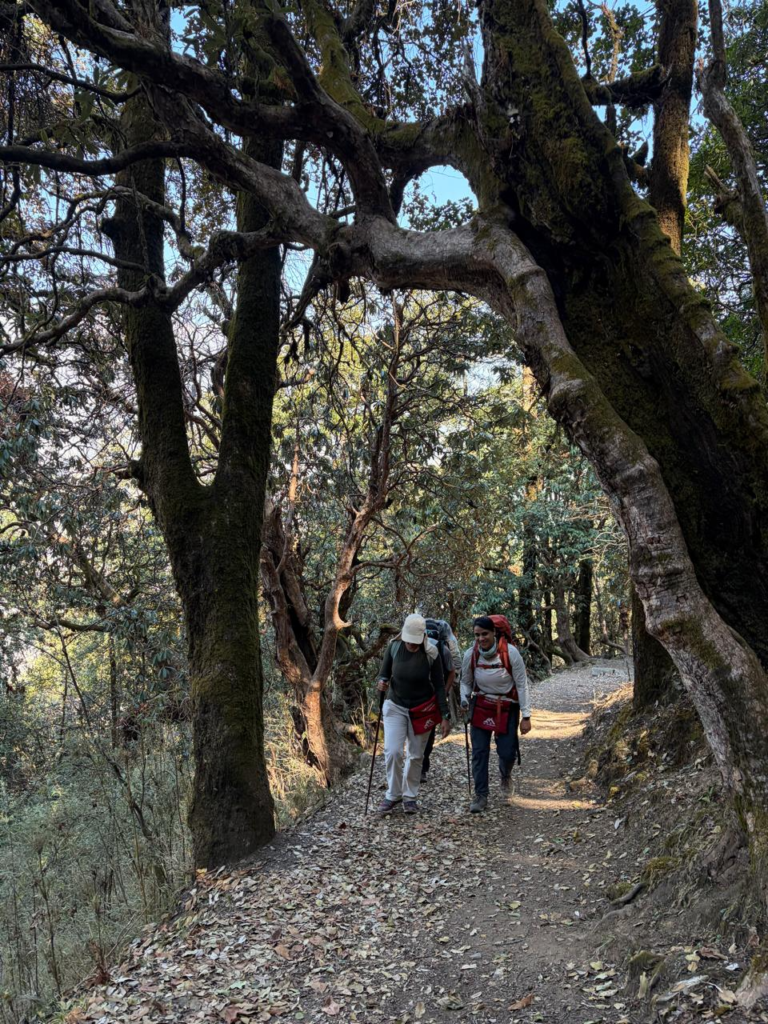
Ali Bedni Bugyal Trek Distance & Detailed Route
Understanding the Ali Bedni Bugyal trek distance is important for planning your fitness and daily energy. The total round-trip trek distance from Lohajung is approximately 56 km, spread across 6 days of trekking (Rishikesh to Rishikesh itinerary).
Here’s how the trail typically unfolds day by day:
Day 1 – Drive from Rishikesh to Lohajung (7,800 ft) This is a scenic road journey of roughly 230 km, taking around 8–10 hours. Lohajung is the base camp village for the trek – a quiet, charming hamlet that gives you your first glimpse of Himalayan village life.
Day 2 – Lohajung to Didna Village (8,500 ft) | ~8 km The trek begins gently through oak and rhododendron forests. The trail winds past Kulling village before descending slightly to Didna. In April, rhododendrons bloom in vivid reds and pinks, making this leg particularly beautiful.
Day 3 – Didna to Ali Bugyal (11,000 ft) | ~10 km This is the day the landscape transforms. The forest gives way to rolling meadows, and suddenly you’re standing on Ali Bugyal – a vast open expanse with unbroken views of the Himalayas. The dramatic shift in scenery makes this one of the most memorable days of the trek.
Day 4 – Ali Bugyal to Bedni Bugyal (12,500 ft) | ~9 km A relatively short but altitude-gaining day. The trail moves higher, crossing through more open terrain before arriving at Bedni Bugyal – the crown jewel of the trek. The Bedni Kund glacial lake and the Nanda Devi temple greet you here.
Day 5 – Bedni Bugyal to Wan Village (7,800 ft) | ~15 km A long descent through Patar Nachuni, Kalu Vinayak, and the beautiful Wan village. The change in elevation is significant – your knees will thank you for trekking poles.
Day 6 – Wan to Lohajung and Drive to Rishikesh | ~14 km drive + road journey The final leg wraps up at Lohajung, followed by the long drive back down to Rishikesh.
The Real Experience: What It Actually Felt Like in April 2026
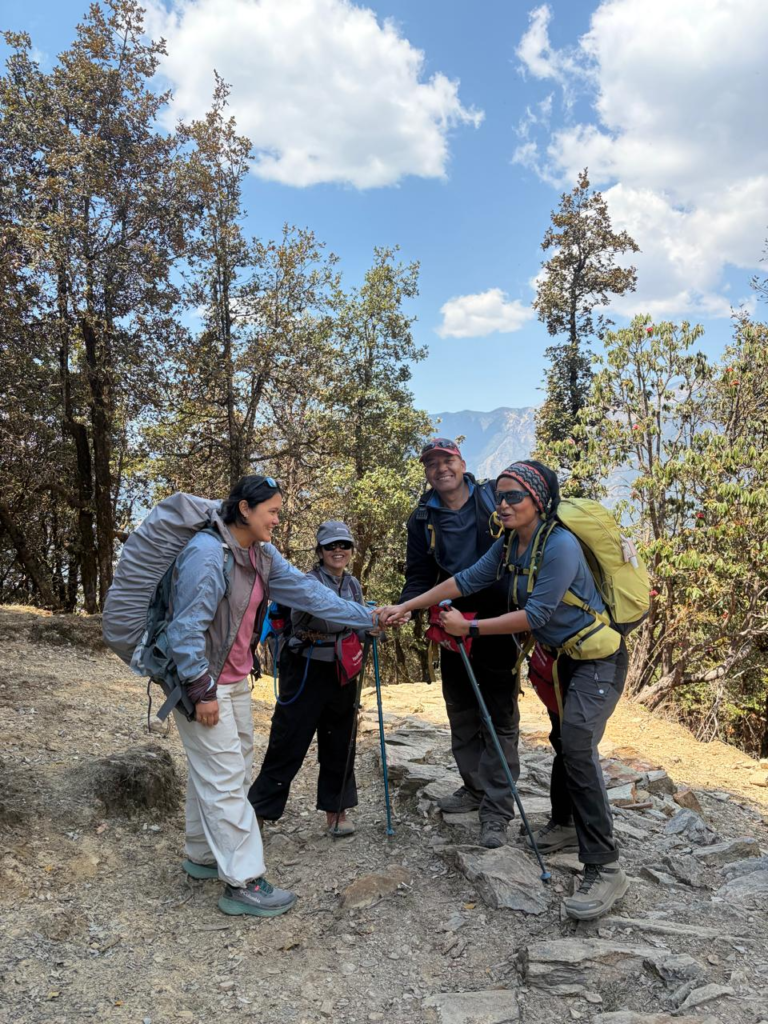
Our trekker completed this journey in April 2026 with Our trekker completed this journey in April 2026 with Trek the Himalayas (TTH), starting from Dehradun. She took a taxi to Rishikesh and then used TTH’s transport service to reach Lohajung – a practical and well-organized way to start the journey.Trek the Himalayas (TTH), starting from Dehradun. She took a taxi to Rishikesh and then used TTH’s transport service to reach Lohajung – a practical and well-organized way to start the journey.
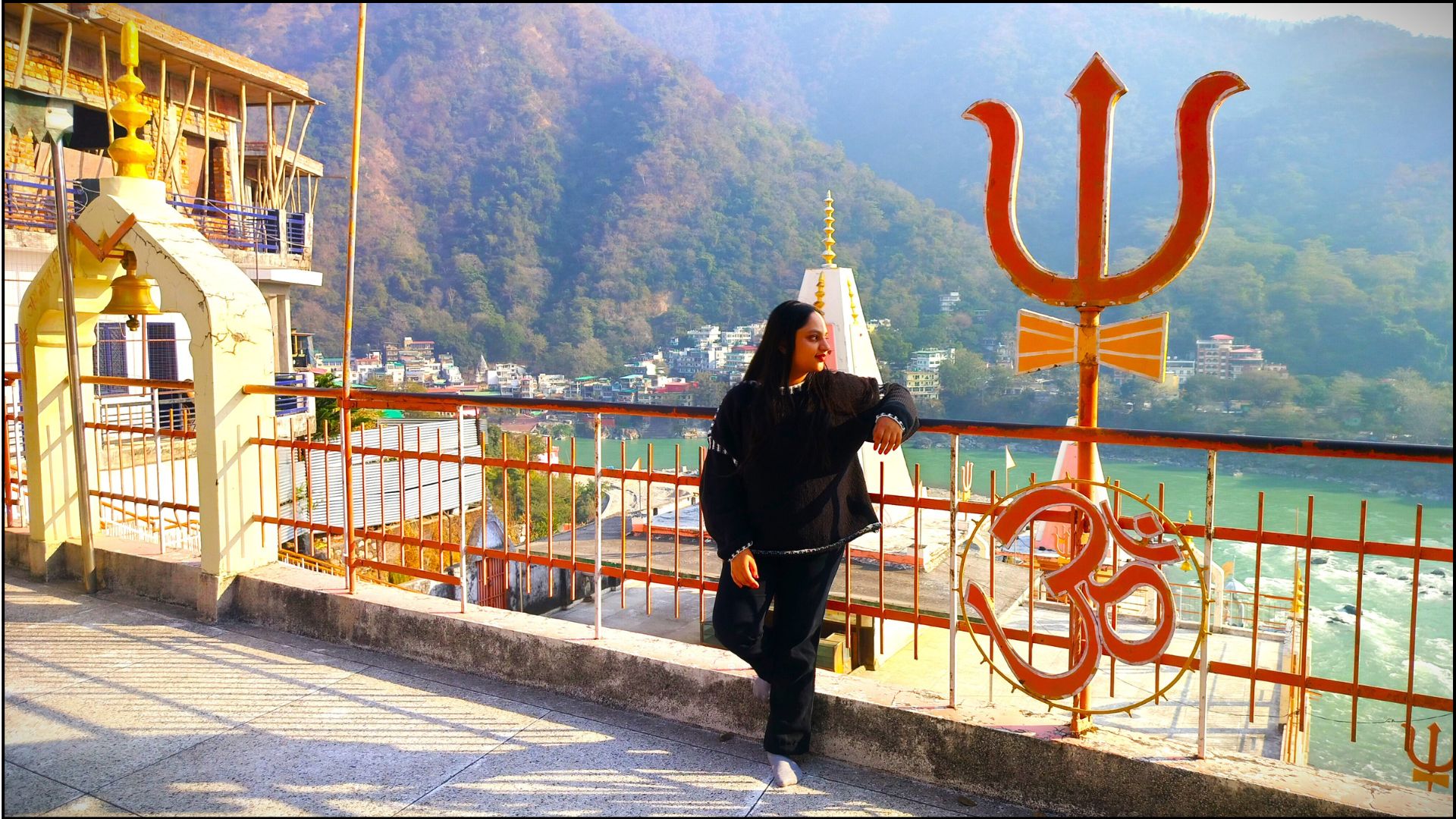
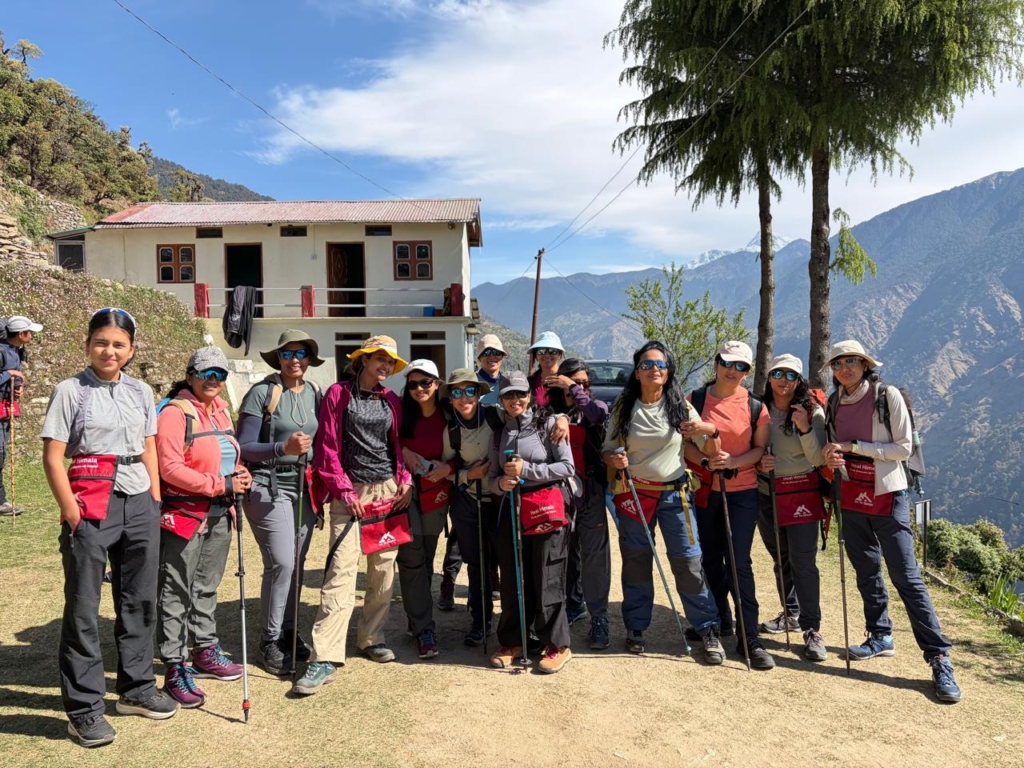
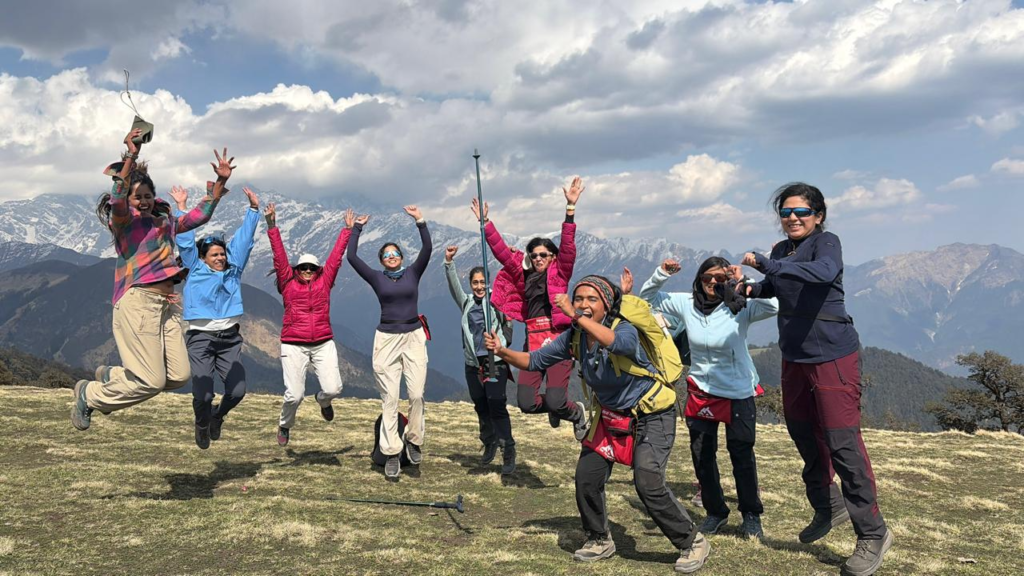
Travelling with a group of 7 women who were strangers at the start, the trip quickly turned into one of those rare experiences where a group of people become a family in less than a week.
“We bonded over our struggles during the trek. Those late night gossip sessions, walking the trails together, sharing meals, and talking about life brought us closer and created a bond I’ll cherish forever.”
The trek felt comparatively easier for her, having done other Himalayan treks before. The well-paced itinerary, supportive trek leaders, and smooth logistics made the journey comfortable throughout.
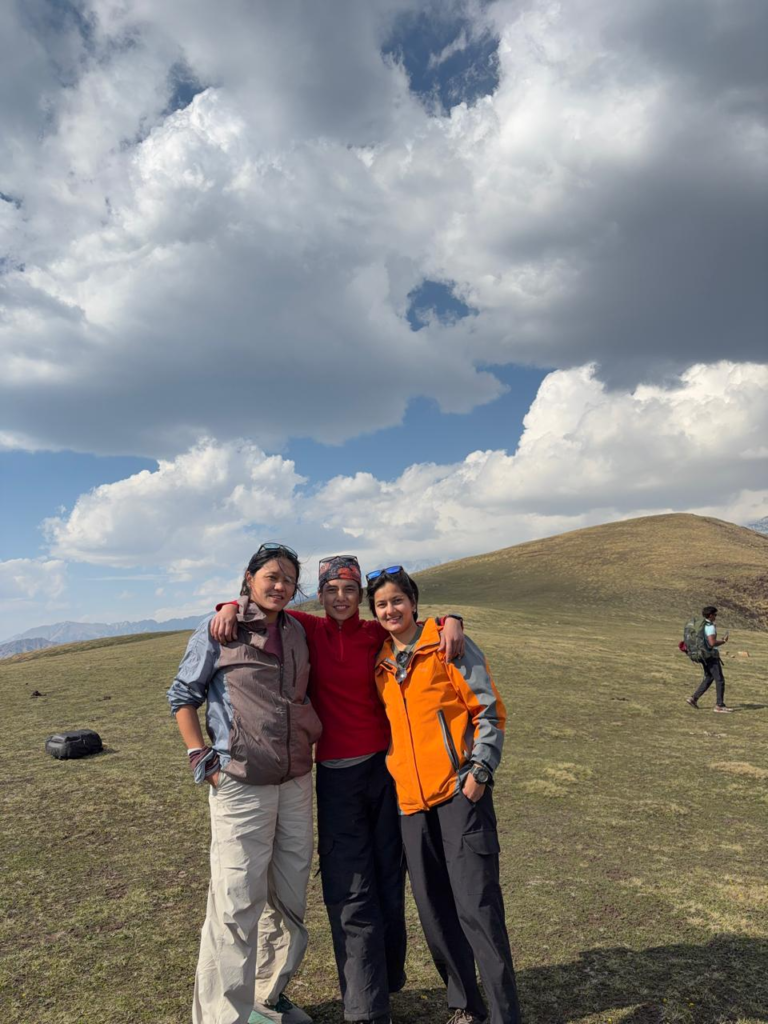
What Made the Summit So Special
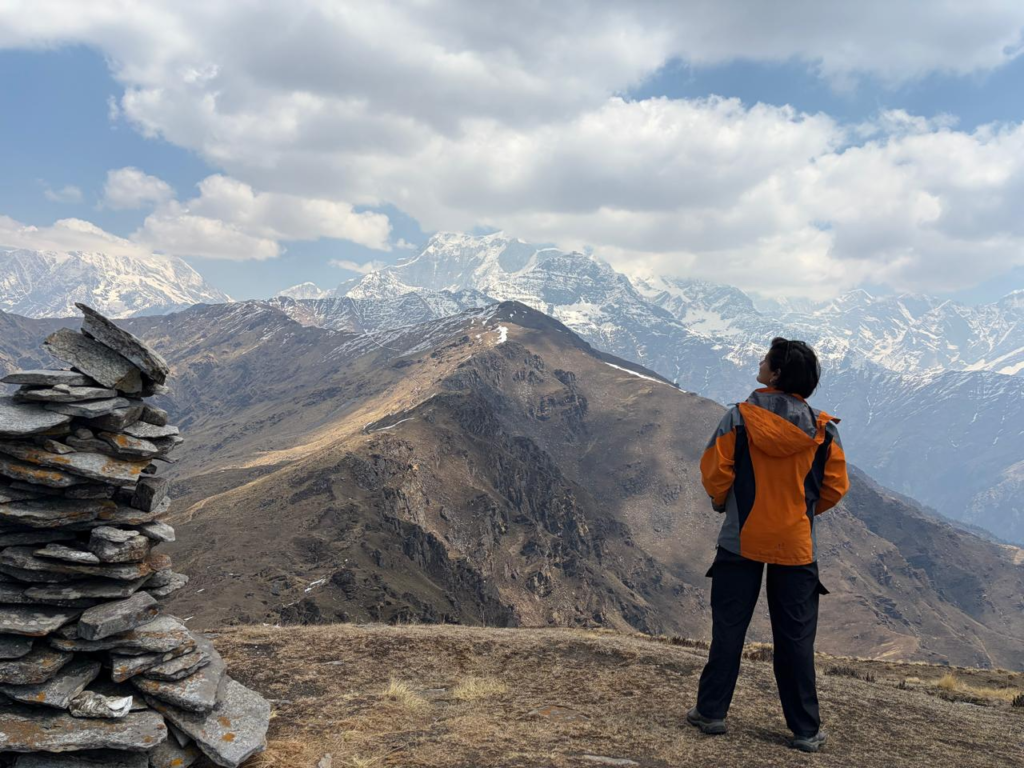
The highlight of the entire trek was reaching Bedni Bugyal at 12,500 ft and witnessing the ring of snow-capped peaks surrounding the meadow on all sides.
“The whole journey felt amazing, but the highlight for me was the summit at Bedni Bugyal, from where we could see snow-capped mountain peaks stretching out in front of us.”
The weather in April was sunny with only scattered snow patches visible near the summit – ideal conditions for unobstructed mountain views. The meadow itself was a surreal experience: wide, green, open grasslands leading right to the edge of the world, with Trishul and Nanda Ghunti standing guard on the horizon.
An All-Girls Trek – Safety, Sisterhood, and the Rooftop Car Moment
One of the most unique aspects of this particular trek was that the group was entirely female – 7 women from different backgrounds who became sisters by the end of it.
“We danced, sang, played games and shared secrets – and somewhere along the way, found sisters not by blood, but by heart.”
On the safety front, the answer was an unequivocal yes. With TTH’s experienced guides and a well-structured camp setup, the group felt completely secure throughout the journey.
And then there was the legendary rooftop car moment. On the journey back through Wan village toward Lohajung base camp, the group asked their driver if they could sit on top of the vehicle – and he said yes. Wind in their hair, mountains all around, the trek behind them – it became the perfect, wild, unforgettable final chapter of the trip.
The Food: Better Than You’d Expect at 12,000 ft
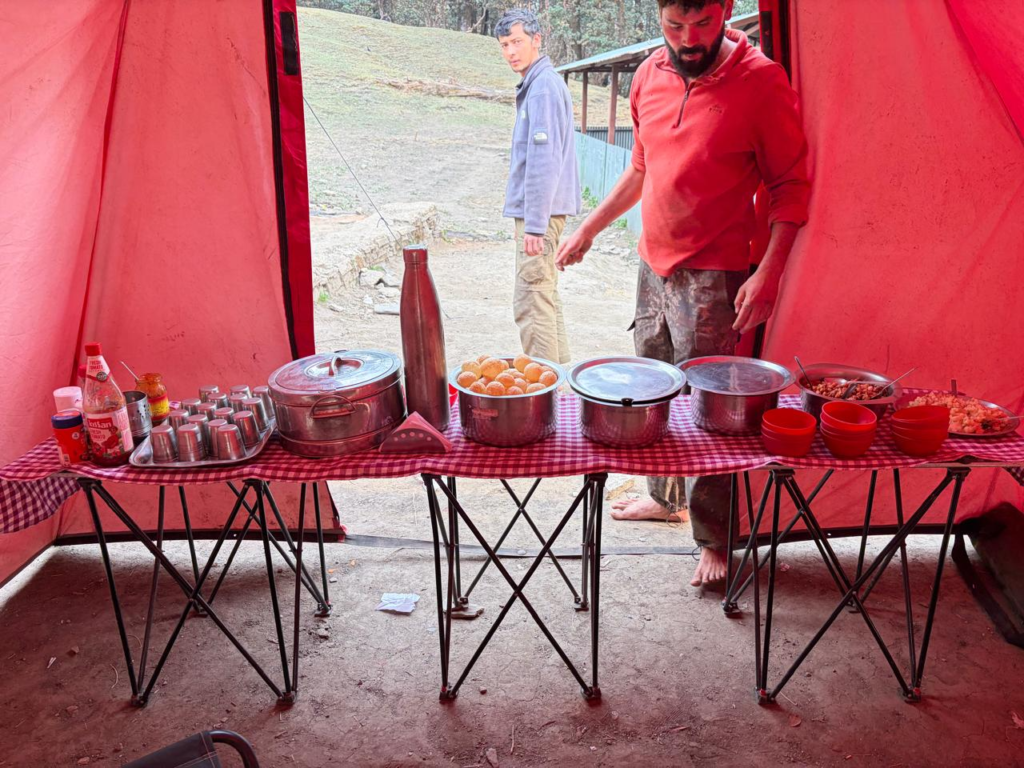
Food on a Himalayan trek can be a gamble — but not with TTH. The camp kitchen genuinely surprised the group with variety and effort.
“From surprising us with golgappas, momos, noodles to different sweet dishes every day, the efforts of the team were incredible.”
Warm meals after a long day of trekking hit differently at altitude. The food wasn’t just fuel — it became part of the bonding experience, a daily reason to gather, laugh, and celebrate the day’s walk.
Camp Life: Comfort in the Wild
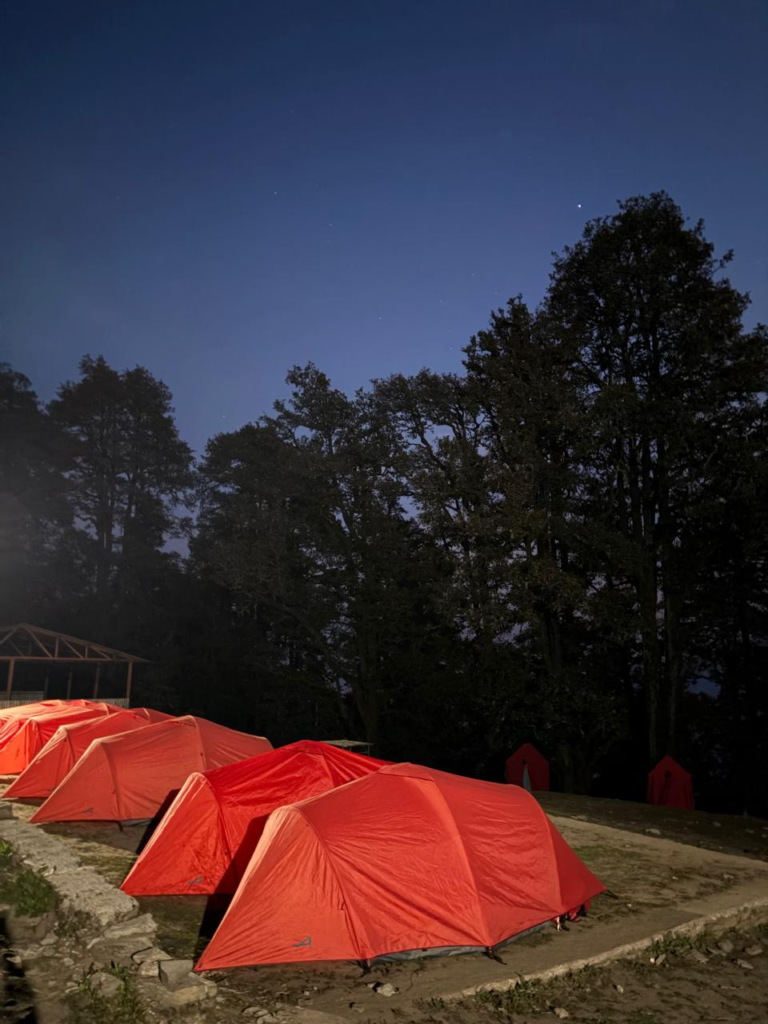
All accommodations on the trek were well-organized tent camps. Sleeping bags, washrooms, and camp arrangements were all taken care of – no roughing it unnecessarily.
“All the arrangements were taken care of well and the stay was comfortable.”
After high-altitude days, a well-set tent and a warm sleeping bag make all the difference. The camps were positioned at scenic spots along the trail, giving trekkers beautiful surroundings to wake up to each morning.
Ali Bedni Bugyal Trek Best Time to Visit
The Ali Bedni Bugyal trek best time depends on what experience you’re looking for:
April to June (Spring/Summer) – This is one of the most popular windows. Rhododendrons are in full bloom, the meadows are lush green, and weather is mostly stable. Snow patches near the summit add drama without making the trail dangerous. Our trekker visited in April 2026 and had sunny skies and excellent visibility.
September to November (Post-Monsoon) – The skies are crystal clear after the rains, making it possibly the best time for mountain views. The meadows turn golden and amber – photographers love this season.
Ali Bedni Bugyal Trek in November – This is the last window before winter closes the trail. Temperatures drop sharply, but the trail rewards with dramatic light, possible light snowfall, and a serene, almost empty trail. Pack heavy layers.
Avoid: July–August (heavy monsoon, landslide risk) and December–March (deep snow and extremely cold conditions).
How to Reach the Ali Bedni Bugyal Trek Start Point
The Ali Bedni Bugyal trek start point is Lohajung in Chamoli district, Uttarakhand.
From Dehradun/Rishikesh: Take a taxi or bus to Rishikesh, then either hire a private taxi or use a trekking company’s transport service to reach Lohajung (approximately 220–230 km, 8–10 hours).
From Delhi: Board a Volvo or overnight bus to Rishikesh/Haridwar, then continue by road to Lohajung. Total journey: approximately 14–16 hours.
By Train: Nearest railhead is Rishikesh or Haridwar. From there, road transport to Lohajung.
By Flight: Nearest airport is Jolly Grant Airport, Dehradun (~30 km from Rishikesh). From Rishikesh, proceed to Lohajung by road.
Ali Bedni Bugyal Trek Package & Cost Breakdown
For those planning with a trekking company, here is a rough cost estimate for an Ali Bedni Bugyal trek package:
| Component | Approx. Cost |
| Travel Dehradun → Rishikesh → Lohajung | ₹1,500–₹3,000 (shared taxi) |
| Trek Package with TTH (6 days, all-inclusive) | ₹7,000–₹12,000 per person |
| Personal gear / clothing | ₹1,000–₹3,000 (if renting) |
| Miscellaneous / tips | ₹500–₹1,000 |
| Estimated Total | ₹10,000–₹18,000 |
Prices vary by season, group size, and company. Always confirm with your trekking operator.
Essential Packing List – What Every Trekker Actually Needs
Based on first-hand experience from April 2026:
- Extra layers – Temperatures swing from warm afternoons to cold nights. Carry thermal innerwear, a fleece mid-layer, and a windproof/waterproof jacket.
- Sturdy trekking shoes with ankle support
- Trekking poles (especially helpful on the long Wan descent)
- Sunscreen SPF 50+ and UV-protective sunglasses
- Personal medicines and a basic first aid kit
- Reusable water bottle and water purification tablets
- Headlamp with spare batteries
- Light snacks for the trail (energy bars, dry fruits, nuts)
- A portable power bank
- Comfortable, quick-dry trekking clothing
Pro Tip: Start physical training – especially cardio and leg strength exercises – at least 4-6 weeks before the trek. The climbs are manageable, but being fit makes everything more enjoyable.
Frequently Asked Questions (FAQs)
How long is the Ali Bedni Bugyal Trek? The total Ali Bedni Bugyal trek distance is approximately 56 km, completed over 6 days from Lohajung and back. Daily trekking ranges from 8–15 km per day.
What is the Ali Bedni Bugyal trek start point? The trek starts from Lohajung village (7,800 ft) in Chamoli district, Uttarakhand.
In which district is Ali Bedni Bugyal located? It is located in Chamoli district, Uttarakhand.
Which peaks are visible from Ali Bedni Bugyal? Trishul (7,120 m), Nanda Ghunti (6,309 m), Mrigthuni, and on clear days, Chaukhamba and Hathi-Ghoda peaks are visible from Bedni Bugyal.
Which trek is 15,000 ft in Uttarakhand? The Roopkund Trek reaches approximately 15,750 ft – the highest of the popular Uttarakhand treks. Ali Bedni Bugyal tops out at 12,500 ft.
How to reach Ali Bedni Bugyal Trek? Travel to Rishikesh by bus, train, or flight (via Dehradun), then take road transport to Lohajung (approx. 8–10 hours). Most trekking companies offer pickup services from Rishikesh.
How much does the Ali Bedni Bugyal trek cost? Expect to spend between ₹10,000–₹18,000 all-inclusive for a guided 6-day package from Rishikesh, depending on the season and operator.
Why is the Roopkund Trek closed? Roopkund has faced periodic closures and restrictions due to environmental damage caused by heavy trekker footfall, waste management issues, and concerns about preservation of the archaeological site (the famous skeleton lake). Authorities have imposed regulated entry in recent years.
Which is the toughest trek in Uttarakhand? The Auden’s Col Trek, connecting Gangotri and Kedarnath, is widely considered the toughest technical trek in Uttarakhand. Among popular trekker trails, Roopkund and Bali Pass also rank very high in difficulty.
Which trek is best in October? October is outstanding for Ali Bedni Bugyal, Roopkund, Kedarkantha (early October), and Har Ki Dun – all offer crystal-clear skies, excellent mountain views, and comfortable temperatures.
Ali Bedni Bugyal Trek in November – Is it possible? Yes, November is viable but requires proper cold-weather gear. The trail is quieter, the light is dramatic, and snowfall is possible above 10,000 ft. It’s best suited for experienced trekkers.
Final Verdict: Should You Do This Trek?
The Ali Bedni Bugyal trek is one of those rare journeys that gives you everything at once – beauty, challenge, culture, community, and transformation. The Ali Bedni Bugyal trek distance of ~56 km over 6 days is entirely manageable for a moderately fit person. The views are world-class. The meadows are extraordinary. And the people you’ll meet along the way – guides, fellow trekkers, village locals – will stay with you long after you’ve come back down.
Whether you’re a seasoned trekker looking for your next Uttarakhand adventure, or a first-timer wondering if you’re ready – this trek is the answer. Start training, pack your layers, and just go.
About the Contributor
This blog is written based on the first-hand account of a travel blogger from Dehradun who completed the Ali Bedni Bugyal trek with Trek the Himalayas in April 2026. She has completed multiple Himalayan treks and writes about adventure travel and the transformative power of the mountains.
Enjoyed this guide? Share it with someone who needs a push to hit the trail.