


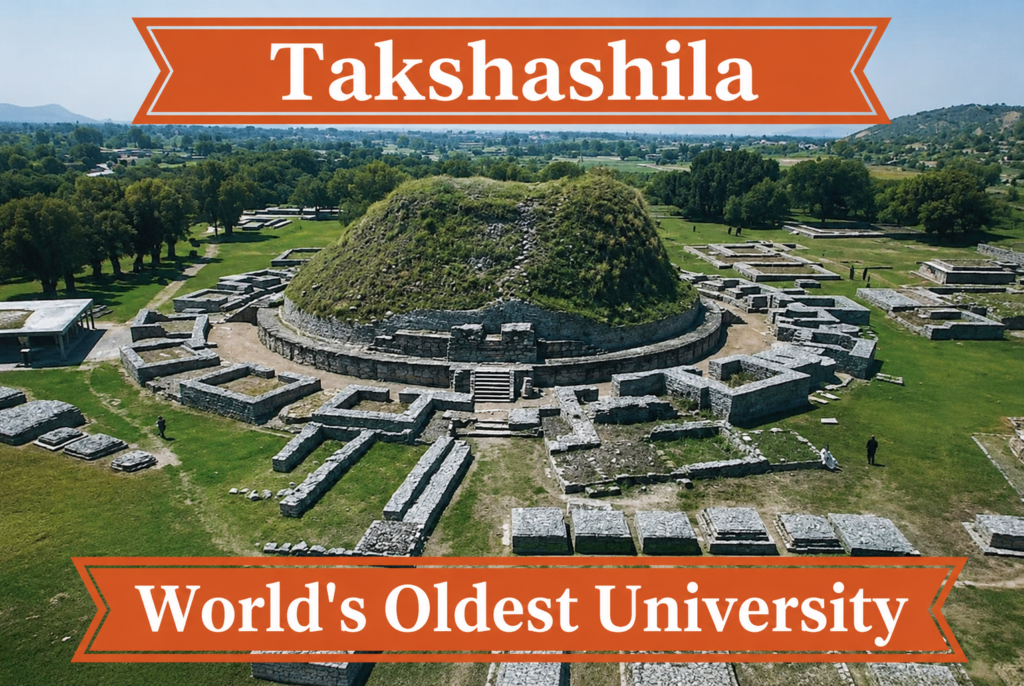
Long before “campus,” “syllabus,” or “degree” existed as ideas, there was a city on the Indus where students walked for weeks just to sit at a teacher’s feet. Was Takshashila really the world’s first university? This piece looks through the eyes of its ancient chroniclers, its teachers, and the modern historians who’ve argued about it for a century.
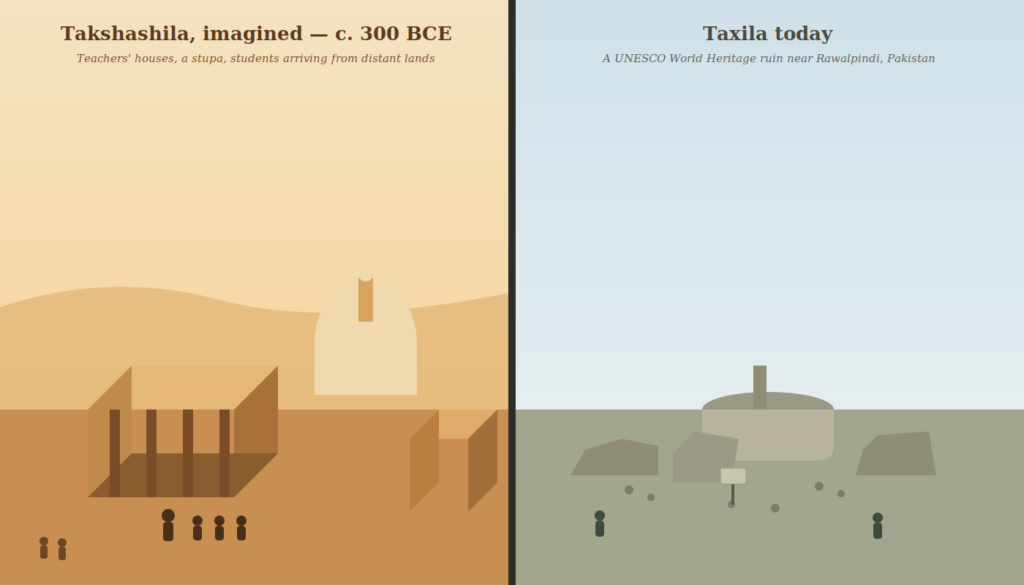
Takshashila imagined, c. 300 BCE (left) next to Taxila today (right).
ORIGINAL ILLUSTRATION – created for this piece, not a photograph. This is an artistic imagining based on textual descriptions (teachers’ houses, a stupa, students arriving from distant lands) placed beside a stylized rendering of the present-day ruin near Rawalpindi, Pakistan. It is not an archaeological reconstruction – no image of the university as it actually looked survives.
Where It All Began
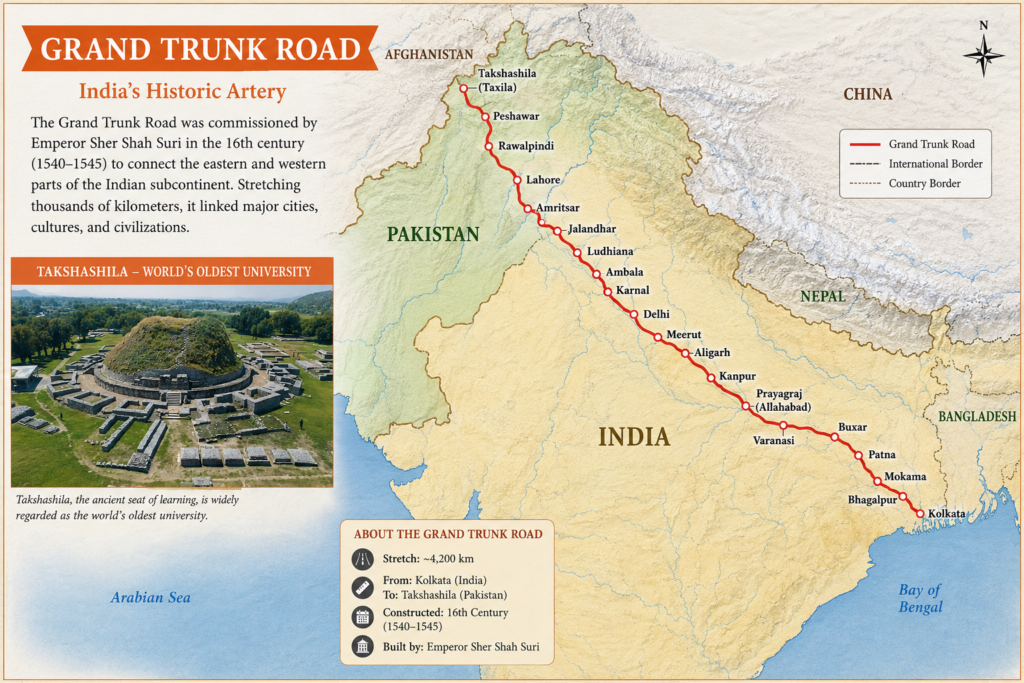
Takshashila – the Greeks wrote it as Taxila – sat where the Indus plain meets the roads to Central Asia, on what later became the Grand Trunk Road. Its Sanskrit name, Takṣaśilā, means “City of Cut Stone” or “Rock of Taksha,” and tradition says it was founded by Bharata, Rama’s younger brother, and named for his son Taksha. That’s a myth, not a chronicle – no ancient text gives a real founding date. People were living on this ground from at least 1000 BCE, and by the time Alexander the Great arrived in 326 BCE, it was already known as wealthy, well-governed, and full of scholars.
There was no single campus, no gate, no founding ceremony. What grew here instead was something looser and stranger: a whole city of independent teachers, each running their own school out of their own house, drawing students from across the subcontinent purely on reputation.
What the Old Books Actually Say
This is the part most articles get wrong – they treat every old story as historical fact. Here is what each source really tells us, one book at a time.
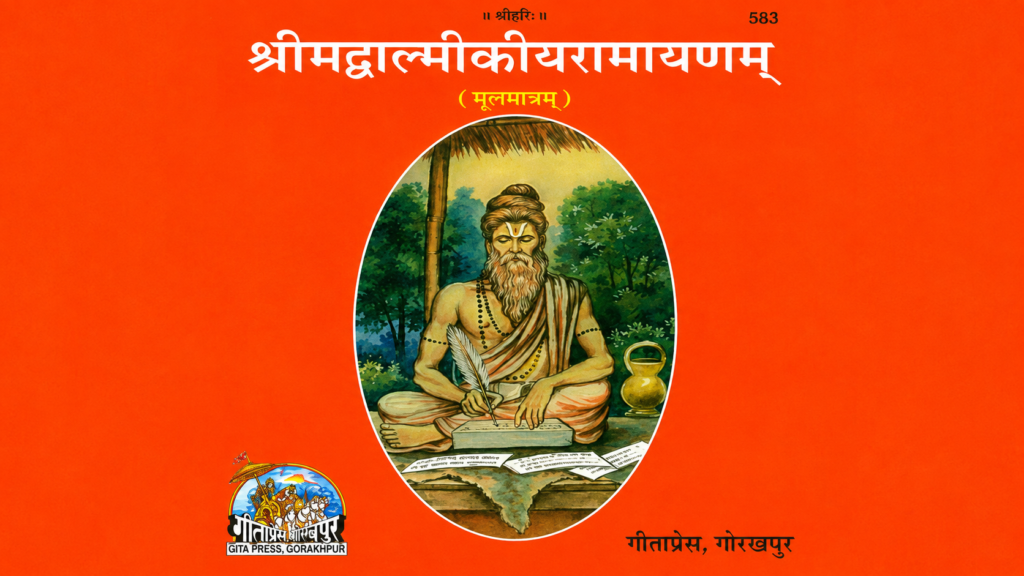
The Rāmāyaṇa (Sanskrit)
Gives the founding legend – Bharata and his son Takṣa. It’s an origin myth, not a date. Do not treat it as proof of a founding year.
Pāṇini’s Aṣṭādhyāyī (Sanskrit, ≈ 6th–4th century BCE)
A grammar textbook, not a history – but Pāṇini’s own linguistic world includes Takṣaśilā by name. It’s one of the earliest solid textual footprints the city has. Original writing script uncertain; survives in later manuscript traditions, printed today in Devanagari.
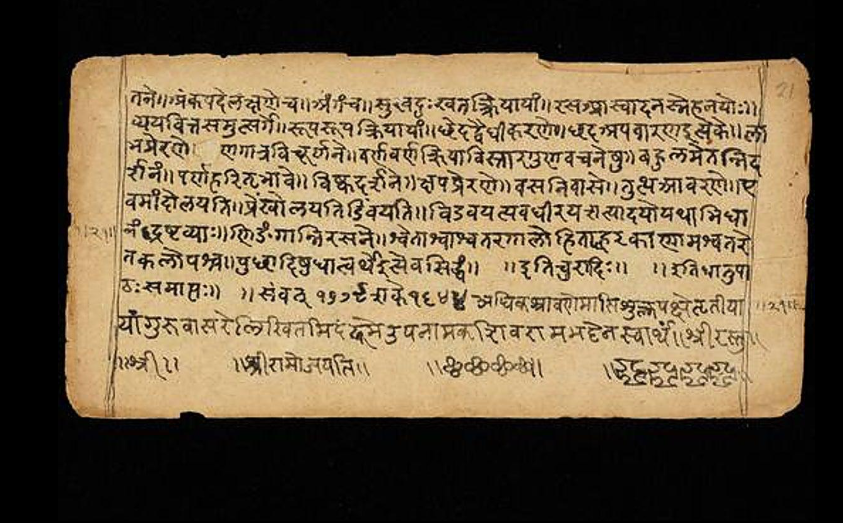
Handwritten Sanskrit manuscript page (cursive script, aged paper) in the Aṣṭādhyāyī tradition.
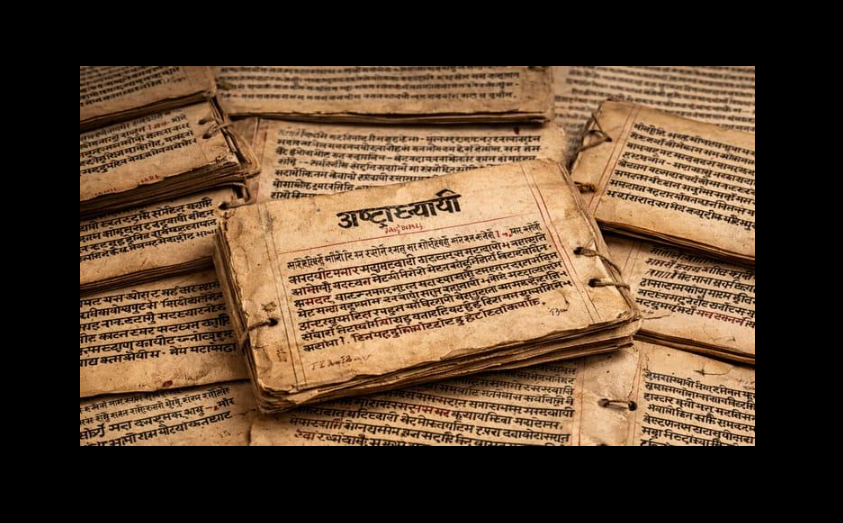
SOURCE STATUS – UNCONFIRMED: supplied as a screenshot with no origin URL. Do not treat as a credited, publish-ready image until the original archive is located.
Traditional bound Aṣṭādhyāyī volume – palm-leaf/paper bundle, red string binding, cover reading “अष्टाध्यायी.”
SOURCE STATUS – UNCONFIRMED: needs an original source link before use as a credited image.
The Buddhist Jātaka Tales (Pāli, compiled over centuries)
This is where the “great teacher” reputation really comes from. The Takkasilā Jātaka – also called the Telapatta Jātaka – tells of a prince of Kashi promised the throne of Takkasilā (note: Pāli form, distinct from the Sanskrit Takṣaśilā) if he could survive a forest of demonesses to reach it. These are stories people told about the city’s fame, not court records – reputation, not documentation.
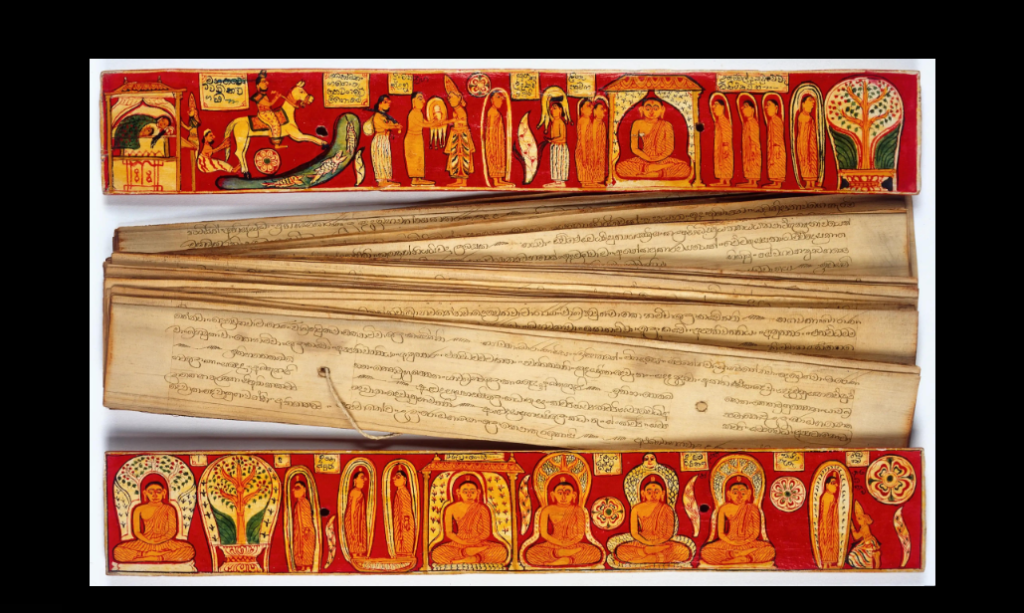
Illustrated palm-leaf manuscript, Southeast Asian style – painted covers depicting scenes from the Buddha’s life framing folded palm-leaf text pages.
SOURCE STATUS – UNCONFIRMED: style consistent with Thai/Cambodian temple manuscripts typically held by Asian art museum collections, but no origin link was supplied. Confirm before publishing.
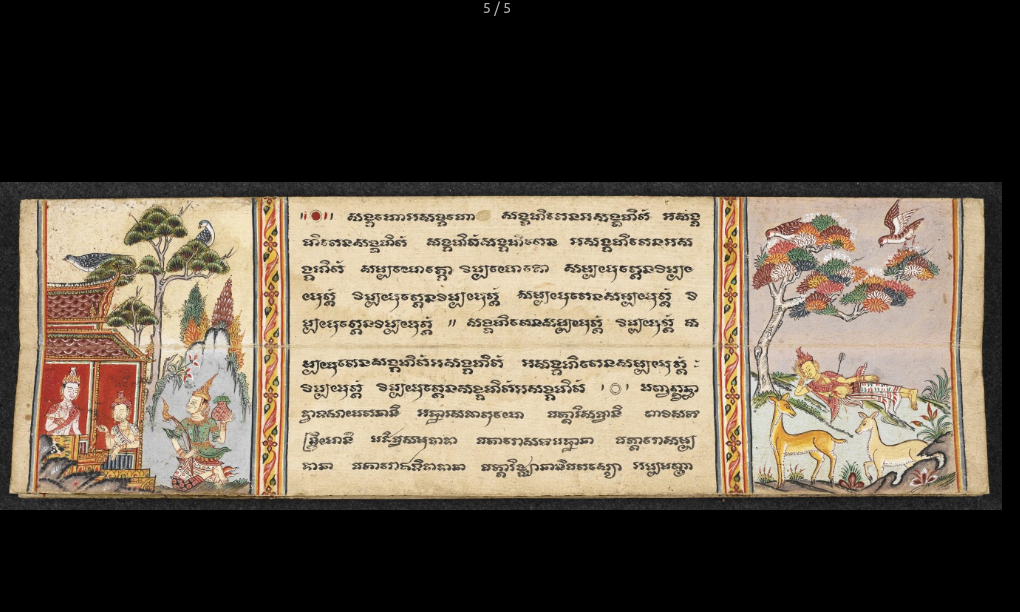
Illustrated palm-leaf manuscript leaf, Khmer/Thai style, showing painted deer and forest scenes – likely a Jātaka narrative panel.
SOURCE STATUS – UNCONFIRMED: needs a verified museum/archive source before use.
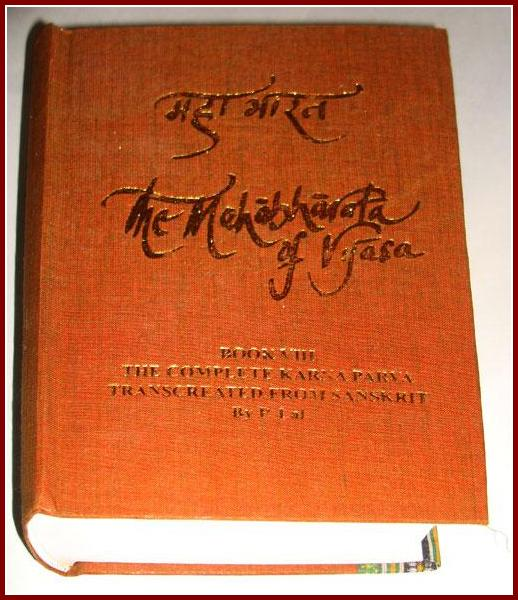
The Mahābhārata (Sanskrit)
Claims it was first recited here, at King Janamejaya’s snake sacrifice, and that Parikshit was crowned at Takshashila.
The Jain Tradition
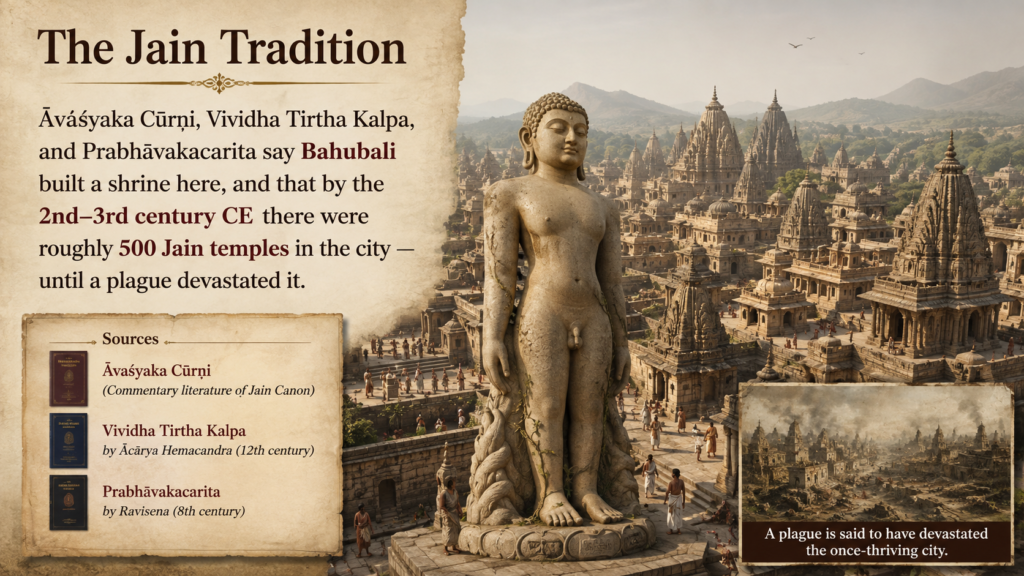
Āvaśyaka Cūrṇi, Vividha Tirtha Kalpa, and Prabhāvakacarita say Bahubali built a shrine here, and that by the 2nd–3rd century CE there were roughly 500 Jain temples in the city – until a plague devastated it.
Arrian’s Anabasis of Alexander (Ancient Greek, written ≈2nd century CE), alongside Diodorus, Curtius, and Plutarch
The odd ones out – the only major sources that aren’t Indian. None of these Greek chroniclers were eyewitnesses; Arrian wrote in the 2nd century CE, the others at various points after Alexander’s death, all compiling from earlier accounts that haven’t survived – so their record is secondhand, not firsthand.
What they describe: Ambhi – whom the Greeks called Taxiles or Taxilas, after his capital city Taxila – ruled the territory between the Indus and the Hydaspes rivers. Rather than simply surrendering on Alexander’s arrival, Ambhi had already sent an embassy offering alliance and support while Alexander was still in Sogdiana, before the Macedonian army ever reached India. When Alexander did arrive in 327–326 BCE, Ambhi met him with gifts, placed his forces at Alexander’s disposal, helped Alexander’s officers bridge the Indus, supplied the army’s provisions, and hosted Alexander’s forces in Taxila itself – an alliance negotiated in advance, likely to strengthen his position against his rival neighbor, Porus.
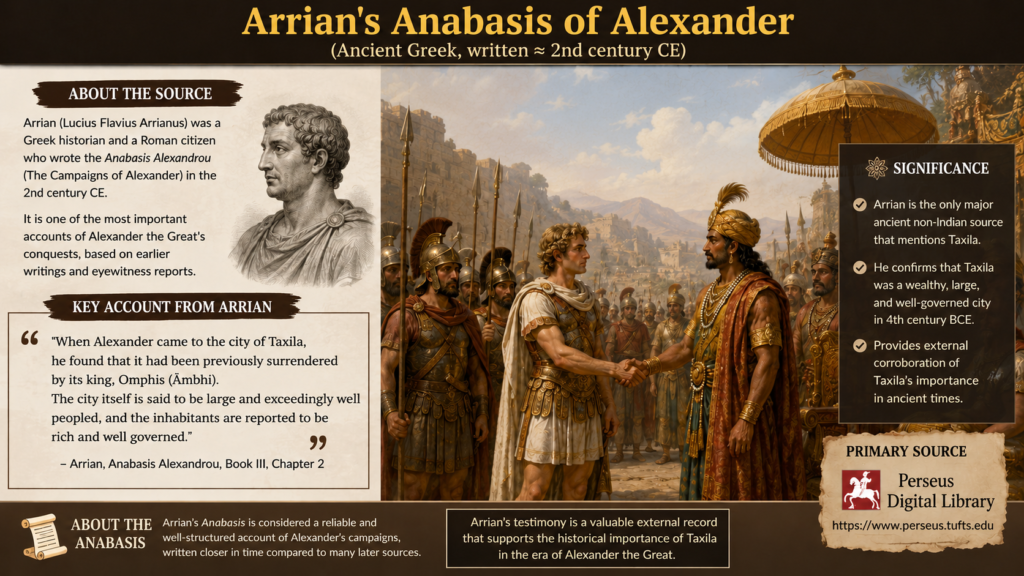
A perspective worth naming: Plutarch is the source usually cited for calling Ambhi a “traitor” for aiding a foreign invader against a fellow Indian king. Some modern writers push back hard on that framing — notably Arun Nigudkar, who argues Ambhi was acting as a shrewd strategist protecting Takshashila, its university, and its people from near-certain destruction by a 120,000-strong army he had no realistic way to repel, not betraying any unified “Indian” identity that didn’t yet exist as a political reality in 326 BCE. This is a modern, non-peer-reviewed reinterpretation published online, and even its own comment discussion disputes some of its specific claims (the Puru–Alexander “monsoon trap” theory, the exact timeline) — so it belongs in the article as one interpretive lens on a genuinely contested question, not as settled fact.
Text of Arrian available via the Perseus Digital Library.
Another source – https://savitri.in/blogs/light-of-supreme/alexanders-invasion-ambhi-was-not-a-traitor-by-arun-nigudkar
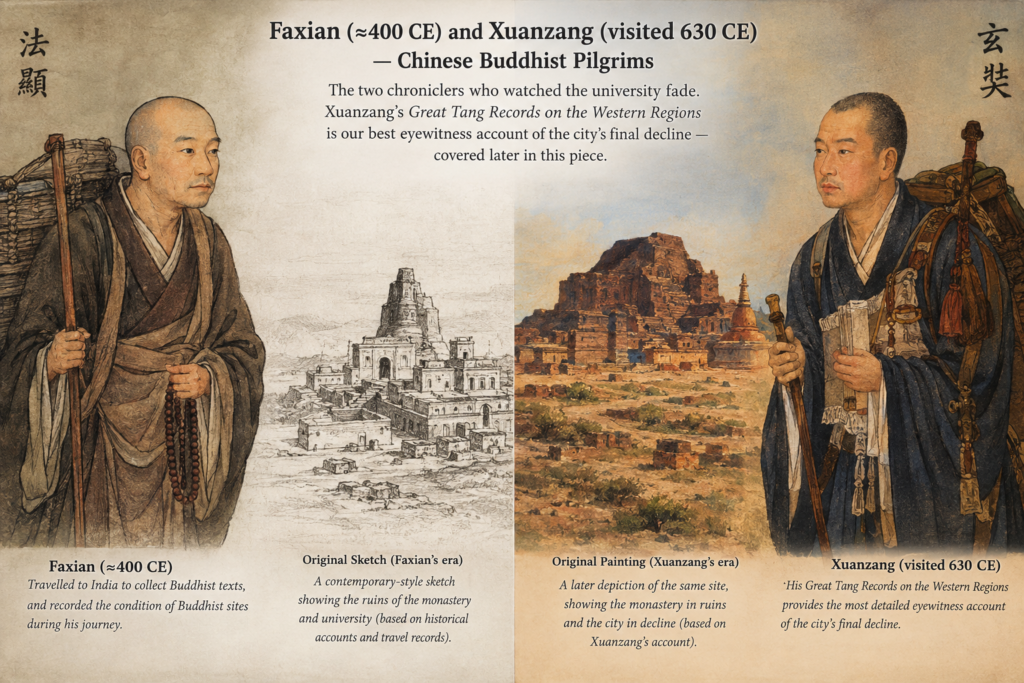
Faxian (≈400 CE) and Xuanzang (visited 630 CE) – Chinese Buddhist Pilgrims
The two chroniclers who watched the university fade. Xuanzang’s Great Tang Records on the Western Regions is our best eyewitness account of the city’s final decline – covered later in this piece.
The single most important nuance missing from most articles on this topic: no surviving ancient text gives a reliable statement like “Taxila University was founded in [X] BCE.” Calling it a “university” in the modern institutional sense is itself contested – the evidence supports a major, organically grown centre of learning built from individual teachers and schools, not one centrally administered institution.
Inside the Classroom – No Syllabus, No Exams, No Degrees
Every teacher ran his own school out of his own house. A student who wanted to study medicine found a physician; a student who wanted law found a jurist. There was no institution above the individual guru.
Students arrived around age 16, after basic learning at home and a stage of ashram schooling. Specializing in a subject typically took about eight years – sometimes longer, sometimes shorter, depending on the student. There were no exams and no graduation ceremony. A teacher simply decided, one day, that a student was ready.
Money barely entered the picture. Knowledge was considered too sacred to sell, so there was no fixed tuition. Wealthy students, often princes, studied by day; poorer students studied by night in exchange for helping run the household. At the end of study, a token of gratitude called gurudakshina was expected – sometimes nothing more than a turban or a pair of sandals. If a poor student couldn’t even afford that, tradition held that the king himself was expected to step in.
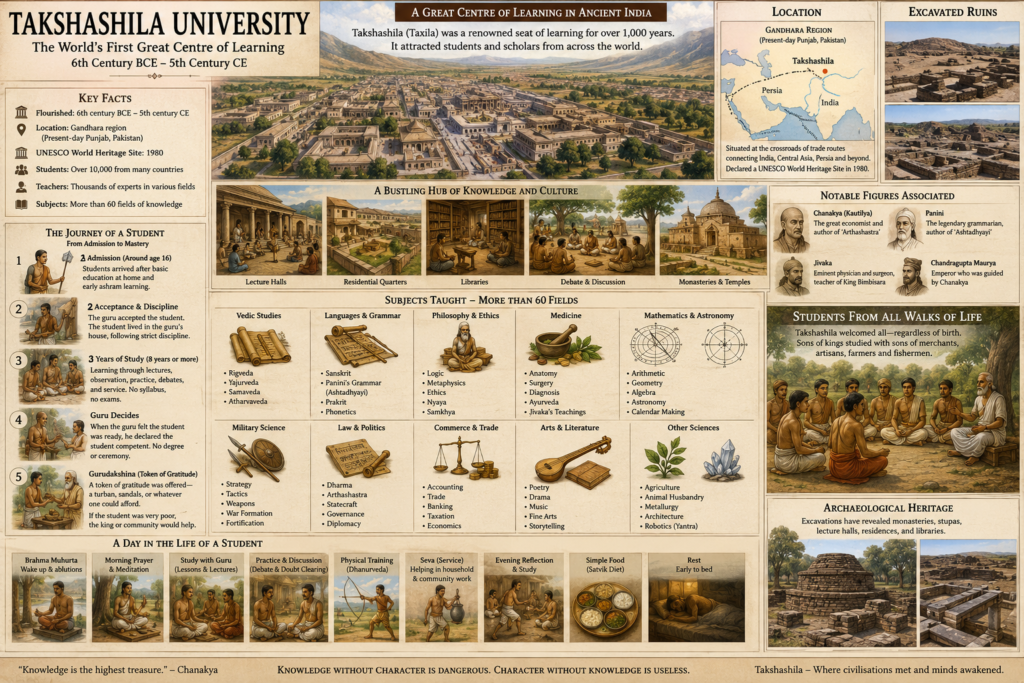
Textual tradition mentions sons of kings studying alongside the sons of merchants, tailors, and fishermen – though this detail comes from later texts describing the tradition, not a contemporaneous enrollment record, so treat it as reflecting the culture’s self-image rather than a verified admissions log.
Visit Indian travel place Drass Village
What They Actually Taught
- The Eighteen Silpas – practical arts and skills, including archery, hunting, and the handling of elephants
- Vedic scripture and philosophy – the foundational religious/philosophical texts of the era
- Law – training future administrators and judges
- Medicine – the Ayurvedic tradition, taught hands-on
- Military science – strategy and statecraft
- Grammar and linguistics – Pāṇini’s own field
- Later, Buddhist philosophy – after Ashoka’s patronage turned the city into a major seat of Buddhist learning, with some traditions connecting it to the early development of Mahāyāna Buddhism
The Teachers – and Their Stories
This is where Takshashila stops being an abstract “ancient university” and becomes a place full of actual people.
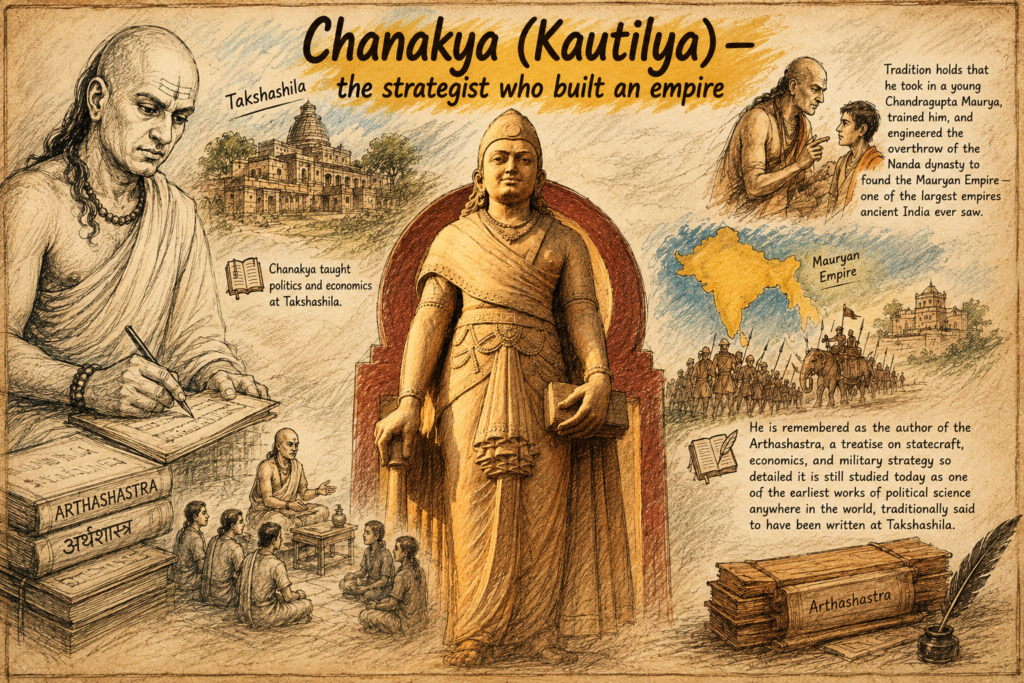
Chanakya (Kautilya) – the strategist who built an empire
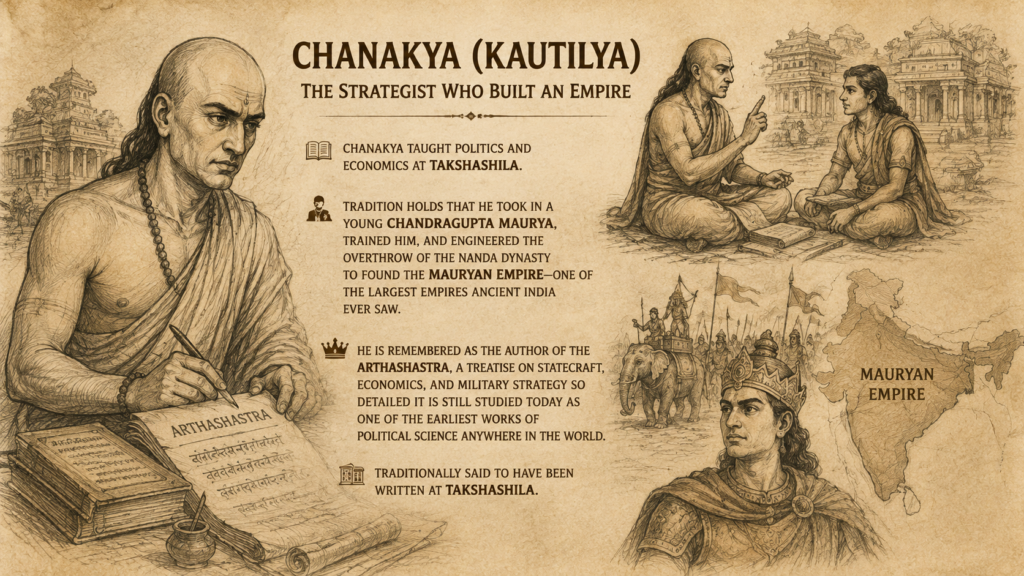
Chanakya taught politics and economics at Takshashila. Tradition holds that he took in a young Chandragupta Maurya, trained him, and engineered the overthrow of the Nanda dynasty to found the Mauryan Empire – one of the largest empires ancient India ever saw. He is remembered as the author of the Arthashastra, a treatise on statecraft, economics, and military strategy so detailed it is still studied today as one of the earliest works of political science anywhere in the world, traditionally said to have been written at Takshashila.
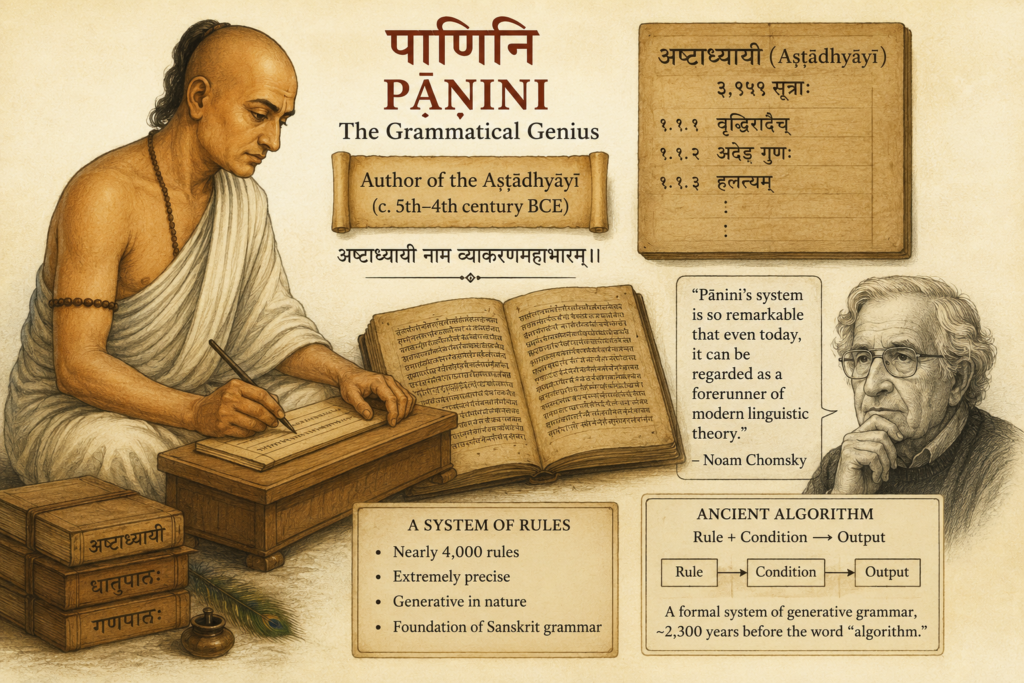
Pāṇini – the grammarian modern linguistics still leans on
Credited with the Aṣṭādhyāyī, a nearly 4,000-rule grammar of Sanskrit written with such precision that modern linguists – including Noam Chomsky – have pointed to it as a forerunner of formal linguistic theory. He built a rule system for generating Sanskrit, roughly 2,300 years before anyone used the word “algorithm.”
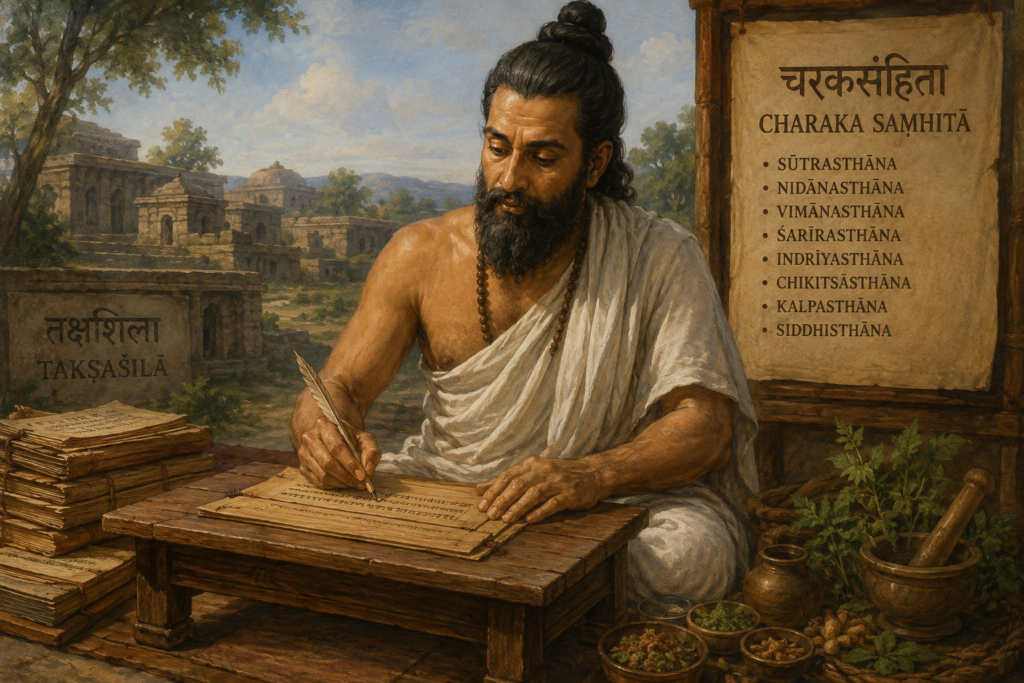
Charaka – the father of Ayurvedic medicine
Studied and later taught medicine at Takshashila. Associated with the Charaka Saṃhitā, one of the foundational texts of Ayurveda, covering diagnosis, treatment, anatomy, and physiology – still one of the two or three most important surviving texts in the Ayurvedic tradition.
Jīvaka – the physician who treated the Buddha
Trained in medicine at Takshashila for what tradition says was seven years. Became court physician to King Bimbisāra of Magadha and is remembered in Pāli texts as the doctor who treated the Buddha himself – one of the clearest examples in the record of a Takshashila-trained specialist going on to hold real influence at a royal court.
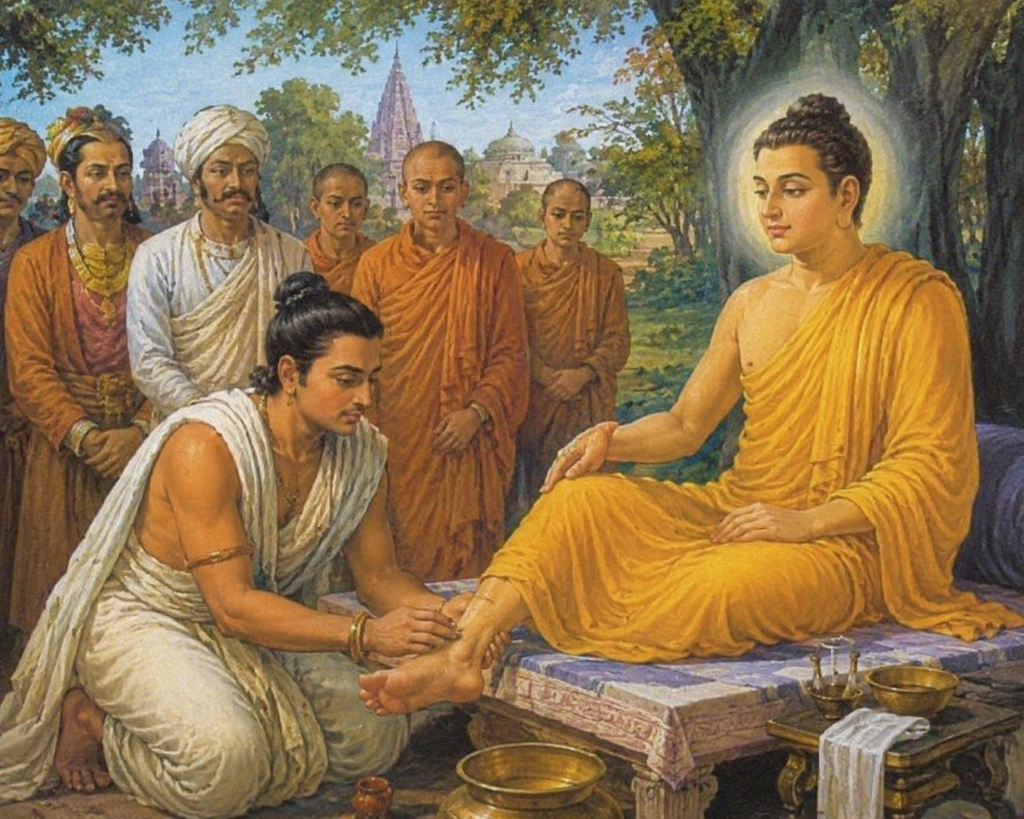
Chandragupta Maurya – the student who became an emperor
Educated in the Takshashila tradition and mentored by Chanakya, Chandragupta went on to found the Mauryan Empire and eventually made the city his own imperial capital for over a century.
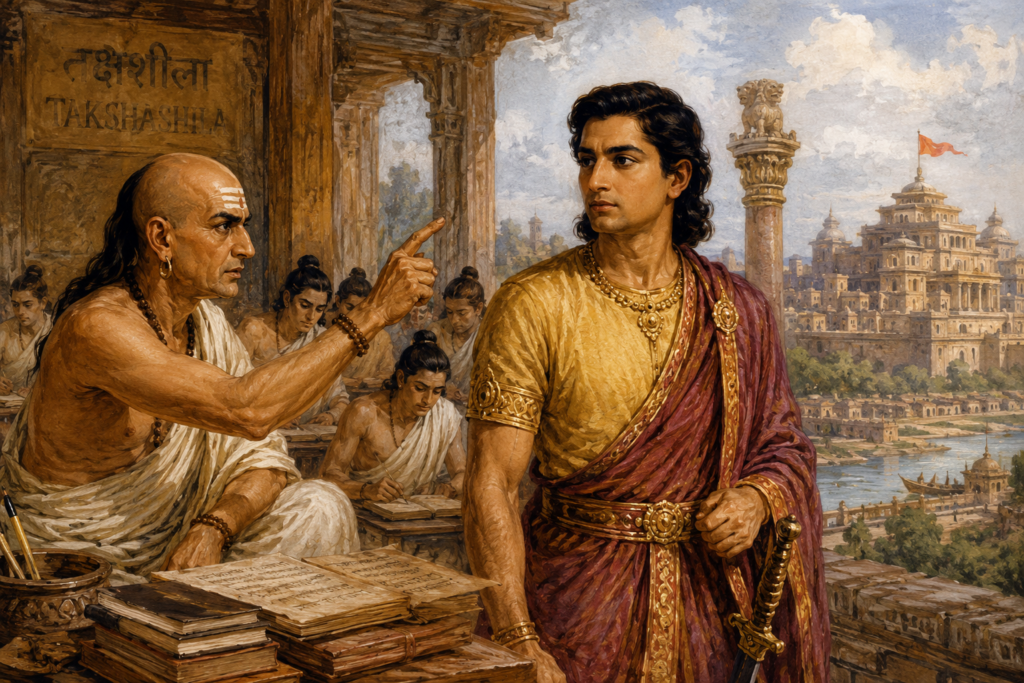
A note on portraits: no contemporary image of Chanakya, Pāṇini, Charaka, or Jīvaka survives from their own era. Every statue or painting of them in circulation today – including any that might be added to this document later – is a much later artistic reconstruction, not a likeness.
Who Actually Studied There
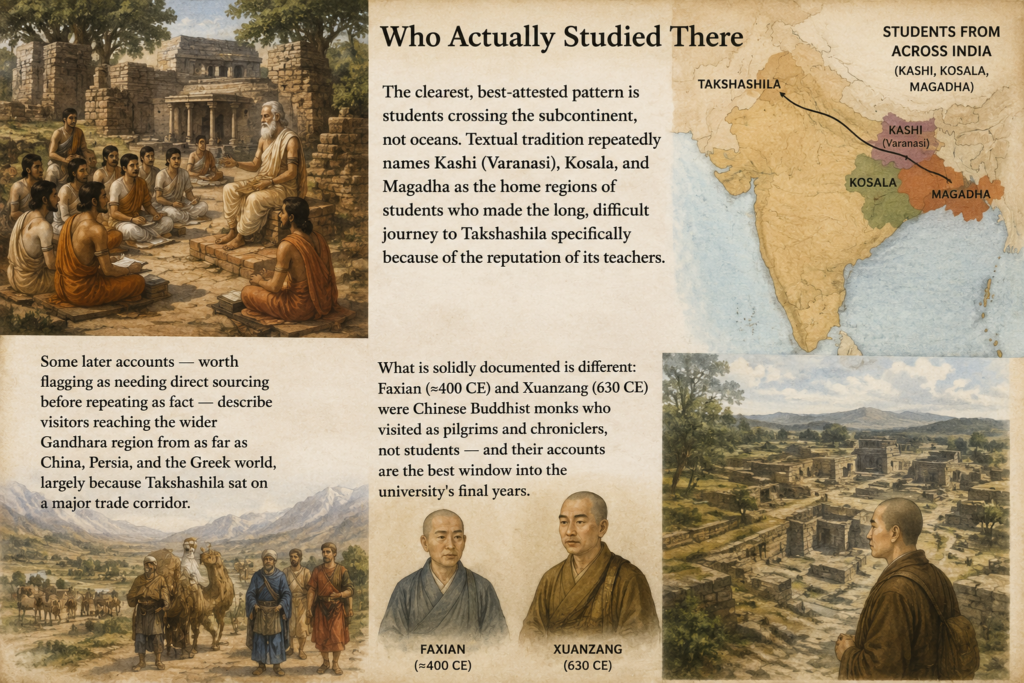
The clearest, best-attested pattern is students crossing the subcontinent, not oceans. Textual tradition repeatedly names Kashi (Varanasi), Kosala, and Magadha as the home regions of students who made the long, difficult journey to Takshashila specifically because of the reputation of its teachers.
Some later accounts – worth flagging as needing direct sourcing before repeating as fact – describe visitors reaching the wider Gandhara region from as far as China, Persia, and the Greek world, largely because Takshashila sat on a major trade corridor. What is solidly documented is different: Faxian (≈400 CE) and Xuanzang (630 CE) were Chinese Buddhist monks who visited as pilgrims and chroniclers, not students – and their accounts are the best window into the university’s final years.
Was It Really a “University”?
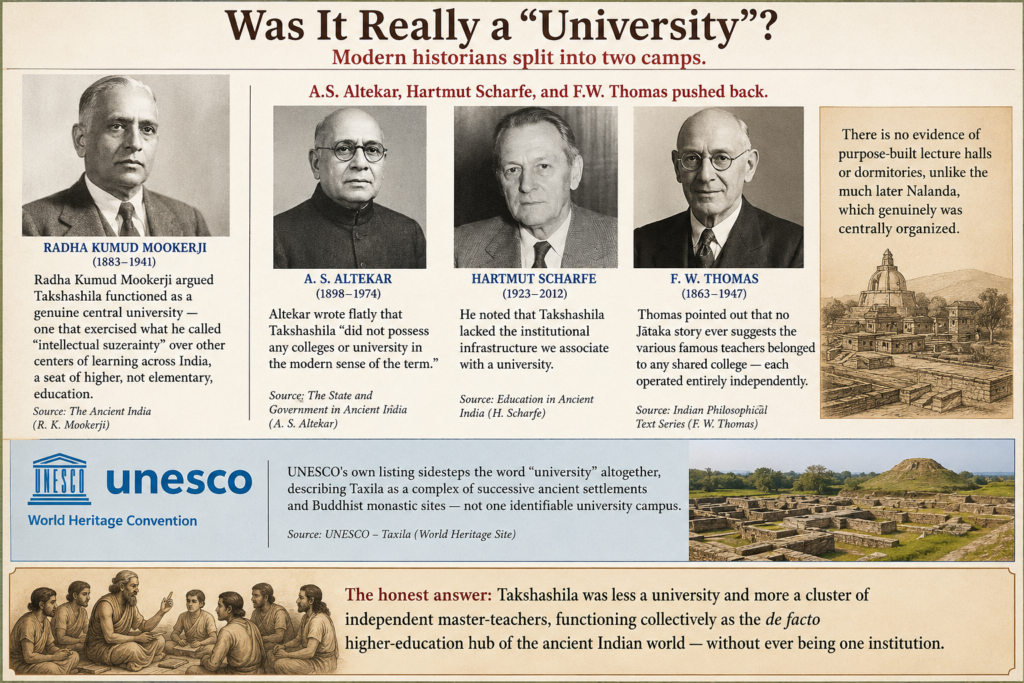
Modern historians split into two camps.
- Radha Kumud Mookerji argued Takshashila functioned as a genuine central university – one that exercised what he called “intellectual suzerainty” over other centers of learning across India, a seat of higher, not elementary, education.
- A.S. Altekar, Hartmut Scharfe, and F.W. Thomas pushed back. Altekar wrote flatly that Takshashila “did not possess any colleges or university in the modern sense of the term.” Thomas pointed out that no Jātaka story ever suggests the various famous teachers belonged to any shared college – each operated entirely independently. There is no evidence of purpose-built lecture halls or dormitories, unlike the much later Nalanda, which genuinely was centrally organized.
UNESCO’s own listing sidesteps the word “university” altogether, describing Taxila as a complex of successive ancient settlements and Buddhist monastic sites – not one identifiable university campus.
The honest answer: Takshashila was less a university and more a cluster of independent master-teachers, functioning collectively as the de facto higher-education hub of the ancient Indian world – without ever being one institution.
How It Ended
The fall was not a single event – it happened in stages.
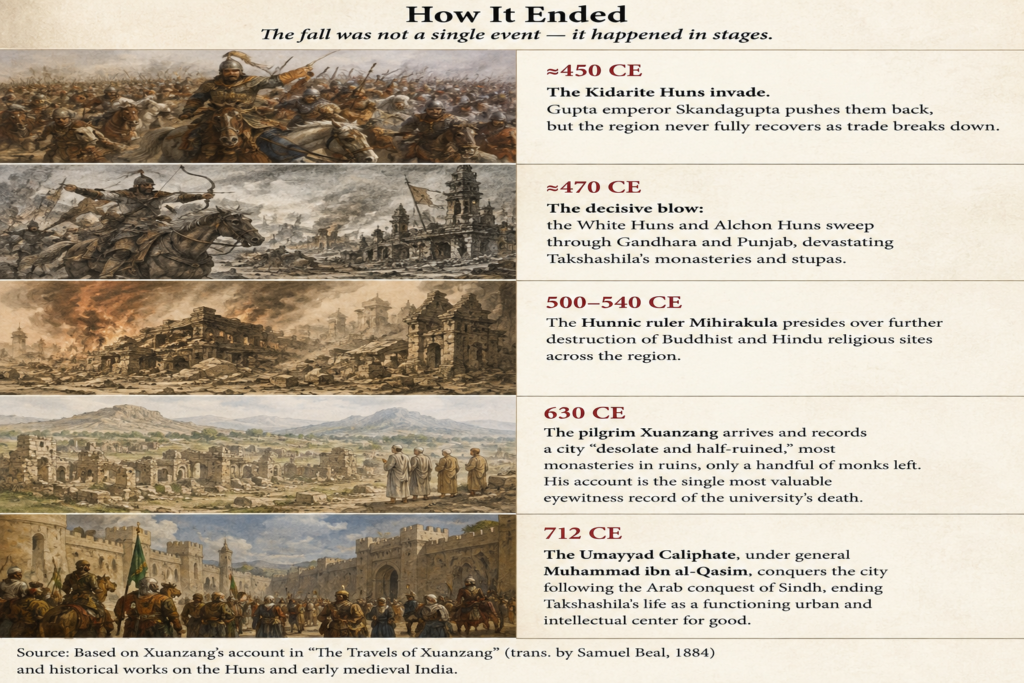
- ≈450 CE – the Kidarite Huns invade. Gupta emperor Skandagupta pushes them back, but the region never fully recovers as trade breaks down.
- ≈470 CE – the decisive blow: the White Huns and Alchon Huns sweep through Gandhara and Punjab, devastating Takshashila’s monasteries and stupas.
- 500–540 CE – the Hunnic ruler Mihirakula presides over further destruction of Buddhist and Hindu religious sites across the region.
- 630 CE – the pilgrim Xuanzang arrives and records a city “desolate and half-ruined,” most monasteries in ruins, only a handful of monks left. His account is the single most valuable eyewitness record of the university’s death.
- 712 CE – the Umayyad Caliphate, under general Muhammad ibn al-Qasim, conquers the city following the Arab conquest of Sindh, ending Takshashila’s life as a functioning urban and intellectual center for good.
Rediscovery
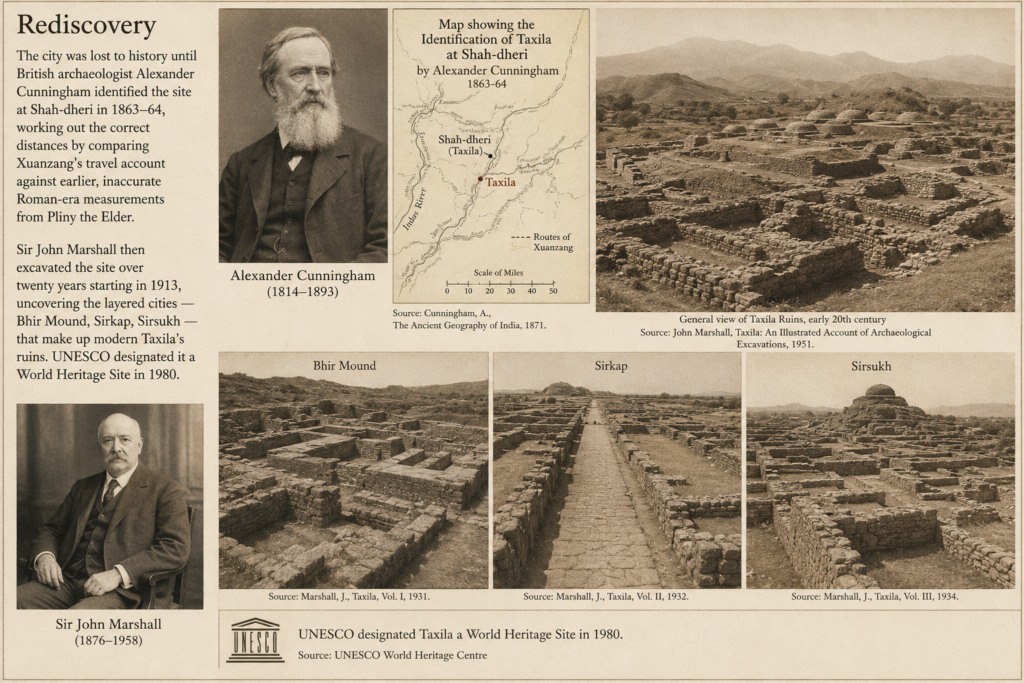
The city was lost to history until British archaeologist Alexander Cunningham identified the site at Shah-dheri in 1863–64, working out the correct distances by comparing Xuanzang’s travel account against earlier, inaccurate Roman-era measurements from Pliny the Elder. Sir John Marshall then excavated the site over twenty years starting in 1913, uncovering the layered cities – Bhir Mound, Sirkap, Sirsukh – that make up modern Taxila’s ruins. UNESCO designated it a World Heritage Site in 1980.
The Books, Gathered in One Place
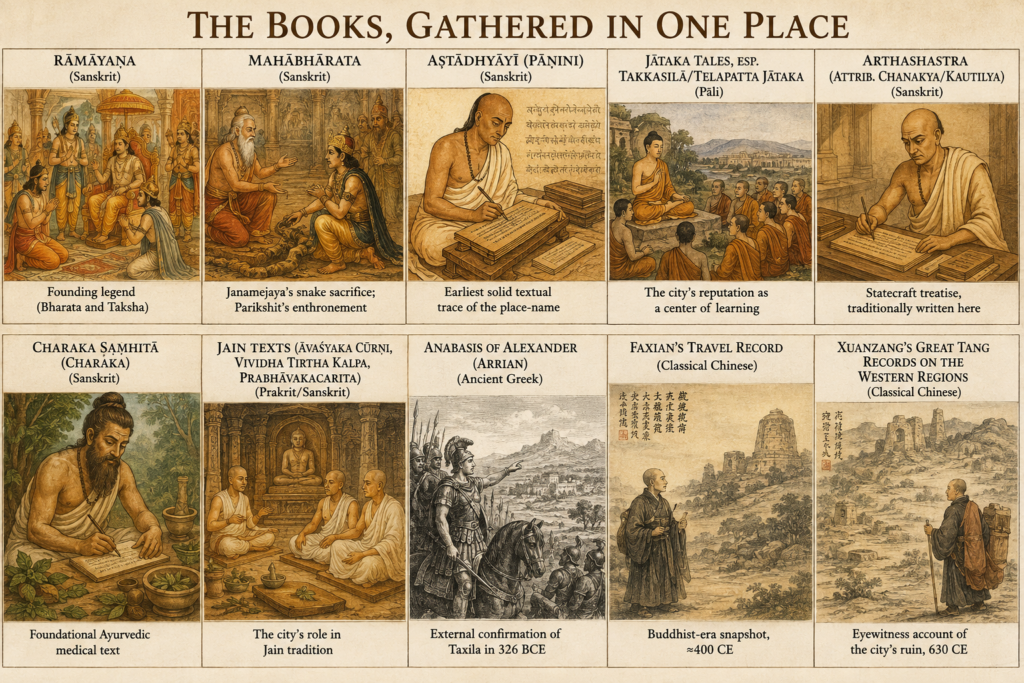
| Text | Language | What it gives you |
| Rāmāyaṇa | Sanskrit | Founding legend (Bharata and Taksha) |
| Mahābhārata | Sanskrit | Janamejaya’s snake sacrifice; Parikshit’s enthronement |
| Aṣṭādhyāyī (Pāṇini) | Sanskrit | Earliest solid textual trace of the place-name |
| Jātaka tales, esp. Takkasilā/Telapatta Jātaka | Pāli | The city’s reputation as a center of learning |
| Arthashastra (attrib. Chanakya/Kautilya) | Sanskrit | Statecraft treatise, traditionally written here |
| Charaka Saṃhitā (Charaka) | Sanskrit | Foundational Ayurvedic medical text |
| Jain texts (Āvaśyaka Cūrṇi, Vividha Tirtha Kalpa, Prabhāvakacarita) | Prakrit/Sanskrit | The city’s role in Jain tradition |
| Anabasis of Alexander (Arrian) | Ancient Greek | External confirmation of Taxila in 326 BCE |
| Faxian’s travel record | Classical Chinese | Buddhist-era snapshot, ≈400 CE |
| Xuanzang’s Great Tang Records on the Western Regions | Classical Chinese | Eyewitness account of the city’s ruin, 630 CE |
Visiting Taxila Today – Practical Travel Information
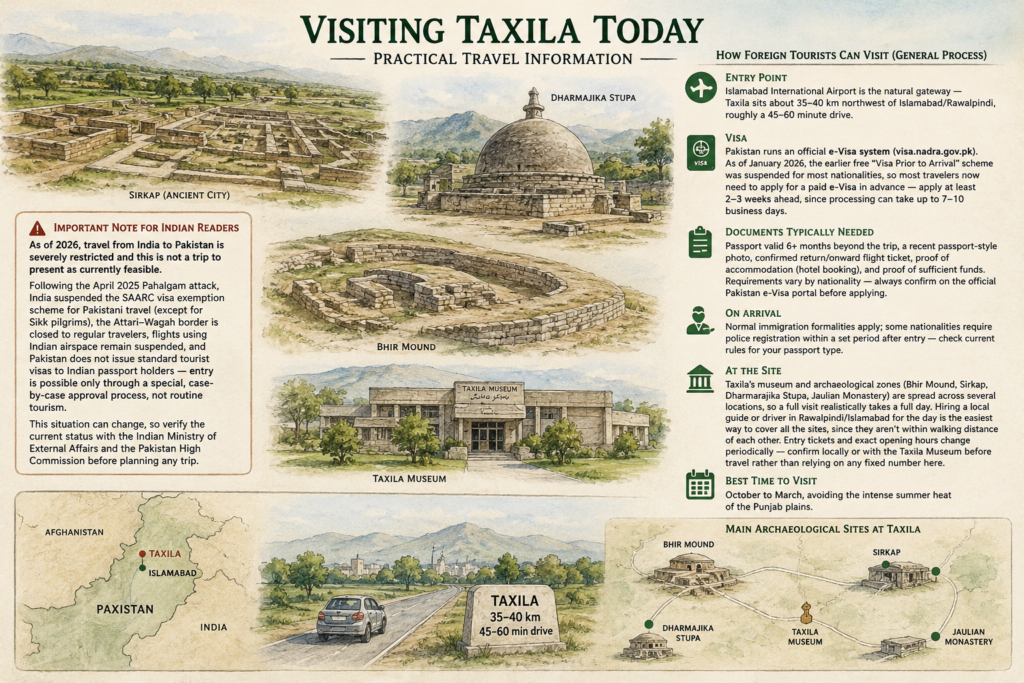
Important note for bharatbhraman.life’s Indian readers: as of 2026, travel from India to Pakistan is severely restricted and this is not a trip to present as currently feasible. Following the April 2025 Pahalgam attack, India suspended the SAARC visa exemption scheme for Pakistani travel (except for Sikh pilgrims), the Attari–Wagah border is closed to regular travelers, flights using Indian airspace remain suspended, and Pakistan does not issue standard tourist visas to Indian passport holders – entry is possible only through a special, case-by-case approval process, not routine tourism. This situation can change, so verify the current status with the Indian Ministry of External Affairs and the Pakistan High Commission before publishing any “how to visit” claim aimed at Indian travelers. Given this, consider running this section for your general/international readers, and pairing the article instead with India-side alternatives for your Indian audience – see the suggestion at the end of this section.
How Foreign Tourists Can Visit (General Process)
- Entry point: Islamabad International Airport is the natural gateway – Taxila sits about 35–40 km northwest of Islamabad/Rawalpindi, roughly a 45–60 minute drive.
- Visa: Pakistan runs an official e-Visa system (visa.nadra.gov.pk). As of January 2026, the earlier free “Visa Prior to Arrival” scheme was suspended for most nationalities, so most travelers now need to apply for a paid e-Visa in advance – apply at least 2–3 weeks ahead, since processing can take up to 7–10 business days.
- Documents typically needed: passport valid 6+ months beyond the trip, a recent passport-style photo, confirmed return/onward flight ticket, proof of accommodation (hotel booking), and proof of sufficient funds. Requirements vary by nationality – always confirm on the official Pakistan e-Visa portal before applying.
- On arrival: normal immigration formalities apply; some nationalities require police registration within a set period after entry – check current rules for your passport type.
- At the site: Taxila’s museum and archaeological zones (Bhir Mound, Sirkap, Dharmarajika Stupa, Jaulian Monastery) are spread across several locations, so a full visit realistically takes a full day. Hiring a local guide or driver in Rawalpindi/Islamabad for the day is the easiest way to cover all the sites, since they aren’t within walking distance of each other. Entry tickets and exact opening hours change periodically – confirm locally or with the Taxila Museum before travel rather than relying on any fixed number here.
- Best time to visit: October to March, avoiding the intense summer heat of the Punjab plains.
Nearby Places Worth Combining with a Taxila Visit
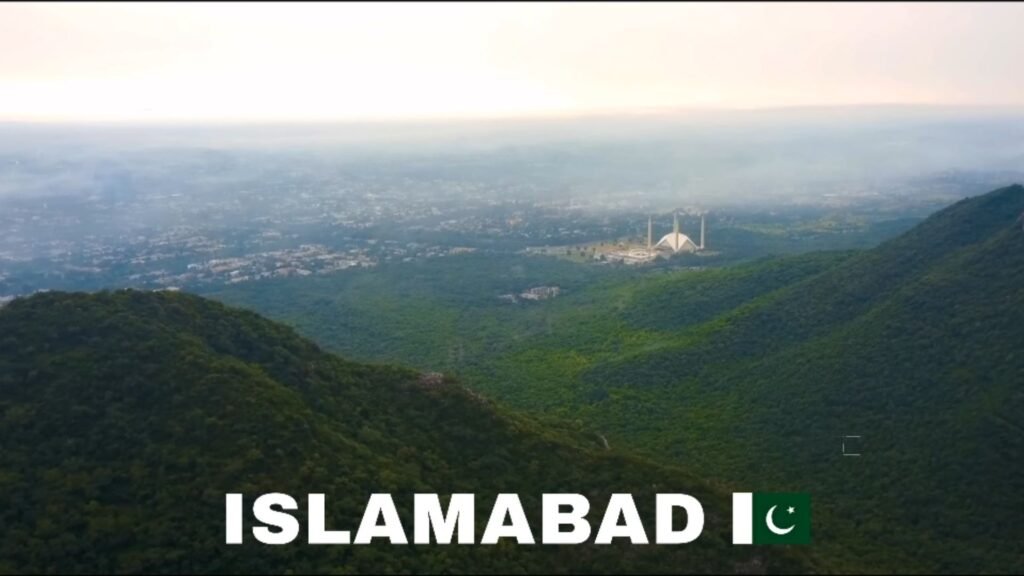
- Islamabad – Pakistan’s capital, about 40 minutes away; Faisal Mosque and the Margalla Hills are the standout stops.
- Rawalpindi – the twin city right next to Islamabad, with its older bazaars (Raja Bazaar) and colonial-era cantonment area.
- Margalla Hills National Park – hiking trails and viewpoints overlooking Islamabad, a short drive from both the city and Taxila.
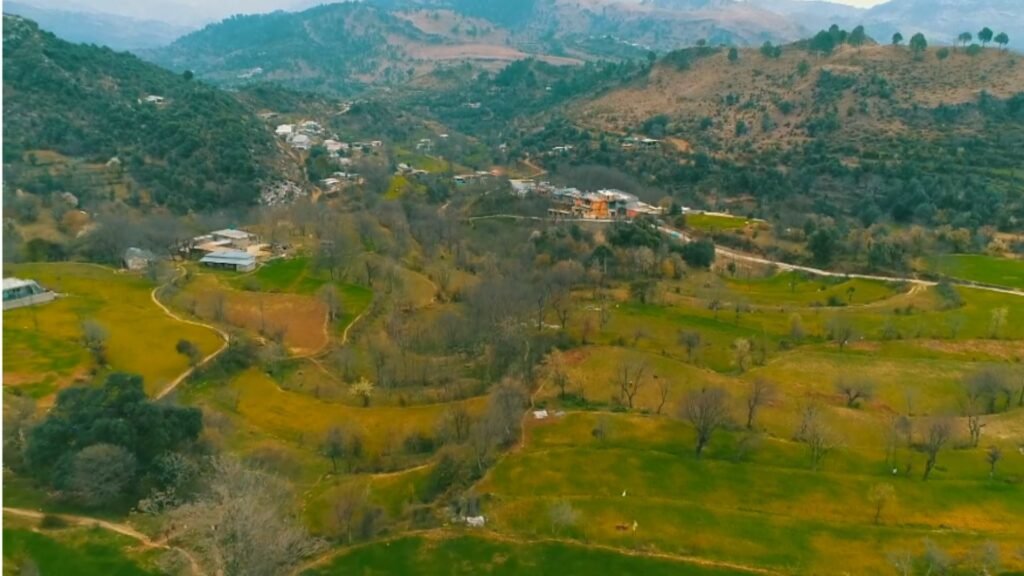
- Peshawar – roughly 2.5–3 hours further west; the historic capital of the wider Gandhara region and a natural extension for anyone specifically chasing Gandharan art and Buddhist heritage, with its own museum holding major Gandhara-era sculpture.
- Murree – a hill station about 1.5–2 hours from Islamabad, a common add-on for travelers wanting a short mountain break alongside the historical sites.
- Taxila Museum – right next to the ruins themselves, and the best starting point for any visit; it holds the bulk of the Gandharan sculpture and artifacts recovered from the site, giving context before walking the ruins.
A Note for Indian Readers – What to Publish Instead, For Now
Since a real Taxila trip isn’t realistic for most of your Indian audience right now, this section could work better reframed as “Walking the ancient learning circuit – from Nalanda to Takshashila”: cover Nalanda (Bihar) and Vikramshila (Bihar) as the fully visitable Indian counterparts to Takshashila – both are real, accessible ruins with museums, and both sit inside India’s own ancient-university story. Takshashila then becomes the piece’s historical anchor and hook rather than a literal travel destination, while the actual “plan your trip” content point readers toward the sites they can genuinely visit today.
- The opening “then and now” illustration is original artwork made for this piece – an imaginative visualization, not a reconstruction based on excavation data or a photograph. Label it as such if published.
- The manuscript images are the screenshots you supplied. Each is marked “SOURCE STATUS – UNCONFIRMED” because they arrived without an origin URL. Please locate the original library/archive link for each before publishing, so real credit lines can be written. Never publish them with an invented source.
- Real photographs of the Taxila ruins and of modern statues of figures like Chanakya were shown earlier in this conversation via live image search, but this tool cannot download third-party images from the open web into a file – the sandbox’s network access is restricted to a small set of software-package domains. If you want those specific photos in the document itself, please save them from the chat and send them back as uploads, and they’ll be embedded with the same source-labeling treatment as the manuscripts above.
Frequently Asked Questions
Who was the founder of Takshila University?
Takshashila had no single founder. It developed organically as a learning hub under the Gandhara kingdom around the 6th century BCE.
Who destroyed Takshila University?
Takshashila was destroyed by Hun (Hephthalite) invasions in the 5th century CE, after earlier damage from Persian and Greek incursions.
Who built Takshila and Nalanda University?
Takshashila grew under Gandhara rulers with no single builder. Nalanda was built by Gupta emperor Kumaragupta I in the 5th century CE.
Is Taxila located in India or Pakistan?
Taxila is in Pakistan, in Punjab province, near Rawalpindi.
Where is Takshila University right now?
Only ruins remain, near Taxila, Pakistan. The site is a UNESCO World Heritage Site.
Is Takshashila University a good university?
The ancient Takshashila no longer functions. If referring to the modern Takshashila Institution (Bengaluru), it’s a respected public-policy think tank and school, not a full university.
Who are some famous alumni of Takshashila University?
Chanakya (Kautilya), Chandragupta Maurya, the grammarian Panini, and physician Charaka are traditionally linked to Takshashila.
What is the world’s top 1 university?
MIT ranks #1 in the QS World University Rankings 2026; Oxford ranks #1 in the THE World University Rankings 2026 – rankings vary by methodology.
What are the 10 oldest schools in the world?
Nalanda, Takshashila, Al-Qarawiyyin, Al-Azhar, University of Bologna, Oxford, Salamanca, Paris, Cambridge, and Padua are commonly cited among the oldest.
Is Oxford older than Cambridge?
Yes. Oxford dates to around 1096; Cambridge was founded in 1209.
Which was the most ancient university?
Nalanda (5th century CE) is widely called the world’s oldest formal residential university; Takshashila is older but was a learning center, not a structured university.
Which is Asia’s No. 1 college?
The University of Hong Kong ranks #1 in Asia per QS Asia University Rankings 2026.
Which degree is No. 1 in the world?
There’s no single “top” degree; rankings vary by field – e.g., US universities lead most QS subject rankings, with Harvard topping the most individual subjects.
Who founded the oldest university?
Nalanda’s founding is credited to Kumaragupta I of the Gupta Empire.
Which one is older, Harvard or Oxford?
Oxford is older. It dates to 1096; Harvard was founded in 1636.
Is Nalanda the oldest university in the world?
Nalanda (5th century CE) is often called the oldest residential university, though Takshashila and some others predate it as learning centers.
What’s harder, Oxford or Harvard?
Both have very low acceptance rates and rigorous academics; difficulty depends on the course and applicant profile rather than one being objectively “harder.”
Which university is Oxford of India?
Delhi University is popularly called the “Oxford of India.”
How much does 4 years at Oxford cost?
For international undergraduates, total costs (tuition + living) typically range from roughly £120,000–£160,000 (about ₹1.3–1.7 crore) for 4 years, depending on course and college.
Is Nalanda older than Oxford?
Yes. Nalanda was founded in the 5th century CE; Oxford dates to around 1096 CE.
What is India’s oldest college?
Presidency University, Kolkata (founded 1817 as Hindu College) is widely considered India’s oldest college.
Who is the top 10 university in India?
Per NIRF 2025: 1) IISc Bengaluru, 2) JNU, 3) MAHE Manipal, 4) Jamia Millia Islamia, 5) University of Delhi, 6) BHU, 7) BITS Pilani, 8) Amrita Vishwa Vidyapeetham, 9) Jadavpur University, 10) AMU.
What is the richest university in India?
BITS Pilani and IITs (especially IIT Bombay, via endowments) are often cited among India’s wealthiest institutions, though exact endowment data is not publicly standardized.
Which city is called Oxford of India?
Pune is popularly called the “Oxford of the East/India” due to its concentration of colleges.
What is No. 1 university?
Globally: MIT (QS 2026) or Oxford (THE 2026). In India: IISc Bengaluru (NIRF 2025, university category).
Which are the top 3 oldest universities in India?
Presidency University Kolkata (1817), University of Calcutta (1857), and University of Mumbai (1857) are among India’s oldest.
Which is older, Nalanda or Takshila?
Takshashila is older, dating to around the 6th century BCE, versus Nalanda’s founding in the 5th century CE.
Is Nalanda the world’s first university?
Nalanda is often called the first true residential university, though it wasn’t the first center of learning — Takshashila predates it.
Which university is 1st rank in India?
Indian Institute of Science (IISc), Bengaluru – NIRF 2025 university category.
Why did Khilji destroy Nalanda?
Bakhtiyar Khilji’s forces destroyed Nalanda around 1193 CE during a military campaign in the region; historical accounts describe it as part of broader invasions rather than a single documented motive.
Who founded the first university in India?
Nalanda, founded by Kumaragupta I in the 5th century CE, is considered India’s first formal university.
Who is the owner of Takshashila University?
The ancient Takshashila had no owner; it was a public learning center under Gandhara rule with no institutional governance in the modern sense.
What is Takshila now called?
The site is still called Taxila, located in present-day Pakistan.
Which king built Nalanda?
Kumaragupta I of the Gupta dynasty.
Who invented Takshila University?
No single inventor; it evolved as a learning hub in the Gandhara region around the 6th century BCE.