


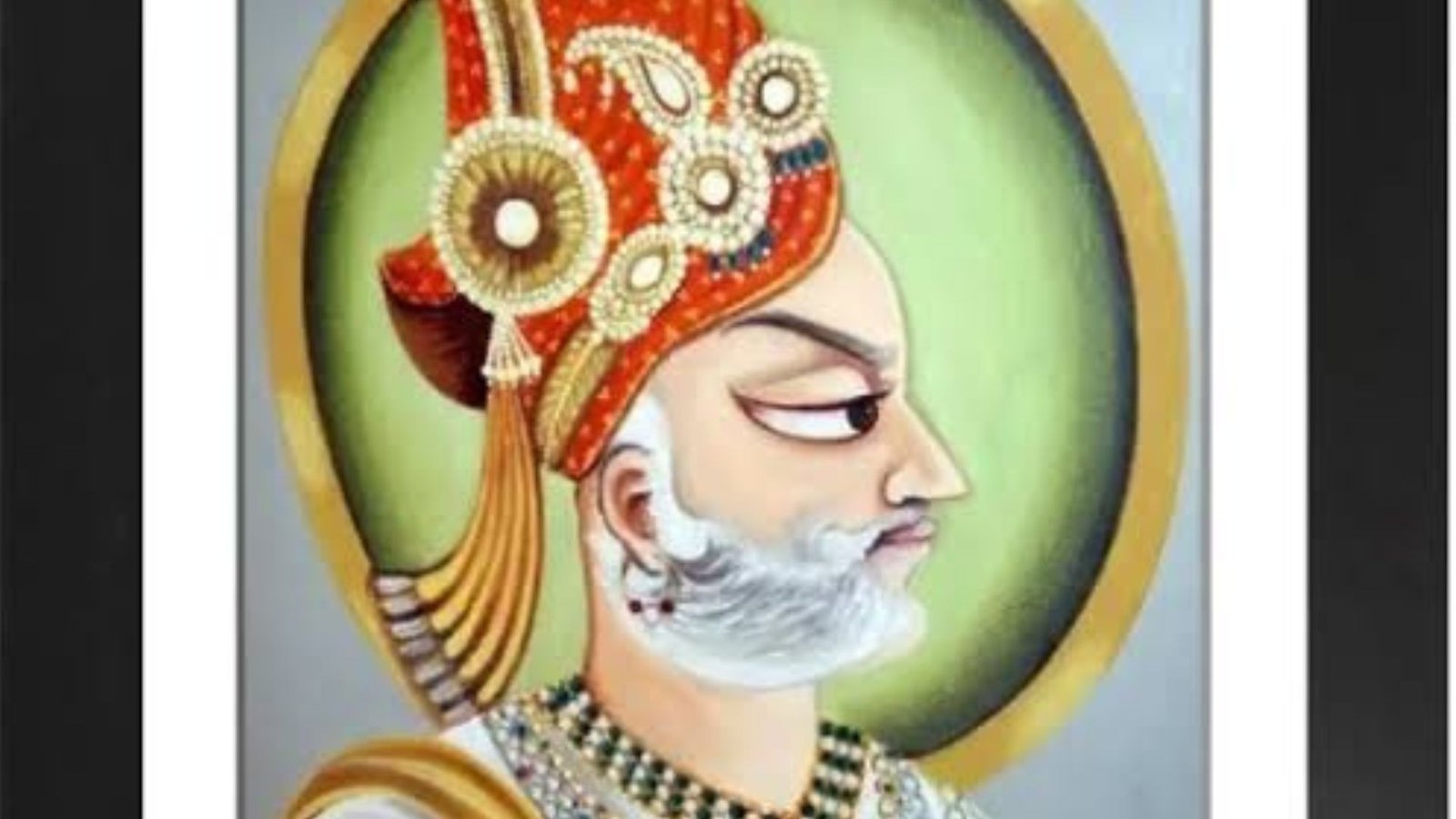
Every golden sandstone wall of Jaisalmer Fort traces back to one man – a 12th-century Rajput king named Rawal Jaisal. If you’ve ever walked through Jaisalmer’s narrow fort lanes and wondered who actually built this “living fort” rising out of the Thar Desert, this is his story – the real, documented history, not the simplified version most travel blogs repeat.
Who Was Rawal Jaisal?
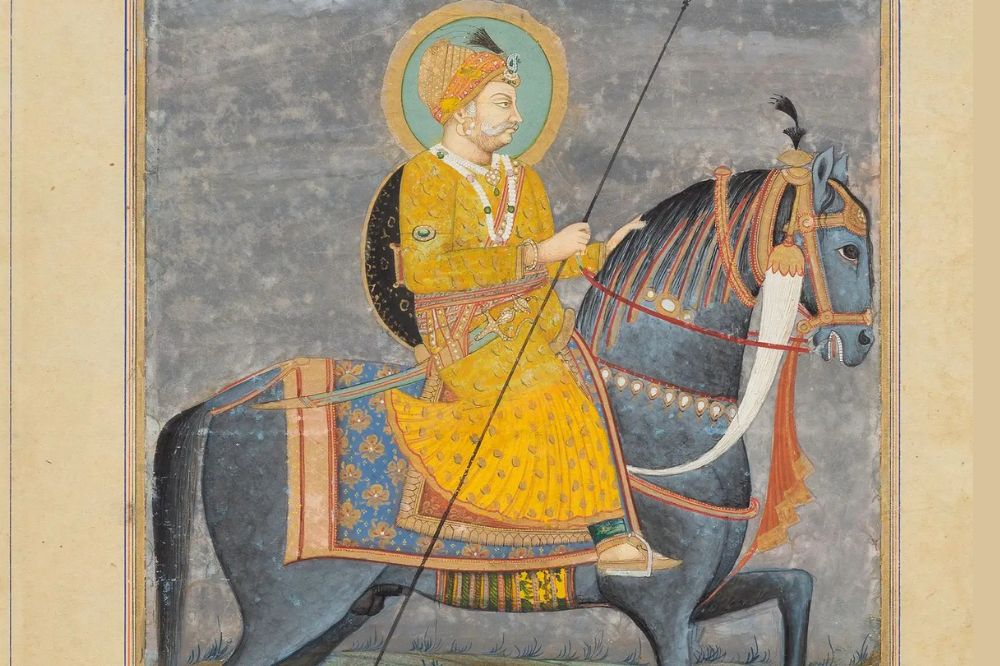
Rawal Jaisal Bhati was a Rajput chief of the Bhati clan, born in 1113 in Lodhruva, the eldest son of Rawal Dusaj, the ruling king of Lodhruva. He belonged to a long line of Bhati Rajputs who trace their ancestry back through the Yaduvanshi lineage. He went on to found the city and fort of Jaisalmer in 1156 AD, ruling as its first Rawal until his death in 1168.
This makes Jaisalmer one of the few Indian cities whose founding date, founder, and reasoning are all reasonably well documented – even if parts of the story have blended history with legend over the centuries.
Planning your own visit? Read our real 3-day Jaisalmer trip story and budget breakdown
How Jaisal Became King
This is the part most tourist guides skip entirely, but it’s central to understanding why Jaisalmer exists at all.
After Rawal Dusaj’s death, the throne of Lodhruva didn’t pass to Jaisal. Instead, his younger uncle took control, and eventually that uncle’s son – Bhojdeo, Jaisal’s own nephew – became the ruling Rawal in 1143. Jaisal wanted the throne for himself, but Bhojdeo was heavily protected by a personal guard of 500 Chaulukya warriors, making a direct attack nearly impossible.
So Jaisal did something unexpected: he allied with the Ghurid dynasty, a Persianate Islamic power, and used their military support to attack his own nephew’s capital. Lodhruva was sacked, Bhojdeo was killed in the battle, and by the end of 1143, Jaisal had taken control as Rawal.
It’s a detail most modern retellings leave out – the founder of Jaisalmer secured his throne through an alliance with an outside power against his own family, not through a simple heroic conquest.
Why Jaisal Chose Trikuta Hill for Jaisalmer
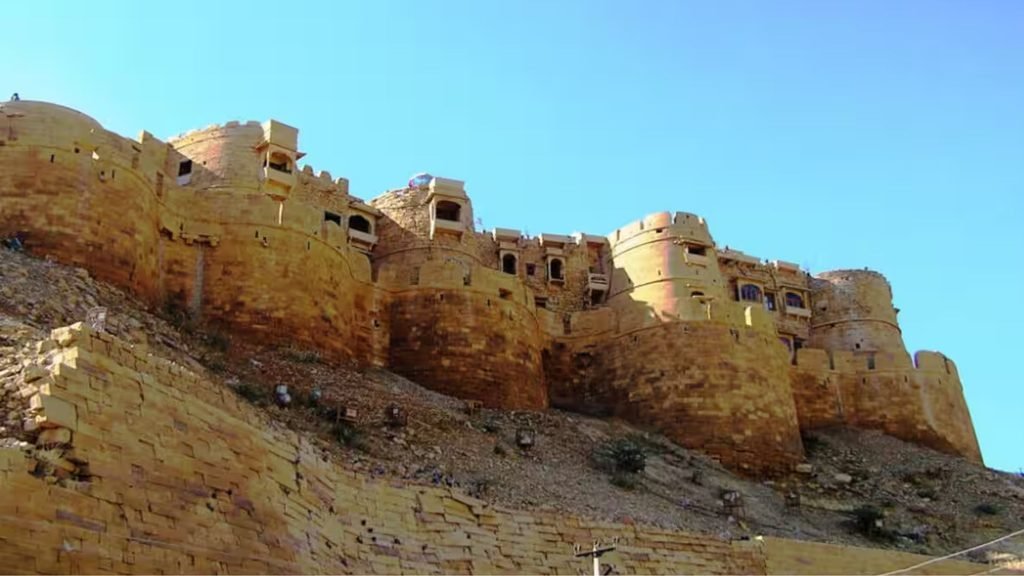
Even after becoming Rawal, Jaisal didn’t stay in Lodhruva. He found the city poorly defended and began looking for a stronger location for his new capital.
According to tradition, in 1156, Jaisal met a hermit named Eesaal, who told him a story from the Mahabharata – that during the Kurukshetra War, Lord Krishna had wandered the desert with Arjuna and prophesied that a fortress would one day be built by a descendant of the Yadu dynasty atop a triple-peaked desert hill. That hill was Trikuta Hill – the very spot where Jaisalmer Fort stands today.
Beyond the legend, there was also a very practical military reason: Trikuta Hill offered natural protection from rival Bhati factions and from Muslim forces beginning to move into the Thar Desert region. Jaisal began construction of Jaisalmer Fort that same year, and the city’s name itself comes from combining “Jaisal” with “Meru” – a sacred mountain in Hindu, Jain, and Buddhist cosmology.
Jaisal’s Death and the Fort He Never Saw Finished
Rawal Jaisal died in 1168, just 12 years after founding the city. What’s often left out of the tourist-brochure version of this story is that Jaisalmer Fort wasn’t even complete when he died – construction continued for three more years and was finally finished in 1171 under his son and successor, Salbahan II, who also became known for encouraging the arts within the kingdom.
The Bhati Dynasty After Jaisal – An 850-Year Legacy
What makes this story genuinely remarkable is how long Jaisal’s line continued to rule. His descendants governed Jaisalmer as Rawal, and later as Maharawal, all the way until India’s independence in 1947 – an unbroken royal lineage spanning nearly 850 years. In 1818, the kingdom formally became Jaisalmer State, a princely state under British India.
Even today, the Bhati royal line continues in a ceremonial capacity. The line runs through rulers like Rawal Jethsi, who famously faced an eight-year siege by Sultan Alauddin Khilji of Delhi around 1294 – a siege remembered for the tragic jauhar performed by the women of the fort when defeat seemed certain – right through to the current titular head of the family, Maharawal Chaitanya Raj Singh, born in 1993.
Royal titles were officially abolished across India in 1971 following the 26th Amendment to the Constitution, but the historical lineage and its legacy remain very much part of Jaisalmer’s identity today.
The Punjab Connection
Here’s a detail that will especially interest travelers from Punjab and Chandigarh: Jaisal is also claimed as an ancestor of the Phulkian dynasty – the royal families of Patiala, Nabha, Jind, Kapurthala, and Faridkot – through his younger son, Hem. So in a strange historical twist, the founder of the golden desert city of Jaisalmer shares a bloodline claim with some of Punjab’s own royal families.
Legend vs. History: What’s Verified and What’s Traditional Lore
It’s worth being upfront about something most articles on this topic gloss over: the exact Bhati genealogy before the 12th century is considered approximate and poorly dated by historians, with only a handful of names reliably tied to verifiable events. The core facts about Jaisal – his birth year, his conflict with Bhojdeo, the founding of Jaisalmer in 1156, and his death in 1168 – are well documented. But some of the more elaborate stories, such as detailed accounts of a grand Vishnu temple he supposedly built, or embellished tales of him personally defeating rival tribes to “claim” the land, appear in informal community and travel-blog sources without solid historical backing, and shouldn’t be treated as confirmed fact.
The Krishna/Trikuta Hill prophecy story, similarly, is a traditional legend passed down through generations – a meaningful part of local culture and identity, but not something historians present as verified history.
FAQs About Rawal Jaisal and Jaisalmer’s History
Who founded Jaisalmer?
Rawal Jaisal Bhati, a 12th-century Rajput ruler of the Bhati clan, founded Jaisalmer in 1156 AD.
When was Jaisalmer founded?
Jaisalmer was founded in 1156 AD, though construction of Jaisalmer Fort wasn’t completed until 1171, after Jaisal’s death.
Why is it called Jaisalmer?
The name combines “Jaisal,” after the founder Rawal Jaisal, with “Meru,” a sacred mountain in Hindu, Jain, and Buddhist cosmology.
Is the royal family of Jaisalmer still around today?
Yes. While royal titles were officially abolished in India in 1971, the Bhati lineage continues today, with Maharawal Chaitanya Raj Singh (born 1993) as the current titular head of the family.
What clan did Rawal Jaisal belong to?
He belonged to the Bhati Rajput clan, part of the broader Yaduvanshi lineage.
Final Thoughts
Rawal Jaisal’s story is more than a plaque outside a fort – it’s a genuinely dramatic piece of history involving a fight for succession, an unlikely alliance, a desert prophecy, and a dynasty that outlasted almost every other Rajput kingdom in the region. The next time you walk through Jaisalmer Fort’s golden walls, you’re walking through nearly 870 years of continuous history that started with one king’s decision to build on a hill in the middle of the Thar Desert.
Sources & Further Reading
- Wikipedia – Rawal Jaisal (primary factual reference, cited/referenced entry)
- HistoryFiles.co.uk – Kingdoms of South Asia: Jaisalmer (full dynasty timeline)
- Bhatia Community Encyclopedia (traditional/community account, referenced for legend context only, not verified history)