






If you’ve driven between Delhi and Jaipur more than once, there’s a fair chance you’ve passed within fifteen kilometres of Chand Baori without having any idea it was there. Most people do. The turning isn’t anything special, the village road after it is narrow and a bit bumpy, and the stepwell itself sits behind a plain boundary wall, the sort you’d find around any small-town government office.
But once you enter the gate, the view changes completely.
Inside there is a big square well going deep into the ground. On three sides you can see small steps going down in a zigzag pattern, level after level, 13 levels in total, till the green water at the bottom. Local people say there are 3,500 steps. A couple of guidebooks say a little over 3,000. As far as anyone knows, nobody has sat down and counted them one by one, and frankly it doesn’t matter much, because it isn’t the number that stops you in your tracks. It’s the pattern.
Chand Baori is located in Abhaneri village of Dausa district in Rajasthan. It is more than 1,000 years old. In this guide we have covered its history, the local stories, what to see there and how you can plan the trip from Delhi without wasting too much time on the road.
Explore the Best Places to Visit in Jaisalmer
Discover golden forts, beautiful desert landscapes and unforgettable experiences with this 3-day Jaisalmer travel guide.
Explore Jaisalmer Now →Quick Facts About Chand Baori
| Detail | Information |
| Location | Abhaneri village, Dausa district, Rajasthan |
| Built | Around the 8th–9th century CE |
| Credited to | Raja Chanda of the Nikumbh clan (local tradition) |
| Levels | 13 |
| Steps | Approximately 3,500 |
| Depth | Around 20 metres (some sources say more) |
| Right next door | Harshat Mata Temple |
| Nearest railway station | Bandikui Junction |
| From Jaipur | About 90 km |
| From Delhi | Roughly 230–250 km, depending on route |
Why Would Anyone Build Something Like This?
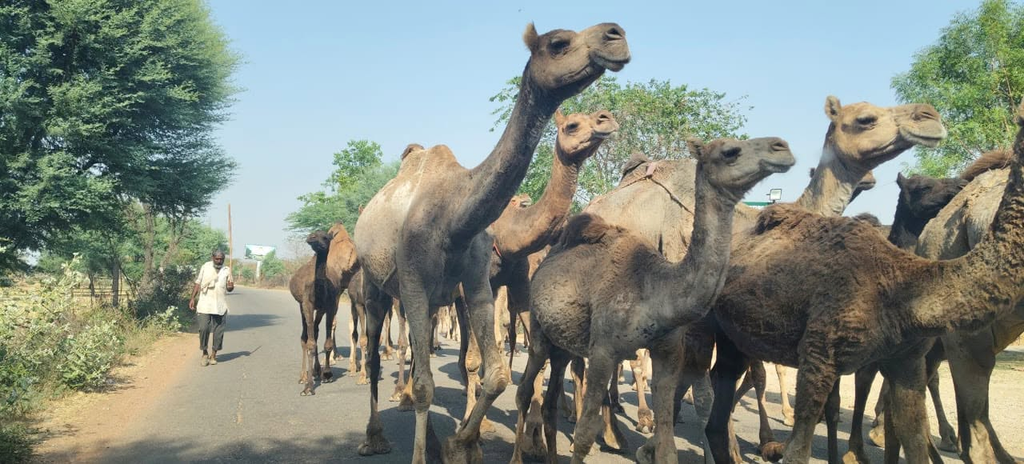
This part of Rajasthan does not get much rain. Most of it comes in the monsoon months, from July to September, and after that it stays dry for a long time. In the old days there were no handpumps or borewells, so villages had to save rainwater and use it for the rest of the year.
That’s what stepwells did (they’re called baori in Rajasthan and vav over in Gujarat). Rain and groundwater collected in the deep shaft, and as the level dropped through winter and into summer, people just walked down a bit further to reach it. No rope. No bucket on a pulley. More steps.
There’s a side benefit people tend to underestimate. Down at the lower levels it stays a lot cooler than up at ground level, and in a place where May afternoons can go past 45°C, that counts for something. So the baori doubled up as the spot where people sat, chatted, rested during the worst of the heat and held small ceremonies. So it was not only a place to get water. It was also a place where people used to meet and sit together.
Who Built It, and When?
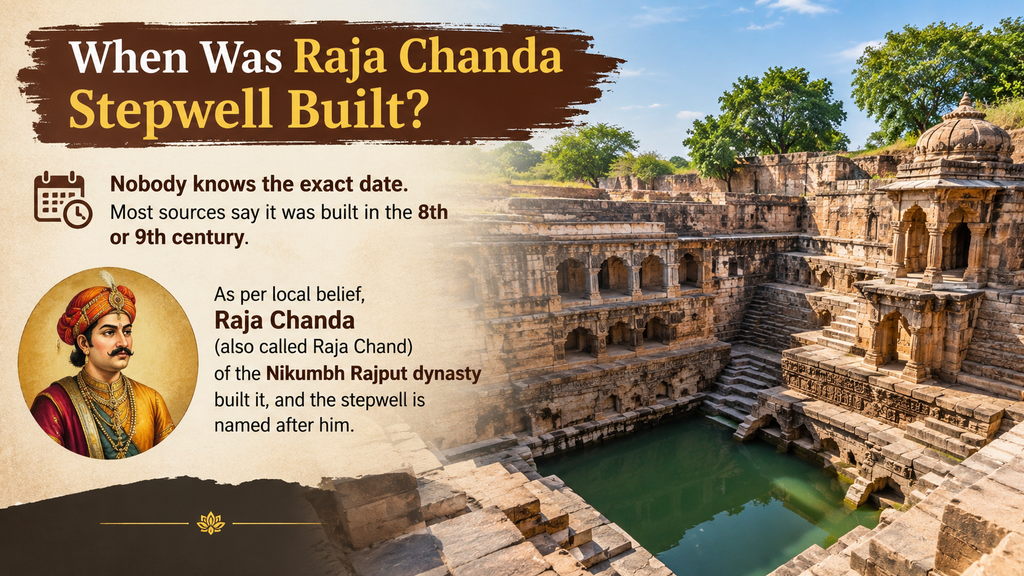
Nobody knows the exact date. Most sources say it was built in the 8th or 9th century. As per local belief, Raja Chanda (also called Raja Chand) of the Nikumbh Rajput dynasty built it, and the stepwell is named after him.
There is a story about the village name also. People say Abhaneri was earlier called Abha Nagri, which means city of light. Slowly the name changed to Abhaneri. We can’t say for sure if this is true. But in the evening, when sunlight falls on the stone steps, the place really does look golden.
Worth knowing, too, that not everything at the site is the same age. The steps and the main shaft are the old part. The galleried pavilion running along one side, with its rooms, arches and small balconies, was added much later, during the Mughal period. Once someone points out the change in style, you can’t stop seeing it.
What You Are Actually Looking At
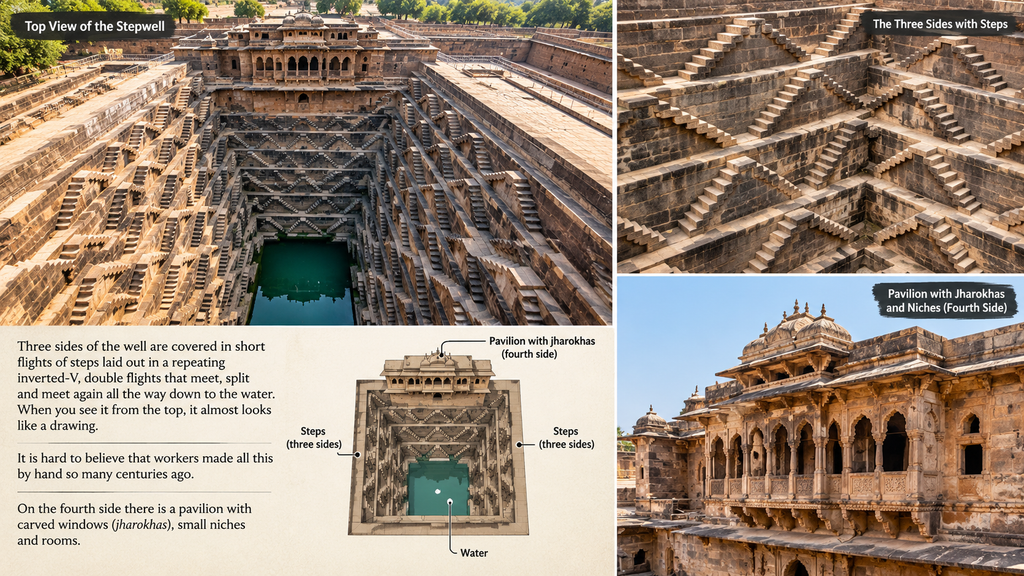
Three sides of the well are covered in short flights of steps laid out in a repeating inverted-V, double flights that meet, split and meet again all the way down to the water. When you see it from the top, it almost looks like a drawing. It is hard to believe that workers made all this by hand so many centuries ago.
On the fourth side there is a pavilion with carved windows (jharokhas), small niches and rooms.
Also take a walk in the corridors around the well before you leave. Old carved stone pieces are lined up along the walls there: deities, figures, fragments of temple decoration, many of them thought to have come from the temple next door. Loads of visitors never notice them because they head straight for the railing, take their photo and go back to the car park. Give it twenty minutes instead.
The Stories You Will Hear
Every guide at Abhaneri has a favourite. The most common one says the whole baori was built in a single night, by ghosts or djinns depending on who’s telling it. A slightly creepier version claims that if you go down one set of steps, you’ll never manage to come back up the same set, because the flights look so alike you’d lose track of where you started. A few older people in the area will also tell you the water once had healing powers.
None of it is history, obviously. Ask anyway. Half the charm of the place is hearing three different people give you three different versions, each with total confidence.
Don’t Skip the Harshat Mata Temple
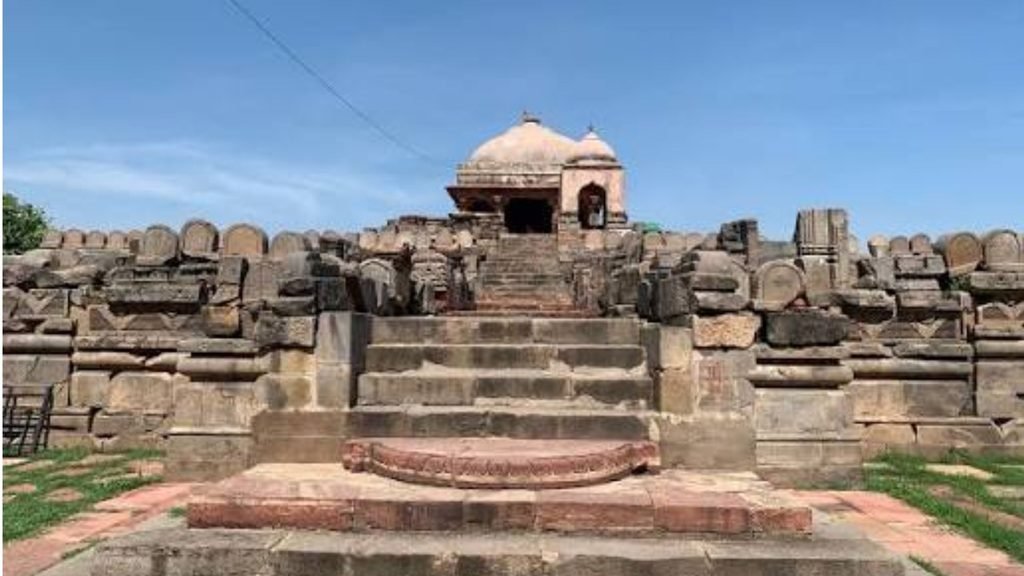
It’s right beside the stepwell, a two-minute walk at most, and a surprising number of visitors miss it completely. The temple is dedicated to Harshat Mata, a goddess linked with joy and happiness, and it’s believed to be roughly as old as the baori. Much of the original structure was damaged centuries back, so what stands today is part original carving and part later restoration, but the sculpture around the base and outer walls is lovely and deserves a slow walk round. Shoes come off at the entrance, so sandals make life easier.
Yes, It’s Been in the Movies
If the place looks oddly familiar, you’ve probably seen it on screen. Chand Baori turns up in Tarsem Singh’s The Fall (2006) and in Christopher Nolan’s The Dark Knight Rises (2012), and Hindi film fans will remember it from Bhool Bhulaiyaa. Those films did a lot to put a tiny village in Dausa on the map for foreign travellers.
No, You Can’t Walk Down the Steps
This catches plenty of people off guard. Visitors aren’t allowed down to the water any more; there are railings, and you see the well from the top level and the galleries. Some people grumble about it. The best view is from up there anyway, though, since it’s the only place you can take in all thirteen levels at once.
Getting to Chand Baori from Delhi
By train
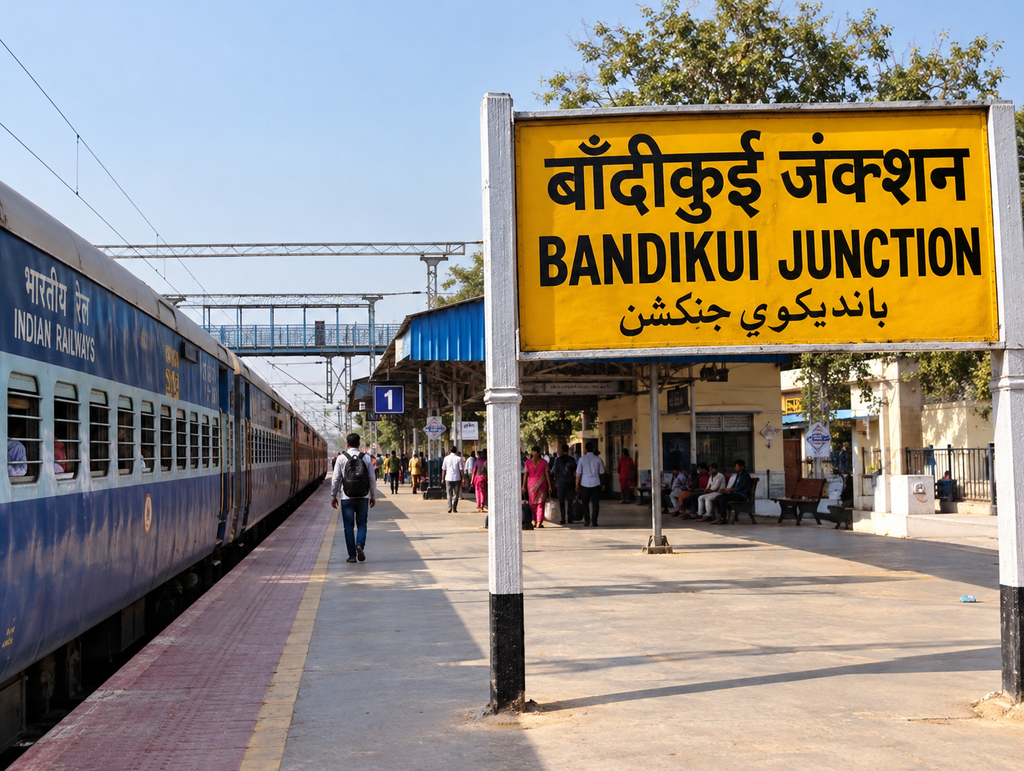
The closest station is Bandikui Junction, just a few kilometres from Abhaneri, and a fair number of Delhi–Jaipur trains stop there. Reaching Bandikui isn’t the hard part. Getting from the station to the stepwell is, and getting back again later in the day, when autos start thinning out, can be a proper headache.
By bus
Technically doable. Buses on the Jaipur–Agra road can drop you near the turning, and after that you’re on your own with shared jeeps or autos into the village. If you’re young, travelling light and in no hurry, fine. With elderly parents or small kids in tow, I really wouldn’t.
By car

This is how most people do it, and it’s easily the least stressful option. The Delhi–Mumbai Expressway has reduced the travel time a lot. You can take the exit near Bandikui and the village is not far from there. From Delhi it takes around 4 to 5 hours, but it depends on traffic and which area of Delhi you start from.
The last stretch is narrow village roads with very few signboards, and Google Maps has a habit of sending people round in a loop. A driver who’s done the route before is worth a lot at this point. If you’re travelling with a car rental delhi company, ask them upfront whether their drivers regularly cover the Agra–Jaipur side, because someone who already knows the way to Abhaneri will save you the classic forty-minute mistake of missing the turning and doubling back.
Three Ways to Fit Abhaneri Into Your Trip
On the way to Jaipur
For most travellers this is the best plan. Start from Delhi early, around 6:30 or 7 AM, and you will reach Abhaneri by 11. Spend one hour at the stepwell and the temple, have lunch at a dhaba on the highway, and you can reach your Jaipur hotel by 3 or 4 PM. No need to come back the same way.
On a Golden Triangle tour
On the Agra to Jaipur day, Abhaneri is not far from the route. Many tourists visit Fatehpur Sikri in the morning, Abhaneri in the afternoon and reach Jaipur by evening. It is a long day, but you cover three places. Tell your driver about Abhaneri at the time of booking so he can plan the timings.
As a day trip from Delhi

You can do it, but it is tiring. The drive is 8 to 9 hours both sides and you will spend only around one hour at the stepwell. If you still want to do it, leave Delhi by 6 AM. You can also add Bhangarh Fort, which is about 1.5 hours away, to make the trip more worth it.
Before confirming any booking, check the quote properly. Pricing varies a lot between car rental services in Delhi: some charge per kilometre, some per day, some give one all-in figure, and the driver’s food and night stay, tolls, parking and Rajasthan’s state entry tax may or may not be included. Type ‘book car on rent Delhi’ into Google and you’ll get pages and pages of options, but the cheapest headline rate very often turns out not to be the cheapest trip once the extras pile up.
A Few Practical Things
Timings. Generally sunrise to sunset. Go in the morning if you possibly can; the light’s softer and the tour buses haven’t shown up yet.
Entry fee. What you’ll read online is all over the place. Some websites say entry is free, others mention a ticket of around ₹25 for Indians and ₹300 for foreign visitors. Check the current rate with the Archaeological Survey of India before you go, and carry a bit of cash either way.
When to go. October to March is the comfortable window. Summer afternoons are brutal, and there’s almost no shade around the top of the well.
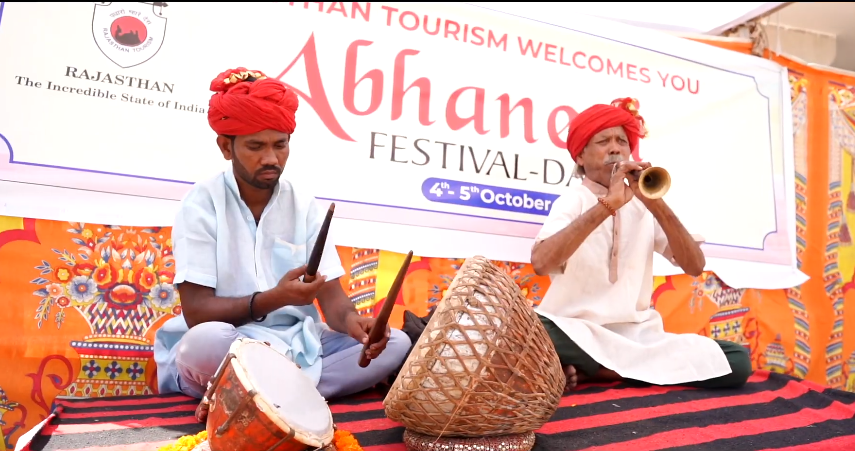
The Abhaneri Festival. Rajasthan Tourism has held a festival at the baori in some years, usually in autumn, with folk music and dance. It doesn’t run on fixed dates (and some years it hasn’t happened at all), so check before building a trip around it.
Food, guides and photos. There’s not much to eat in the village itself, so plan on the highway. A few guides hang around the gate; some are wonderful storytellers, but settle the price before you start walking. And if you’re into photography, a wide lens helps, while early morning or late afternoon light gives you those deep zigzag shadows the place is famous for. Midday sun just flattens everything.
So, Is It Worth the Detour?
If you’re driving to Jaipur anyway, it’s a no-brainer. You won’t spend more than an hour or two there. It isn’t a full-day destination and nobody should pretend otherwise. It is also less crowded than the big forts, so you can take photos without any rush. And looking down at a well that people made more than 1,000 years ago, without any machines, is something you will remember.
Our advice is simple. Start early, inform your driver in advance and spend some time at the railing.
Frequently Asked Questions
Where is Chand Baori located?
In Abhaneri village in Rajasthan’s Dausa district, about 90 km from Jaipur and a short drive from Bandikui.
How old is it?
It’s usually dated to the 8th or 9th century CE, so somewhere over a thousand years. The pavilion on one side came much later.
Can you go down to the water?
No. Tourists are not allowed to go down. You can see it from the top and from the galleries.
How long is the drive from Delhi?
It takes around 4 to 5 hours by car. It depends on traffic.
Can I visit Chand Baori with Jaipur or Agra?
Yes. You can visit it on the way from Delhi to Jaipur, or on the Agra to Jaipur day of a Golden Triangle tour.