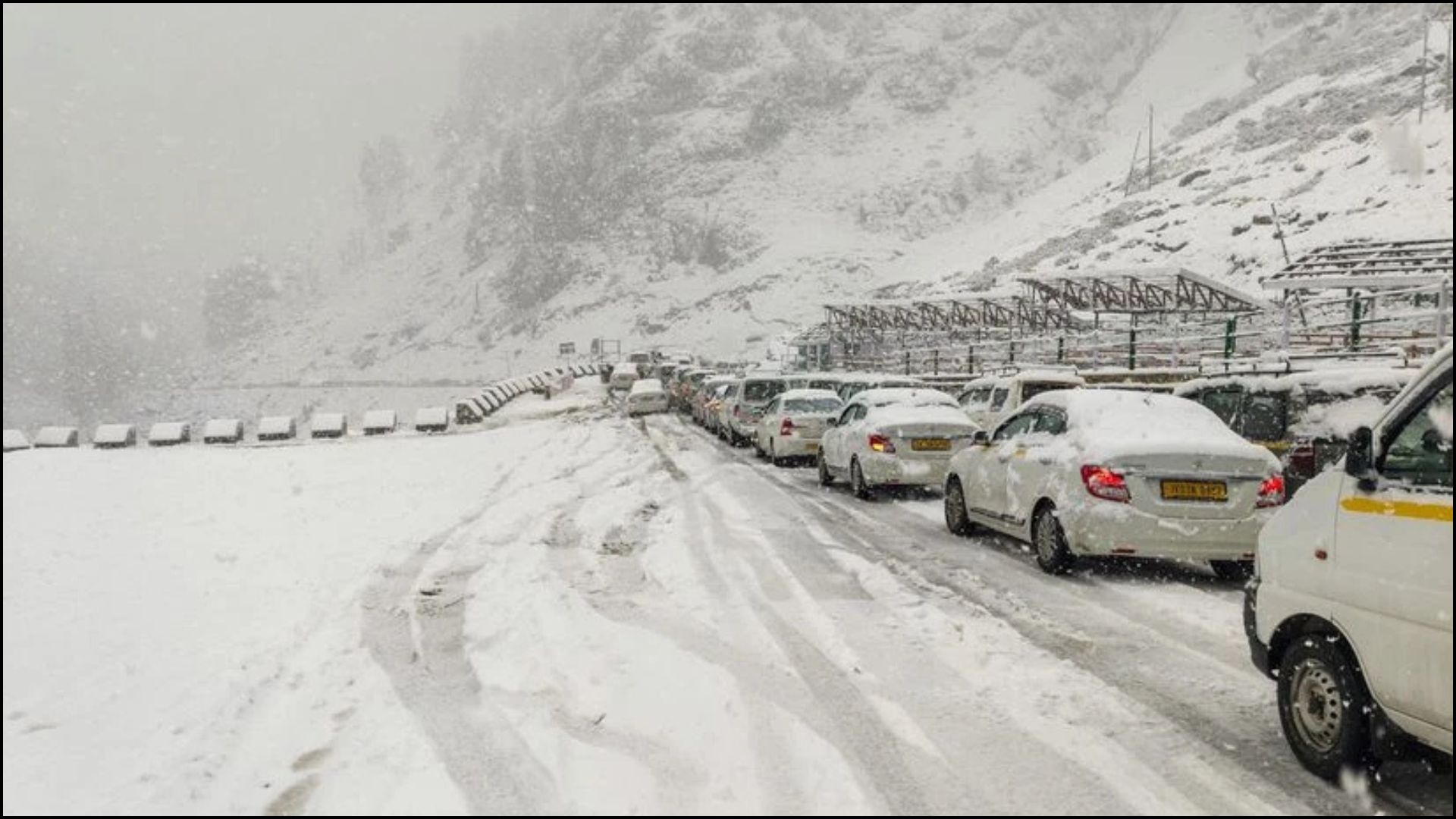


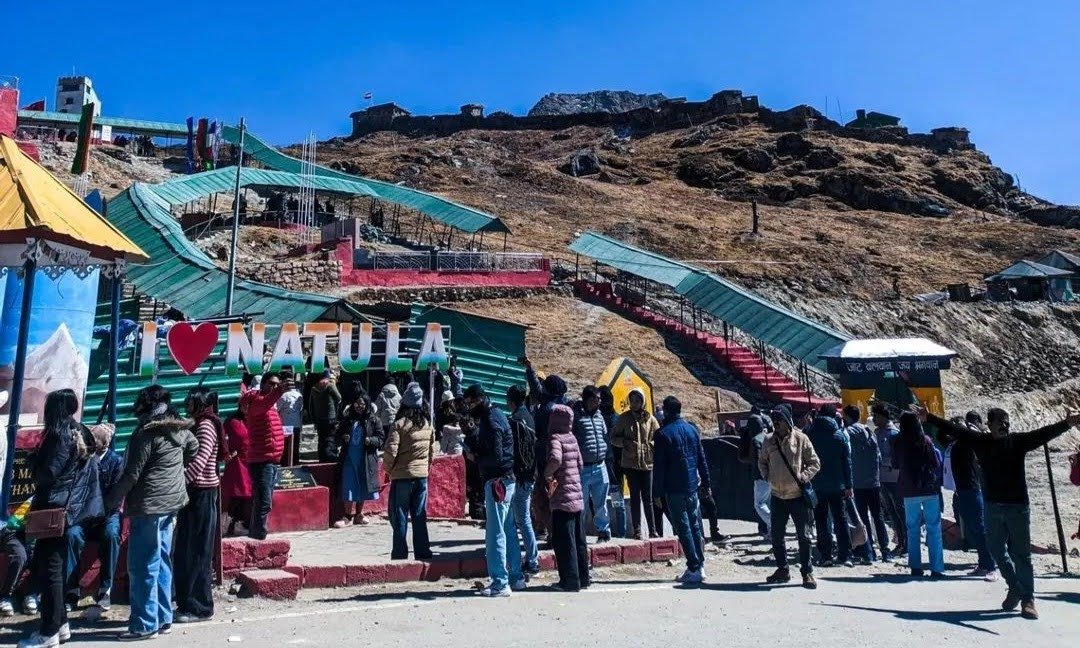
Standing at 14,140 feet above sea level is an amazing feeling. You can feel the cold Himalayan winds wrapping around you while you look right at the border between India and China. Many travel guides try to make the trip to East Sikkim sound perfect. They often describe it as an easy and beautiful drive. But what is the real truth? My road trip to Nathula Pass taught me a hard lesson. I had to deal with very strict military rules, sudden changes in the high mountain weather, and a very difficult permit system.
If you are making plans to follow the old Silk Route from Gangtok, you will need a lot more than just thick winter clothes. You really need exact and up-to-date travel plans that give you more details than normal guides. Here is the clear and honest truth about how to complete this trip without any problems. I am sharing this information based entirely on my own real experiences during my travel there.
The Reality of Securing a Nathula Pass Permit
The biggest mistake that many travelers make is thinking that Nathula Pass is open every single day of the week. This is not true at all. The pass is strictly closed to normal tourists on Mondays and Tuesdays. In addition to this rule, this border area is only open to people who are citizens of India.
Getting the travel permit is definitely the hardest part of the whole trip. The Indian Army has a very strict rule that allows only 200 normal tourist vehicles to get a permit each day. Because of this strict daily cap, it is highly recommended to consult a detailed breakdown of the current tourist permit fees and strict application guidelines to ensure your paperwork is flawless on the first try. Once the army gives out those 200 permits, they stop. After that limit is reached, no amount of money can help you pass through the police checking point at the 3rd Mile area.
Application Window
You are not allowed to apply for the permit by yourself. You must give a valid Indian ID proof, like a Voter ID card or a Passport. You also need to give two passport-sized photos to a travel agent who is officially registered in Sikkim. You have to submit all these things before 5:00 PM on the evening before your travel day.
The Weather Gamble
The army makes the final decision about your permit on the very morning of your trip. They check the weather first. If there is heavy snow or thick fog, they will say no to your permit. If this happens, you will lose the ₹4,000 to ₹5,000 that you paid for the application and agency fees, because this money is not refundable at all.
Foreign Travelers
If you have a passport from another country, the law says you cannot visit Nathula Pass. However, you can still get a different permit called a Protected Area Permit (PAP). This permit allows you to visit Tsomgo Lake and Baba Mandir. But you can only get this if you travel together in a group of two or more people.
For the people who read the travel and transport guides on briefvoy.com to plan their trips, you already know something very important. Having all your papers and documents perfectly ready is what makes the difference between having a very easy trip and being sent back home from a military checking gate.
The Gangtok to Nathula Route & Logistics Breakdown
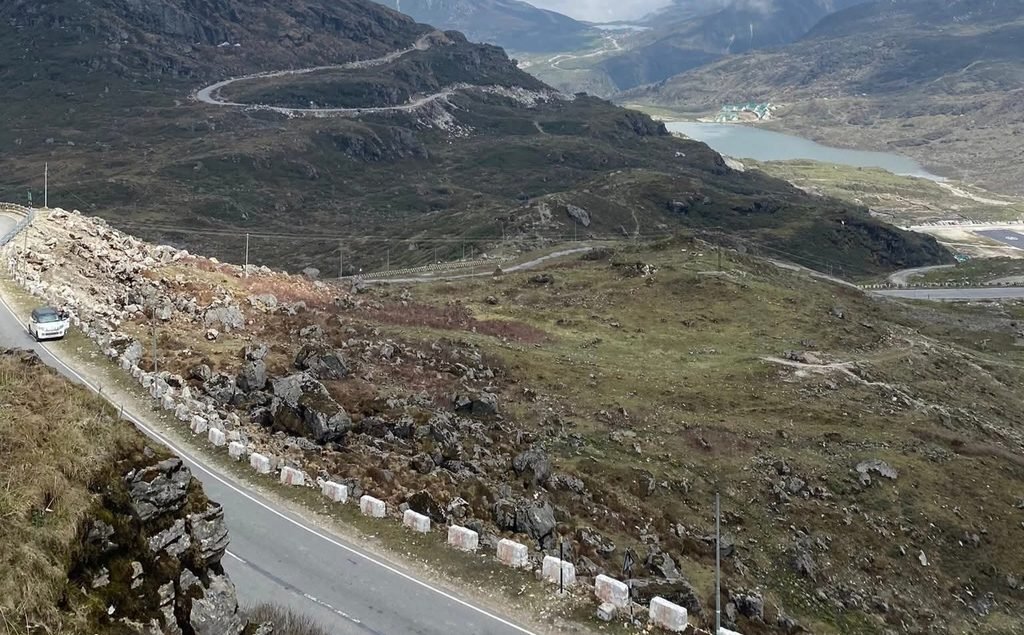
The driving distance from Gangtok to Nathula Pass is only 56 kilometers long. But, it takes about 2.5 to 3 hours to complete the drive. This long time is because the mountain roads go up very sharply, there is heavy traffic from army trucks, and the roads are very rough. You need to cross the 17th Mile checking point before the army closes the gates. To do this successfully, your car must start driving from the Vajra Stand in Gangtok by 7:30 AM at the very latest.
Discover the Hidden Gems of Sikkim
Explore peaceful mountain villages, scenic landscapes and unforgettable offbeat destinations.
Explore Sikkim Now →You absolutely must use a special local commercial tourist vehicle. You are not allowed to drive a rental car by yourself. You also cannot use normal bikes or scooters unless they have very powerful engines that are specially approved for these high roads.
| Vehicle Type | Estimated Fare (Round Trip) | Ideal For | Comfort Level on Steep Terrain |
| Shared Taxi (Mahindra Maxx/Bolero) | ₹1,000 – ₹1,200 per seat | Solo travelers, budget backpackers | Low (Cramped, bumpy ride) |
| Standard SUV (Scorpio/Bolero) | ₹4,500 – ₹5,000 | Families of 4-6 | Moderate to Good |
| Premium SUV (Innova Crysta) | ₹5,500 – ₹6,000 | Travelers prone to motion sickness | Excellent (Smoother suspension) |
Note: The prices mentioned in the table cover the cost of the driver, the car fuel, and the fees for getting the permit. However, these prices often go up very high during the busiest tourist months, which are April, May, October, and November.
Tsomgo Lake, Baba Mandir, and the Altitude Challenge
Every single driver who has good local experience will follow a very strict order of places to visit. They will always take you to Nathula Pass first. After that, they will take you to Baba Mandir. Finally, they will stop at Tsomgo Lake (also known as Changu Lake) while driving back down. If you try to change this order, you will definitely miss seeing the border. This is because the army starts sending all tourist cars away from Nathula Pass by 1:30 PM.
The sudden change in height is very hard on your body. You go up very fast from Gangtok, which is at 5,400 feet, all the way to Nathula Pass, which is at 14,140 feet. You do this whole climb in less than three hours.
Tsomgo Lake (12,310 ft)
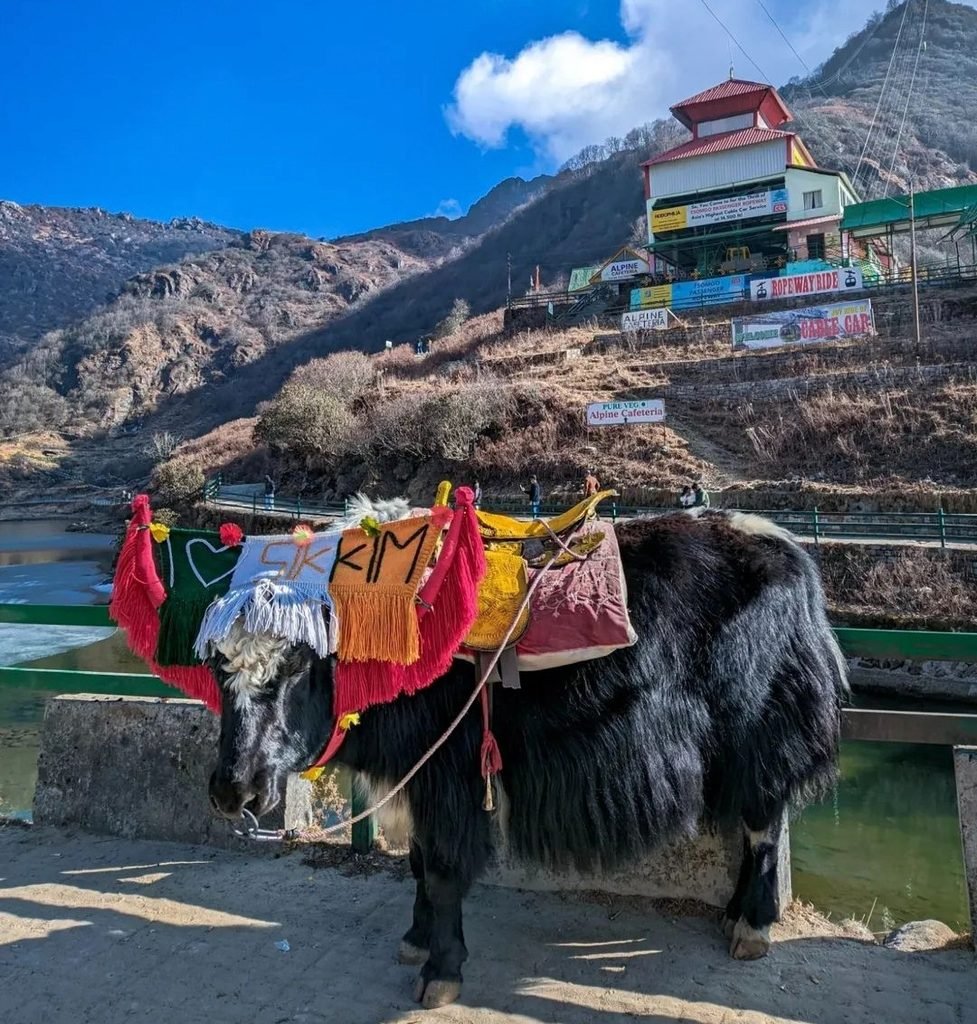
This is a huge lake made from melted glacier ice. The water changes its color depending on the time of the year. During the winter months, the lake freezes completely solid like ice. You need to be very careful about some local sellers here. They might push you very hard to buy oxygen cans at very high prices when you do not need them. If you feel worried about your breathing, it is much better to buy your own small oxygen spray from a medical shop in Gangtok for ₹500 before you start your trip.
New Baba Harbhajan Singh Mandir (13,123 ft)
This is a very special holy place built to honor a brave soldier from the Indian army. The military takes wonderful care of this place and keeps it very clean. They freely offer hot drinking water to everyone. They also give basic medical help to any tourists who feel sick because of the high mountain air (which is called Acute Mountain Sickness).
Essential Insider Tips for a Bulletproof Itinerary
You want to make sure that simple beginner mistakes do not ruin your big trip. Because of this, you should carefully remember these final travel facts before you start packing your bags:
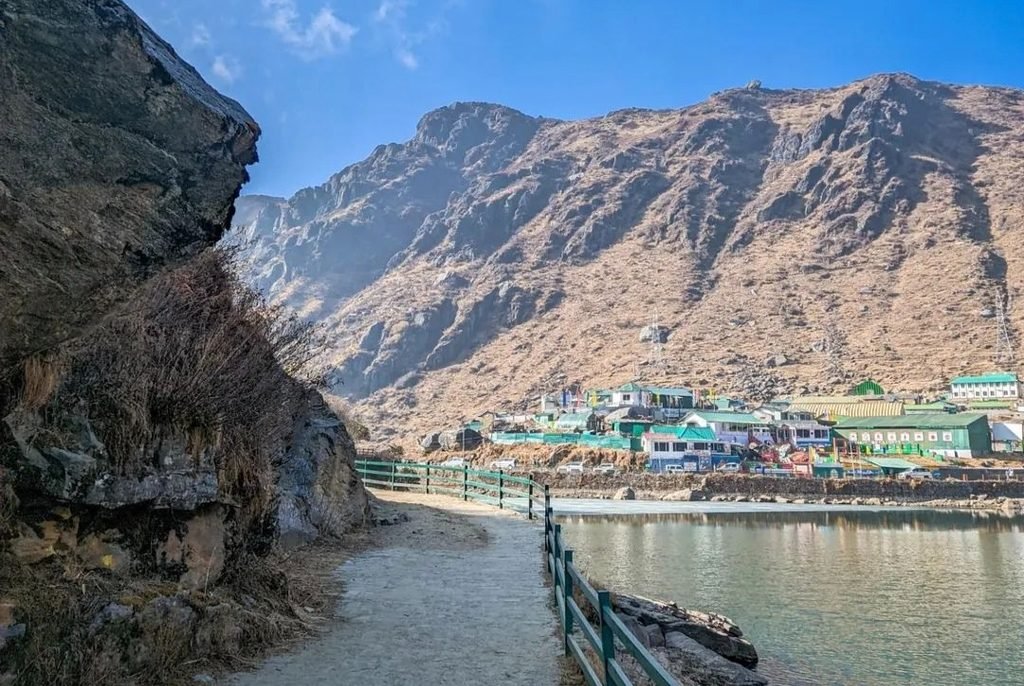
Acclimatization is Required
You must let your body get used to the mountain height. You should spend at least two full nights taking rest in Gangtok before you try to go on the Nathula trip. Make sure to drink a lot of water and try not to eat very heavy food the night before you travel.
Dress in Modular Layers
When it is 7:00 AM in Gangtok, you might feel only a little bit of cold air. But by 10:00 AM when you reach the top of the pass, the fast cold winds can make the temperature feel like it is much below freezing point. You should wear inner warm clothes, a soft warm jacket in the middle, and a very thick jacket on the outside that blocks the wind.
Cash is King
There are absolutely no ATM machines after you cross the 3rd Mile checking point. Also, mobile phone networks stop working completely when you get near the border. This means online payments like UPI, Apple Pay, and digital wallets will not work at all when you try to buy food near Tsomgo Lake. You must bring paper cash with you.
A road trip to Nathula Pass is very hard and tiring for your body. However, standing right next to the Indian Army soldiers at the very top of the world is a beautiful prize. This prize makes every single problem worth it. You just need to plan everything very carefully, respect the high mountain rules, and start your journey very early in the morning.
Share Your Travel Story With Us
Love travelling and exploring new places? Share your experiences, inspire fellow travellers and become part of the Bharat Bhraman Life community.
Write for Us Now →Author Bio: Bijoy Pal is a travel logistics specialist and the creator of brief voy. He shares raw, actionable transit guides and unvarnished advice to help explorers navigate complex global routes and travel smarter. (All Images creditd by Author)