


Gurez Valley stands as one of Kashmir’s most extraordinary yet least-known destinations, a pristine alpine paradise that remains virtually untouched by mass tourism and commercial development. Nestled in the northernmost region of Jammu and Kashmir at an elevation of 2,400 meters above sea level, this offbeat Kashmir destination has become increasingly appealing to conscious travelers seeking authentic experiences away from crowded tourist circuits. With its snow-capped Himalayan peaks, emerald meadows, crystal-clear Kishanganga River, and the warm hospitality of the indigenous Dard community, Gurez Valley represents everything a hidden paradise destination should be.
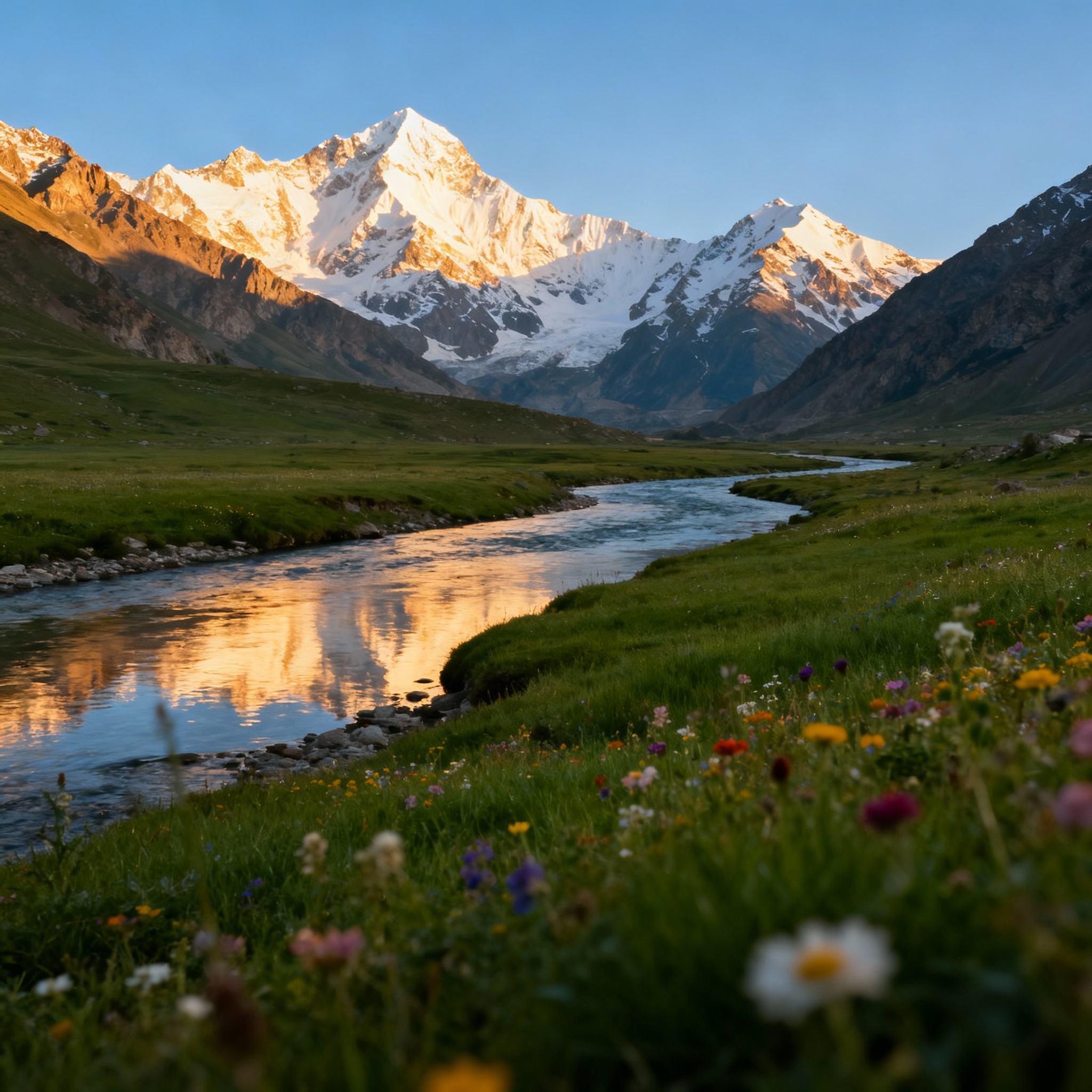
Gurez Valley’s stunning panoramic landscape with snow-capped peaks and lush meadows
Unlike the heavily visited tourist hubs of Kashmir such as Gulmarg and Pahalgam, Gurez Valley maintains its raw, untouched character making it the ultimate choice for travelers seeking crowdless travel, offbeat exploration, and authentic Kashmir experiences. The valley’s isolation is its greatest asset, offering a remote Himalayan retreat where time seems to move differently, and nature remains the primary entertainment.
Understanding Gurez Valley: Kashmir’s Best-Kept Secret
Gurez Valley, also known as Gurais, is a remote alpine valley located in the Bandipora District of Jammu and Kashmir, positioned approximately 86 kilometers from Bandipora and 123 kilometers from Srinagar. This lesser-known Kashmir treasure is inhabited by the Dard community, an ethnic group with ancestral ties to the Gilgit Valley region. The Dard people speak the Sheena language and have preserved their unique cultural traditions through generations, making Gurez a destination rich in authentic Kashmiri culture and mountain valley traditions.
The valley sits at an elevation where alpine meadows stretch endlessly, and the Kishanganga River winds gracefully through the landscape, creating a scene that feels more like an oil painting than reality. The region’s relative isolation being near the Line of Control (LOC) has kept it protected from overdevelopment and commercialization, preserving its character as one of Kashmir’s most unspoiled travel destinations.
Best Time to Visit Gurez Valley: Planning Your Perfect Getaway
Choosing the right time for your Gurez Valley expedition is crucial for maximizing your experience. The valley experiences dramatic seasonal variations, with each season offering distinct advantages and challenges.
Summer Season (June to Early September) remains the ideal time to visit Gurez Valley. During these months, the temperature ranges between 15°C to 25°C, creating perfect conditions for outdoor exploration. The meadows transform into a riot of colors with wildflowers blooming across the alpine landscape. Clear blue skies dominate most days, making it excellent for photography and trekking. The roads remain fully accessible, and all tourist facilities operate without interruption.
May and Early October serve as shoulder seasons with pleasant weather, fewer crowds than peak summer, and the valley still fully accessible. These months are perfect for travelers seeking crowd-free travel combined with favorable weather conditions.
Winter (December to March) sees the valley completely cut off due to heavy snowfall, with roads becoming impassable. However, for those seeking extreme isolation and snow-covered landscapes, helicopter services operate during this period, available from Srinagar until March 31st at approximately Rs. 3,000 per person.
How to Reach Gurez Valley: Your Complete Travel Route
By Road from Srinagar to Gurez Valley:
The road journey from Srinagar to Gurez covers approximately 123-140 kilometers and takes between 5 to 7 hours depending on weather conditions and road terrain. The route follows this scenic path:
Srinagar → Sumbal → Bandipora → Razdan Pass → Dawar (Gurez Valley)
The first leg from Srinagar to Bandipora (approximately 55 kilometers) takes 1.5 to 2 hours along a smooth, well-maintained national highway. This section provides views of Wular Lake, Kashmir’s largest lake, and the scenic Mansabal Lake, perfect for brief photography stops.
From Bandipora, the journey becomes more adventurous as it approaches the Razdan Pass, one of Kashmir’s most dramatic mountain gateways.
Crossing Razdan Pass: The Himalayan Gateway
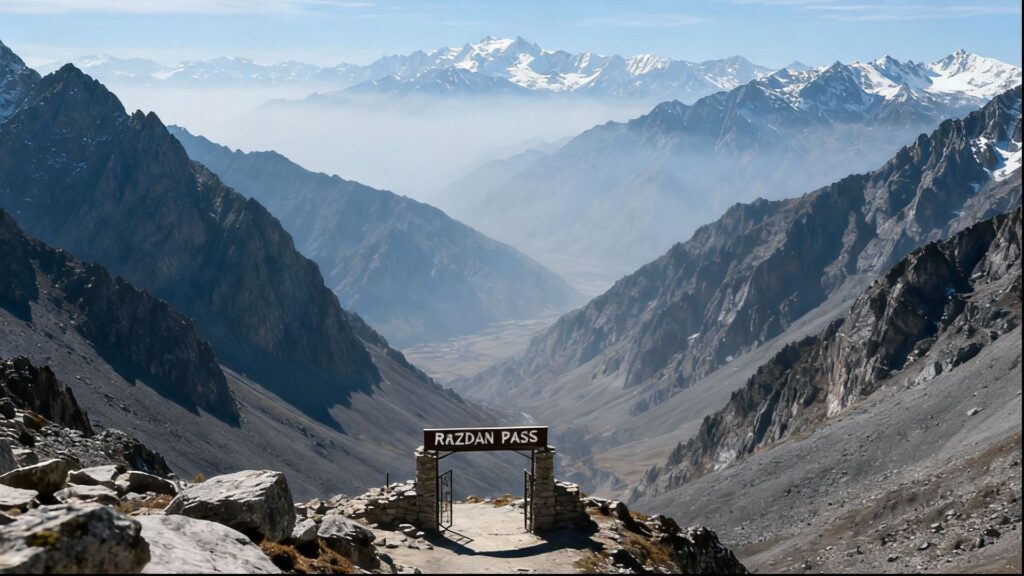
Razdan Pass, the dramatic mountain gateway to Gurez Valley at 11,700 feet elevation
The Razdan Pass, standing at an elevation of 11,672 feet (3,557 meters), represents the gateway between the Kashmir Valley and Gurez Valley. This section of the journey is genuinely thrilling, with narrow, winding roads offering panoramic vistas of snow-capped peaks, including views of the sacred Mount Harmukh. On clear days, you can also spot views toward K2, the world’s second-highest mountain.
The pass features several notable spots:
- Shae Batteh (White Stones): A fascinating location where white stones sparkle when rubbed together, creating a mesmerizing natural phenomenon.
- 360° Himalayan Views: On clear days, the pass offers incredible vistas of the Harmukh range, surrounding valleys, and the pristine Kishanganga River.
- Zetikus Zig-Zag Road: A series of dramatic switchbacks carved into the mountainside, providing thrilling driving experiences and Instagram-worthy viewpoints.
After crossing the Razdan Pass, the road descends with numerous twists and turns toward Dawar, the main town of Gurez Valley, finally arriving at your destination after the magnificent journey.
By Air and Road:
Flying to Srinagar from major Indian cities like Delhi, Mumbai, Bangalore, Kolkata, or Goa is the fastest option. From Srinagar International Airport, the 125-kilometer journey to Gurez Valley takes approximately 4 hours by taxi or rental vehicle. Cabs are readily available outside the airport for this journey.
By Helicopter (Winter Option):
During winter months (until March 31st), helicopter services connect Srinagar directly to Gurez, with booking available at TRC Srinagar airport. This option is ideal for those traveling during winter when roads are impassable due to snow.
The Crowdless Paradise: Why Gurez Valley Remains Untouched
What makes Gurez Valley truly special is its status as a crowdless destination and offbeat paradise. Unlike Gulmarg, Pahalgam, and Srinagar, which experience significant tourist footfall year-round, Gurez Valley remains remarkably peaceful throughout the year. The valley attracts fewer than a fraction of the tourists who visit popular Kashmir destinations, making it perfect for those seeking serene Himalayan experiences and peaceful nature retreats.
The valley’s remoteness and limited accessibility have become its defining feature. With minimal internet connectivity, basic cellular signals in only certain areas, and limited commercial establishments, Gurez offers a genuine opportunity to disconnect from modern life and reconnect with nature. This isolation creates an atmosphere of complete tranquility where the only sounds are mountain winds, flowing rivers, and bird calls.
The region maintains its authenticity precisely because it hasn’t been transformed by mass tourism. You’ll encounter traditional mud and wooden houses, see locals engaged in traditional occupations, and experience a lifestyle that has remained largely unchanged for generations. This preservation of traditional mountain life makes every moment in Gurez feel like a genuine cultural immersion experience rather than a curated tourist attraction.
Gastronomic Journey: Culinary Delights of Gurez Valley
Authentic Gurez Valley Kashmiri cuisine with traditional dishes and local flavors
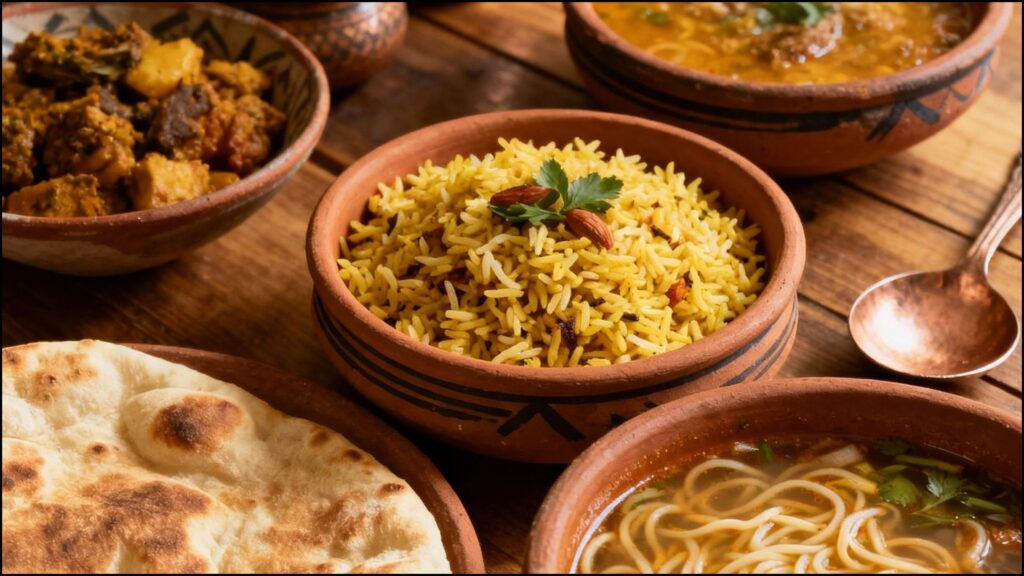
The food of Gurez Valley represents a unique fusion of Kashmiri cuisine influenced by the Dard community’s ancestral traditions and Central Asian culinary heritage. The region’s cold climate necessitates hearty, high-energy foods, resulting in rich, flavorful dishes that reflect generations of mountain living.
Must-Try Traditional Dishes:
Sheermal represents the quintessential breakfast experience in Gurez Valley. This sweet bread, prepared with flour, sugar, milk, and aromatic saffron, features a rich, dense texture with subtle sweetness. Traditionally enjoyed with hot chai, sheermal embodies the region’s culinary traditions and serves as the perfect introduction to Gurez’s food culture.
Gurezi Pulao stands as the valley’s signature rice dish. This traditional preparation combines fragrant basmati rice with mixed vegetables, aromatic spices, and optionally mutton or chicken, slow-cooked to allow flavors to meld beautifully. The result is a wholesome, satisfying meal that represents comfort food in its truest form.
Thukpa offers warming comfort, especially during cool mountain evenings. This noodle soup features wheat or barley noodles, fresh vegetables, and sometimes meat, flavored with local spices and herbs that create a unique, unforgettable taste profile.
Nadur Yakhni showcases the region’s sophisticated vegetable preparations. Made with lotus stems (nadur) cooked in a creamy, yogurt-based gravy infused with fennel, ginger, and asafoetida, this delicately spiced dish represents special occasion cuisine.
Sheer Chai (Noon Chai/Pink Tea) serves as the iconic beverage of Gurez Valley. This traditional salted tea, brewed with special tea leaves, milk, salt, and baking soda to achieve its characteristic pink hue, offers a unique flavor profile combining savory and slightly bitter notes an essential Kashmiri experience.
Kashmiri Kebab features succulent grilled meat marinated in local spices, offering an authentic taste of regional flavors.
Kashmiri Pulao (vegetarian option) provides an aromatic rice dish cooked with dried fruits, nuts, and saffron.
Dining in Gurez Valley:
Accommodation options in Gurez, particularly homestays and guesthouses, prepare most meals using locally sourced ingredients. The hosts often take special care to serve authentic local cuisine. Many homestays allow guests to cook their own meals if preferred, and some offer interactive cooking experiences where visitors learn traditional preparation methods directly from local families. Due to the valley’s remoteness, dining options remain limited compared to urban centers, but this limitation ensures the authenticity of culinary experiences.
Trekking and Adventure Activities: Exploring the Wilderness
Gurez Valley offers exceptional opportunities for trekking in Kashmir and mountain adventures that cater to various fitness levels.
Habba Khatoon Trek (2 Days)
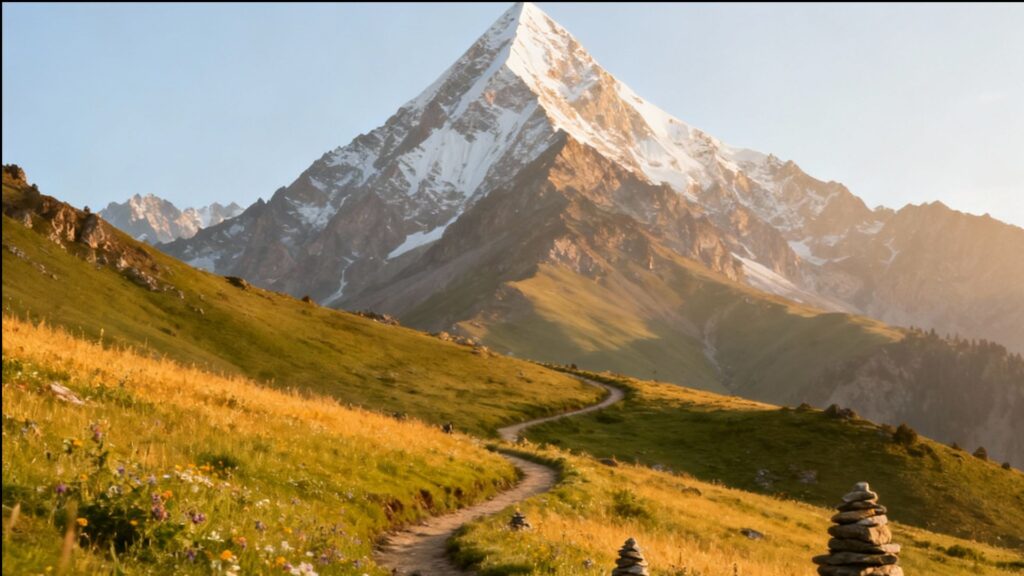
Habba Khatoon Peak, the iconic pyramid-shaped mountain in Gurez Valley
This moderate-difficulty trek follows a rich historical and cultural narrative. Named after the renowned Kashmiri poet Habba Khatoon, this pyramid-shaped peak trek passes through lush green meadows and charming shepherd villages. The trek begins from Dawar and leads to the summit, offering extraordinary panoramic views of the surrounding valley. According to local folklore, Habba Khatoon was a gifted poet who faced mistreatment from her family due to her devotion to poetry and singing, eventually earning legendary status in Kashmiri literature. The trek honors this cultural heritage while providing outstanding natural beauty.
Tulail Valley Trek (3-4 Days)
Tulail Valley’s untouched wilderness and remote alpine villages in northern Kashmir
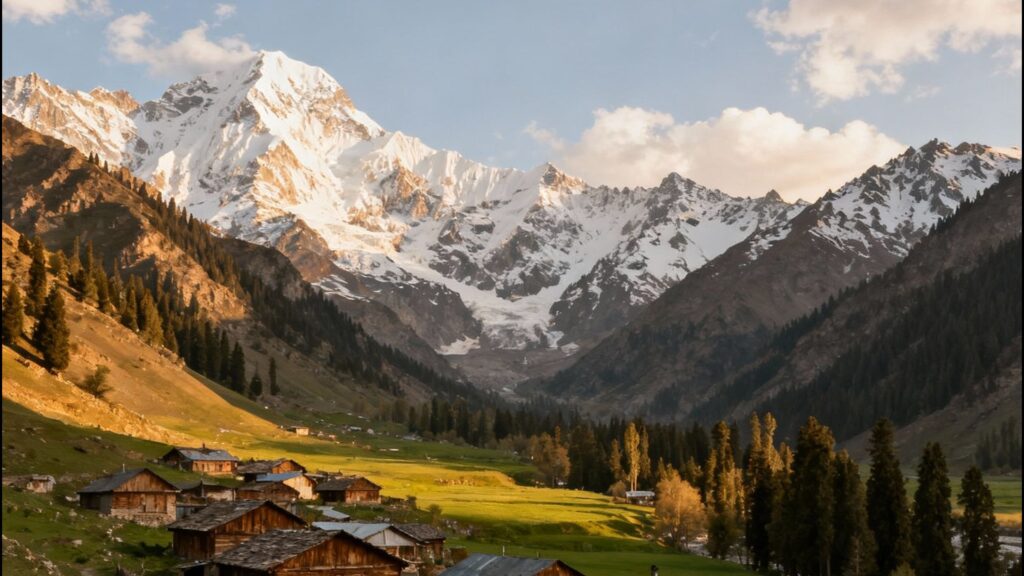
Considered one of Kashmir’s most remote trekking routes, the Tulail Valley expedition represents a serious adventure for experienced trekkers. This challenging trek connects Gurez to Sonamarg through the challenging Margan Top, passing through untouched wilderness featuring dense forests, alpine meadows, pristine lakes, and dramatic mountain passes. Tulail Valley itself remains virtually untouched by tourism, offering genuine solitude and raw natural beauty.
Razdan Pass Trek
Starting from Bandipora and ascending through magnificent landscapes, this trek culminates at the Razdan Pass (11,672 feet), offering some of Kashmir’s most spectacular panoramic vistas. The journey passes through alpine meadows, pine forests, and mountain passes, each with its own distinctive character.
Additional Adventure Activities:
Beyond trekking, the valley offers river rafting in the Kishanganga River, camping under star-filled skies, pony riding through meadows, and fishing in pristine mountain streams. These family-friendly activities remain available at affordable rates, making adventure accessible to varied experience levels.
Important Trekking Note: Hiring local guides is strongly recommended for all trekking routes. These experienced guides possess intimate knowledge of terrain, cultural insights, and essential safety expertise that significantly enhance the trekking experience.
Accommodation Options: Where to Stay in Gurez Valley
Gurez Valley offers diverse accommodation options catering to different preferences and budgets, each providing unique experiences of mountain hospitality.
Luxury Resorts:
The Gurez Valley Resort represents the valley’s premium accommodation option, offering modern amenities while maintaining scenic mountain views. These resorts facilitate trekking, fishing, and cultural tours, providing comfortable bases for exploration.
Authentic Homestays:
Homestays form the heart of Gurez Valley accommodation. These family-run establishments, such as the Timber Trail Cottage, provide authentic cultural immersion. With rooms featuring traditional charm combined with modern comforts (hot water, heating, attached bathrooms), homestays offer genuine local experiences. Many include beautiful gardens and provide opportunities to engage in local activities. Hosts prepare delicious local meals with special attention to both vegetarian and non-vegetarian preferences, often allowing guests to cook their own meals if desired.
Budget Guesthouses:
Simple yet cozy guesthouses like The Gurez Inn in Dawar provide basic facilities (heating, hot water, attached bathrooms) at affordable rates. These establishments serve authentic local cuisine prepared with local ingredients, offering quality accommodation without excessive expense.
Glamping (Luxury Camping):
Well-furnished luxury tents with comfortable bedding, proper lighting, and sometimes private bathrooms provide a unique camping-hotel hybrid experience. These camps often position themselves along popular trekking trails with access to local guides.
Recommended Homestays and Guesthouses:
- Wooden Hut (budget-friendly wooden homestay)
- Pine Tree (deluxe guest rooms)
- Shah’s (deluxe, standard, and dormitory options)
- Afsara Hotel and Restaurant (surrounded by pine trees with exceptional views)
Booking accommodation in advance, especially during peak season (June-August), is essential due to limited options. The homestay experience directly benefits local communities, contributing meaningfully to the region’s economy.
Attractions and Must-Visit Spots in Gurez Valley
Habba Khatoon Peak
Named after Kashmir’s legendary poet, this pyramid-shaped peak stands as Gurez Valley’s most iconic landmark. Besides the trekking opportunity, visiting the peak area allows appreciation of the mountain’s cultural significance and extraordinary panoramic views.
Kishanganga River
This pristine mountain river winds through the valley, creating perfect settings for riverside picnics, photography sessions, and fishing excursions. The river’s crystal-clear waters reflect surrounding mountains and forests, creating scenes of exceptional natural beauty.
Dawar Bazaar
The main township of Gurez Valley, Dawar, offers glimpses of local life, traditional wooden architecture, and small bazaar activities where local produce and handicrafts are traded.
Tulail Valley
Situated beyond Gurez, Tulail Valley represents the epitome of untouched wilderness. This extremely remote destination features virgin alpine meadows, gushing mountain streams, and charming hamlets where traditional lifestyles continue unchanged. The journey itself becomes an adventure through winding roads and high mountain passes.
Razdan Pass Viewpoints
The pass itself offers multiple viewpoint locations providing 360-degree Himalayan vistas. Specific spots like “Shae Batteh” (white stones) provide unique natural phenomena and exceptional photograph opportunities.
Habba Khatoon Spring
This natural spring near the peak offers fresh mountain water and serene settings for brief rest during trekking expeditions.
Line of Control (LoC) Tourism
The proximity to the international border adds a unique dimension to Gurez tourism. Visitors can observe the LoC from designated viewpoints with military personnel assistance. This perspective offers sobering insights into geopolitical realities while the surrounding landscape remains strikingly beautiful.
Maximizing Your Crowdless Experience: Pro Tips for Gurez Valley Visitors
Best Time for Minimal Crowds: May and early October offer exceptional experiences with favorable weather and fewer tourists than peak summer months. June to August witnesses higher tourist activity, though still remaining dramatically less crowded than other Kashmir destinations.
Solo Travel Safety: Gurez Valley proves exceptionally safe for solo travelers. The welcoming Dard community, army presence near the LoC, and the valley’s peaceful nature create ideal conditions for independent exploration. However, carrying valid identification is essential due to proximity to the international border.
Internet and Connectivity: Expect limited mobile connectivity and minimal internet availability. This limitation, while challenging for those requiring constant connectivity, enhances the authentic experience for many visitors. Consider this when planning important communications.
Permit Requirements: Check current permit requirements with local authorities, as regulations may vary. The proximity to the LoC means some border restrictions apply, particularly for foreign nationals.
Photography Ethics: While Gurez Valley offers spectacular photography opportunities, always seek permission before photographing locals or their homes, respecting cultural sensitivities and personal dignity.
Slow Travel Approach: Embrace the valley’s unhurried pace. Rather than rushing through predetermined attractions, allow flexibility for spontaneous interactions with locals, unexpected discoveries, and genuine moments of natural immersion.
Frequently Asked Questions: Essential Information for Travelers
Q: What is the best time to visit Gurez Valley?
A: Summer months from June to early September offer ideal weather (15-25°C), blooming meadows, and full accessibility. May and early October provide excellent alternatives with fewer crowds.
Q: How long should I stay in Gurez Valley?
A: A minimum 3-4 day stay allows proper exploration of main attractions and acclimatization to high altitude. Longer stays (5-7 days) permit leisurely paced experiences and trekking expeditions.
Q: Is Gurez Valley safe for solo travelers?
A: Yes, Gurez Valley remains exceptionally safe for solo travelers, particularly women travelers. The Dard community is welcoming, and the region experiences minimal crime. Army presence near the LoC also contributes to security.
Q: What are the accommodation costs in Gurez Valley?
A: Homestays typically cost Rs. 1,500-3,000 per night, guesthouses Rs. 1,000-2,500, and luxury resorts Rs. 4,000-7,000 or more. Budget camping options start from Rs. 500-1,000 per night.
Q: Can I visit Gurez Valley in winter?
A: While roads remain closed due to snow from December to March, helicopter services operate until March 31st. Winter visits offer dramatic snow-covered landscapes but require helicopter arrangements and higher costs.
Q: What activities are available in Gurez Valley?
A: Trekking, river rafting, camping, pony riding, fishing, photography, cultural tours, and village exploration represent primary activities. Adventure activities remain available year-round depending on weather conditions.
Q: Do I need permits to visit Gurez Valley?
A: Check current regulations with local authorities, as proximity to the LoC may require permits, particularly for foreign nationals. Indian nationals typically face fewer restrictions.
Q: What is the altitude of Gurez Valley?
A: Gurez Valley sits at approximately 2,400 meters (7,874 feet) above sea level. Higher trekking routes like Razdan Pass reach 11,672 feet, which may cause altitude-related challenges for some visitors.
Q: How many days should I plan for trekking to Habba Khatoon Peak?
A: The Habba Khatoon trek typically requires 2 days, covering moderate distances with manageable altitude gain. The experience depends on fitness level and acclimatization.
Q: What is the main language spoken in Gurez Valley?
A: The Dard community speaks Sheena language, though Kashmiri and Hindi are also understood. English speakers are uncommon, making local guides particularly valuable.
Q: Are there medical facilities in Gurez Valley?
A: Medical facilities remain basic. The nearest comprehensive hospital is in Bandipora. It’s advisable to carry essential medications and inform your accommodation of any medical conditions.
Q: Can I visit Tulail Valley as a day trip?
A: While possible, Tulail Valley’s remote location and winding roads make full exploration difficult as a day trip. A minimum 2-3 day expedition proves more practical.
Q: What documentation do I need to carry?
A: Valid identification (passport for foreign nationals, national ID for Indian citizens) is essential due to LoC proximity. Carry copies separately from originals.
Conclusion: Embrace the Hidden Paradise
Gurez Valley Kashmir represents more than just a travel destination it embodies a philosophy of conscious exploration that prioritizes authenticity, environmental respect, and genuine cultural connection. In an era of Instagram-famous tourist hotspots and commercialized experiences, Gurez Valley remains refreshingly real, offering travelers the rare gift of genuine solitude combined with extraordinary natural beauty.
This hidden paradise continues to escape mainstream travel consciousness, which preserves its character and ensures that future generations will experience it as a place where pristine mountains meet untouched valleys, where time moves differently, and where the authentic mountain spirit of Kashmir thrives undisturbed. Whether you’re trekking beneath Himalayan peaks, savoring traditional Kashmiri cuisine, or simply sitting by the Kishanganga River watching light play across alpine meadows, Gurez Valley promises experiences that transform travelers into storytellers.
The valley awaits those brave enough to venture beyond well-worn paths, ready to reveal secrets that no one talks about not because they’re hidden, but because some experiences are too precious to transform into mainstream tourist attractions.